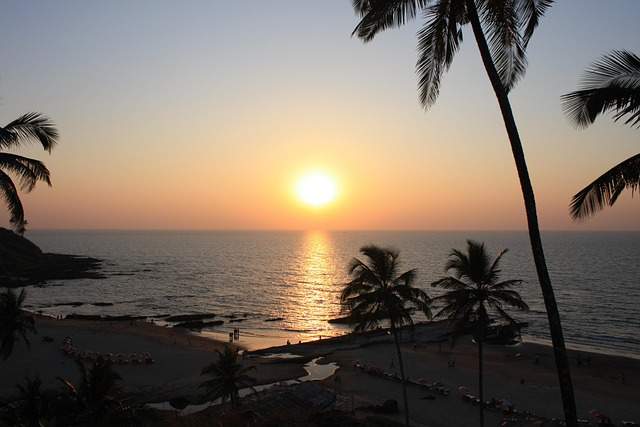
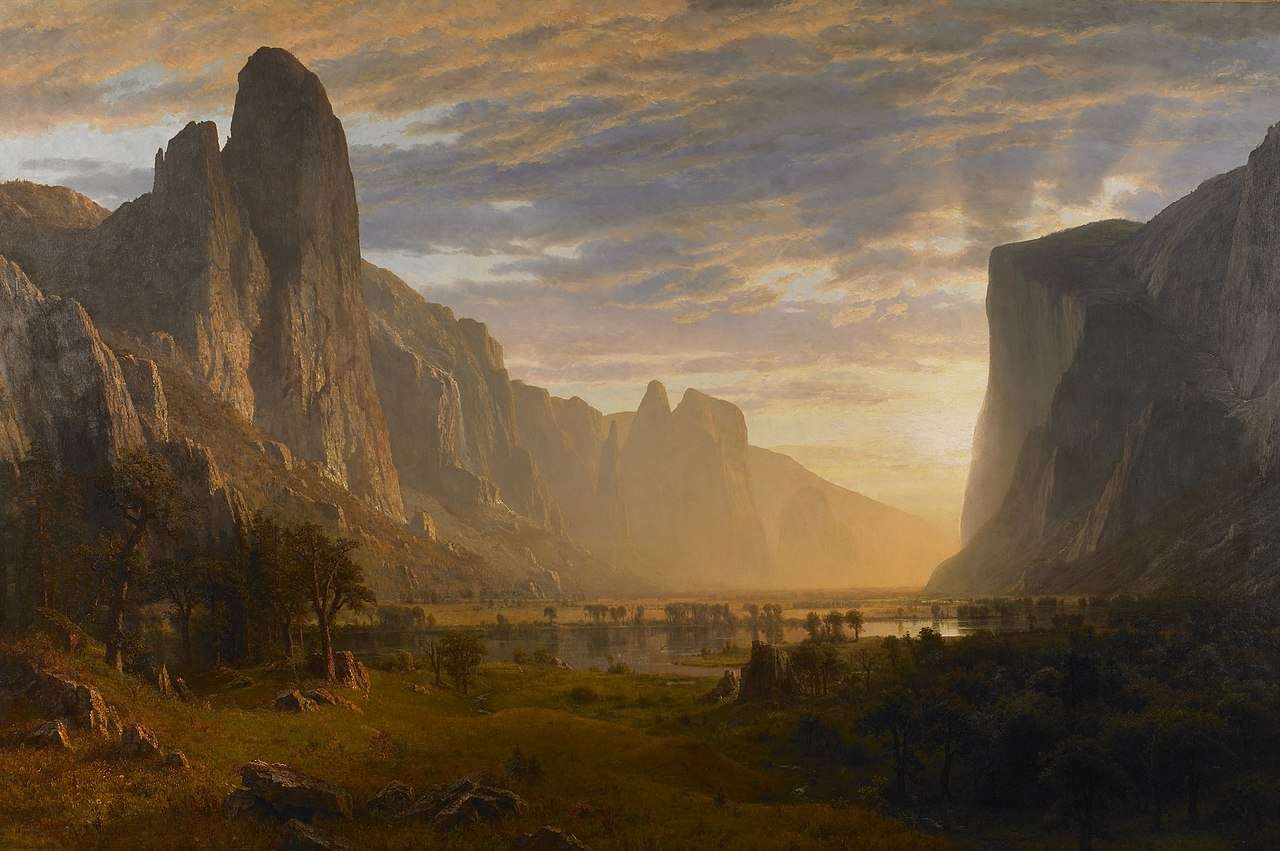
California’s outdoors has a certain reputation. Big granite. Bigger trees. Desert silence that feels almost too quiet. And, if we’re being honest, a few logistics that can catch you off guard if you show up expecting a simple “drive in, preventing nothing, wing it” kind of trip.
This guide is meant to help you plan the practical side of seeing California’s wild places without flattening the magic out of it. It also connects back to the main pillar—because if you’re here, you’re probably still circling that larger question of
what is California known for, and nature is a huge piece of the answer.
California’s “wild places” in plain English
When people say “California national parks,” they usually mean Yosemite, Joshua Tree, Death Valley, Sequoia, and maybe Redwoods. Fair. But the state’s public lands are layered: national parks, national monuments, national seashores, national recreation areas, state parks, national forests, wilderness areas, and BLM land.
That overlap is part of why planning can feel a little fuzzy at first. Redwood, for example, is a partnership between the National Park Service and California State Parks. And coastal hikes near San Francisco can sit inside Golden Gate National Recreation Area, which is its own kind of park unit, not a “national park” in the iconic sense.
If you want an official starting point for what’s administered by the National Park Service in the state, the NPS maintains a statewide list of sites and park units. It’s surprisingly useful when you’re trying to connect dots across a road trip.
California national parks: the nine, plus the “bonus” NPS sites
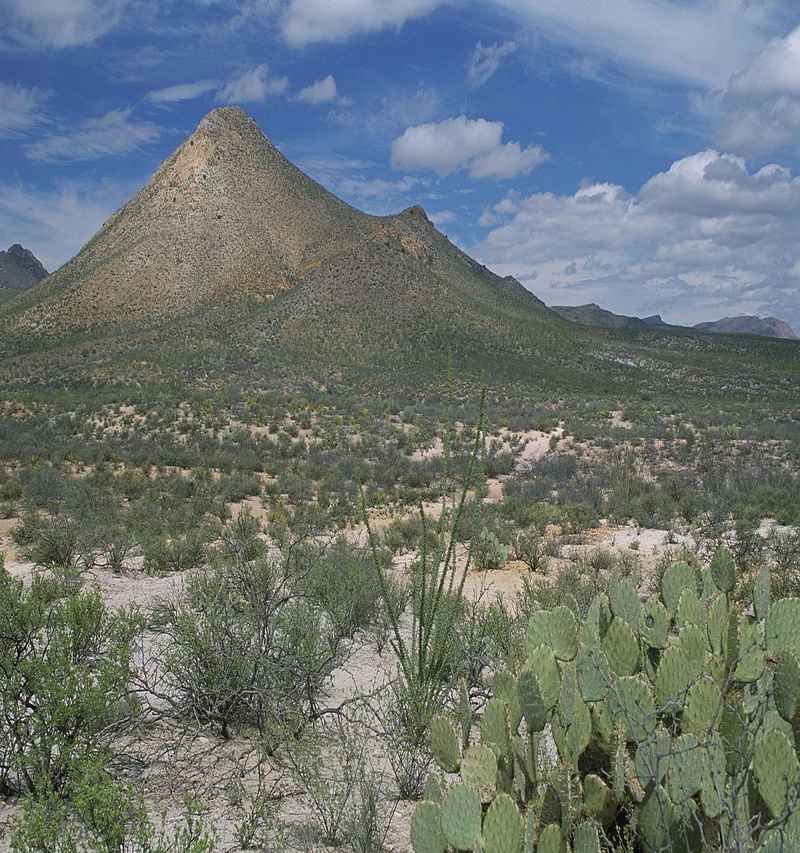
California has nine national parks, and that alone is a good reason people keep coming back. But it’s the “bonus” places—national seashores, monuments, historic sites—that often become the unexpected favorites, especially on family trips when you want shorter walks and less pressure.
The nine national parks (quick orientation)
- Yosemite: waterfalls, granite, iconic viewpoints, high-country lakes.
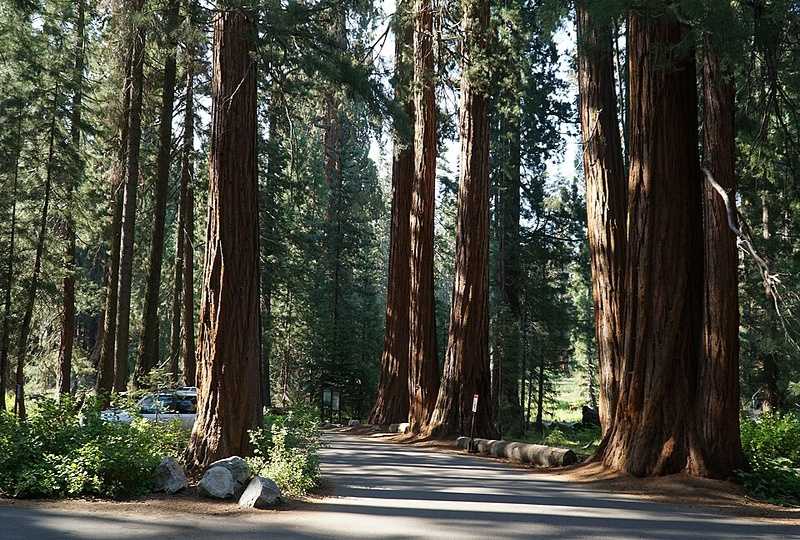
- Sequoia and Kings Canyon: giant sequoias, deep canyon scenery, alpine trailheads.
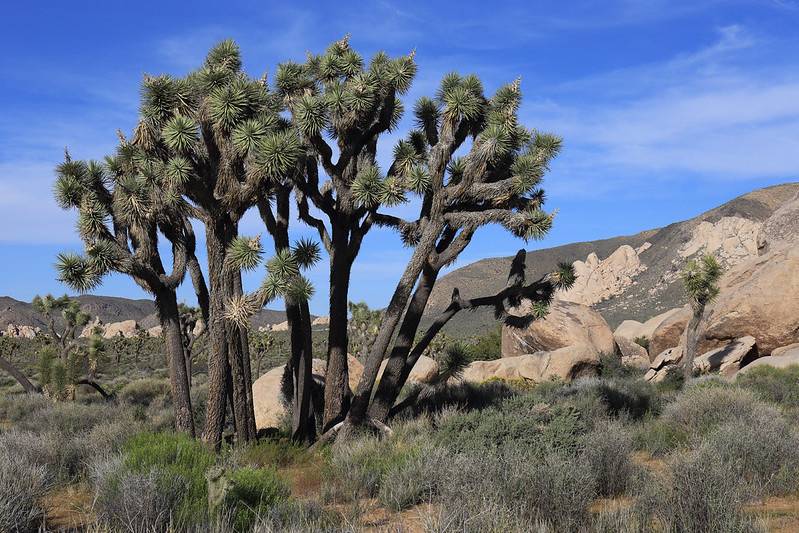
- Joshua Tree: desert ecosystems, boulders, stargazing.
- Death Valley: extremes, salt flats, dunes, winter is the sweet spot.
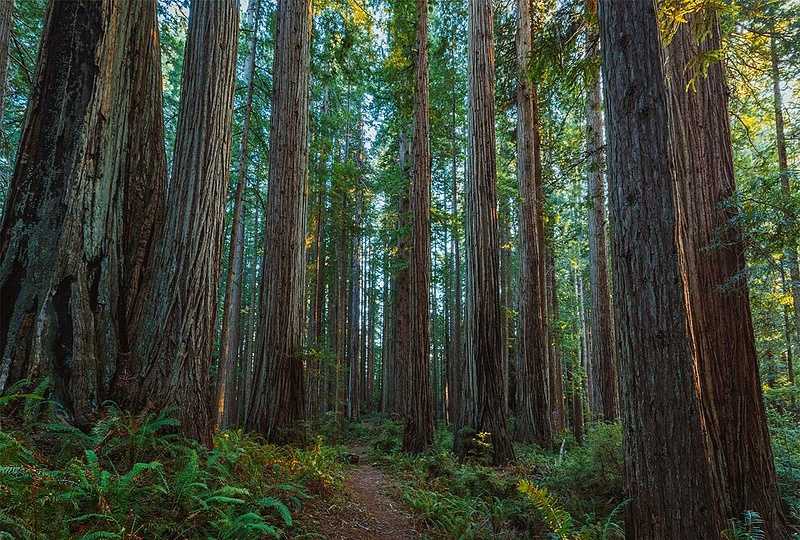
- Redwood: coast redwoods, foggy trails, wild coastline.
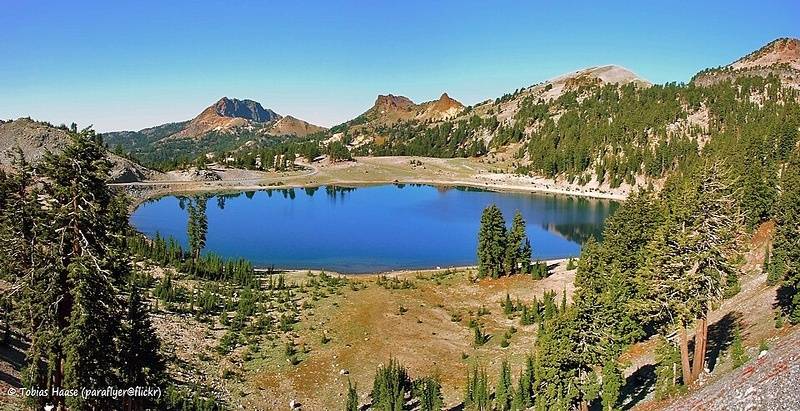
- Lassen Volcanic: hydrothermal areas and volcanic landscapes (with seasonal road access).
- Pinnacles: talus caves, condors, spring hiking.
- Channel Islands: boat ride required; rugged, windy, pristine.
For an itinerary approach that mixes “big names” with the underrated stops, keep an eye on our upcoming California Itineraries. It’s designed for real travel days, not just dream maps.
Seasons: when “California weather” is not one thing
California’s wild places don’t share a single calendar. You can be in chilly coastal fog in the morning and in dry inland heat by afternoon. Even within one park, conditions swing—Yosemite Valley can be mild while the high country is still snowed in.
Spring (March–May): green hills, big water, and a little unpredictability
Spring is when California looks like it’s showing off. Waterfalls are often strongest, desert blooms can be surreal, and temperatures are generally kinder for hiking. The tradeoff is variability—late storms happen, roads can still be closed at elevation, and some trail access is simply not ready yet.
Summer (June–August): peak access, peak crowds
Summer is when the Sierra opens up and families flood in. It’s also when you’ll care most about parking, timed entry policies, and booking campsites earlier than feels reasonable. Heat becomes a real safety issue in the desert parks.
If you’re trying to pick the “least painful” window for your style of travel, the Best Time to Visit California guide breaks it down by region and activity. It’s the kind of thing that saves you from packing the wrong jacket… or none at all.
Fall (September–November): shoulder season magic
Fall is, quietly, one of the best times for national parks here. Crowds thin out, nights get cooler, and you can still access a lot of the Sierra before snow resets the board. It’s not perfect—wildfire smoke can affect plans some years—but the overall experience is often calmer.
Winter (December–February): desert prime time, mountain weather rules
Winter is when Death Valley and Joshua Tree feel most hike-friendly, and when Channel Islands can be moody and windswept (in a good way, if you like that). In the mountains, chains, closures, and storm timing matter. This is the season where flexibility stops being a nice idea and becomes the plan.
Permits and reservations: what to expect (without overcomplicating it)
A small confession: permits are the part most people dread. But once you understand the categories, it stops feeling like an obstacle course and starts feeling like a system that’s trying—imperfectly, sure—to protect fragile places and keep experiences sane.
Entrance fees vs. entrance reservations
Entrance fees are common in national parks. Entrance reservations are a separate thing—used when demand gets too high for roads and parking. Some parks use them seasonally or for certain corridors or peak hours.
Yosemite is the poster child for how these policies can change over time. Before you go, check the park’s official planning page for current rules, including any entrance reservation requirements and how they interact with lodging or campground bookings.
Camping reservations
If you want developed campgrounds (toilets, bear lockers, sometimes potable water), assume you’ll need a reservation for the most popular areas in peak season. Even when there are first-come options, they can disappear early—sometimes shockingly early.
A lot of California campground inventory runs through Recreation.gov, especially for federal lands. Create an account ahead of time, store your payment info, and be ready to move fast on release days. That sounds dramatic, but it’s also… accurate.
Wilderness permits (backpacking)
Wilderness permits are for overnight travel in the backcountry—where there are no designated campsites, no water spigots, and no restrooms. In the Sierra, this often means quotas for trailheads, plus rules around food storage, camping zones, and sometimes campfire restrictions.
Some Sierra wilderness permits are issued through Recreation.gov as well. If your route crosses boundaries between a national forest and a national park, pay attention to which agency issues the permit and what rules apply as you travel across jurisdictions.
Day-use permits and special hikes
Certain famous hikes and experiences have their own permit systems. Half Dome is the classic example, but not the only one. The principle is the same: if a place is iconic and fragile, it may require an additional step beyond the entrance gate.
How to plan routes that feel good (not just impressive)
There’s a style of California trip that looks great on paper and feels awful in real life: too many regions, too many hours in the car, too many “just one more stop” decisions. This state rewards a slower approach. Or, at least, a slightly humbler one.
A simple rule: choose one “anchor park,” then add nearby wild places
Pick a main park that fits the season, then build out. Yosemite pairs naturally with Sequoia and Kings Canyon, for example, but only if you accept that they aren’t “next door.” Joshua Tree and Death Valley can pair, but desert driving time is real and services can be sparse. Channel Islands is a trip of its own in many ways—boat schedules and wind decide the pace.
Let geography reduce stress
If you’re already doing a coastal stretch, layering in Redwoods or Point Reyes can be more relaxing than trying to force Yosemite into the same week. Similarly, if you’re in Southern California, it might be smarter to lean into Joshua Tree and the Santa Monica Mountains than to chase the Sierra in a short window.
This is where it helps to zoom out to the pillar again—because “what is California known for” isn’t just iconic places, it’s the way those places sit in totally different climates and ecosystems, sometimes only a day’s drive apart.
Park-by-park planning notes (the stuff people wish they’d known)
Yosemite: timing is everything
Yosemite has the kind of scenery that makes people forget to eat lunch. But it also has parking bottlenecks, seasonal road access, and popular trailheads that feel crowded fast. Arriving early helps. Visiting midweek helps. And if you can travel in shoulder season, it can feel like an entirely different park.
If you’re hoping for big viewpoints and classic stops, consider mixing iconic moments (Tunnel View, Glacier Point when open, valley walks) with quieter edges. Even a simple picnic away from the busiest lots can reset your day.
Sequoia and Kings Canyon: big trees, big elevation changes
Giant sequoias are… grounding. That’s the word that keeps coming up. But remember these parks have mountain roads and winter impacts that can affect access. In shoulder seasons, check for chain requirements and road closures before committing to a drive.
Joshua Tree: desert beauty, desert rules
Joshua Tree is approachable—you can do short hikes, rock scramble a bit, and still feel like you had a full day. But heat is non-negotiable. In warmer months, plan sunrise or sunset walks, carry more water than you think you need, and don’t count on cell service as a safety net.
Death Valley: respect the extremes
Death Valley can feel otherworldly. It can also be dangerous if you treat it casually. Winter is the easiest season for most visitors. If you’re traveling in warmer months, scale back hikes, avoid midday exposure, and keep your fuel situation conservative.
Redwood: where the air feels different
Redwoods are not just tall—they change the mood of a trip. Fog, ferny trails, coastal overlooks, quiet. It’s also a place where layering is practical; temperatures can be cool even when inland areas are warm.
Channel Islands: plan around boats and wind
Channel Islands National Park is a commitment in the best way. Ferries, sea conditions, and limited services mean you plan ahead, pack carefully, and accept that nature sets the rhythm. If your family likes the idea of “adventure with boundaries,” this is a strong choice.
Lassen Volcanic and Pinnacles: underrated, and that’s a compliment
Lassen’s hydrothermal features and volcanic terrain can feel like a smaller, calmer cousin to better-known parks, with its own personality. Pinnacles shines in cooler months and spring, especially for hiking and wildlife viewing. These parks are sometimes easier to love because they’re not fighting the same volume of visitors.
Wildfire, heat, and safety: staying calm and prepared
It’s tempting to skip this section, but it’s part of modern California travel. Wildfires can lead to closures and smoke. Heat can turn an easy hike into a risky one. And in the Sierra, storms and snow can surprise people who assumed “California equals sunshine.”
- Build flexibility into your plan. A backup day in a coastal town or a museum day in a city can save a trip.
- Check official alerts the day before and the morning of. Conditions change quickly.
- Pack layers. Coastal fog and mountain evenings can feel cold, even in summer.
- Be water-forward. In desert parks, “enough” water is usually more than you packed.
- Respect closures. They’re rarely arbitrary, and the consequences are real.
For a food-focused backup plan (because sometimes smoke or weather reroutes you), the California Food and Wine Itineraries guide can help you pivot without feeling like you “lost” the trip.
Sample trip shapes (not rigid itineraries)
Three-day “first taste” of the Sierra
- Day 1: Arrive late afternoon, short valley walk, early night.
- Day 2: One iconic viewpoint + one quieter trail + picnic.
- Day 3: Sequoia grove visit or a scenic drive, then exit before evening traffic.
One week: desert + coastal reset
- 3 nights: Joshua Tree (sunrise hikes, stargazing, short drives).
- 1–2 nights: desert-to-coast transition town (rest, good meals, laundry—yes, really).
- 2–3 nights: coastal trails and beaches, with time for foggy mornings.
Ten days: “big icons” with breathing room
- Yosemite + Sequoia/Kings Canyon combo, then a coastal swing north or south depending on flights.
- Add one “bonus” NPS site for variety (Point Reyes, Golden Gate, or a historic site), not another massive drive day.
FAQs: California national parks and wild places
Do you need reservations for California national parks?
Sometimes. Entrance fees are common, but entrance reservations can apply on specific dates or seasons in high-demand parks. Always confirm with the official park website close to your travel dates, especially for Yosemite-style peak periods.
How far in advance should you plan?
For summer lodging and popular campgrounds, planning months ahead is normal. For shoulder season trips, you can often plan later, but it’s still worth checking campsite releases and any seasonal road openings early.
Which park is best for families?
Yosemite is unforgettable, but it can be intense in summer. Joshua Tree is very “doable” with shorter hikes. Sequoia feels magical for kids because it’s so physical—you’re literally walking among enormous living things.
Is it worth visiting “non-national-park” wild places?
Absolutely. California’s state parks, national forests, and coastal recreation areas often deliver the same wow factor with less competition for parking. Sometimes the best day of the trip is the one that wasn’t on the original checklist.
If you’re building a broader trip and want the bigger picture (culture, cities, food, and why the state is such a magnet), head back to the pillar on what is California known for and use this guide as your outdoor planning companion.