Things to Do in Goa: Beaches, Backwaters, Food and Local Life
Goa is one of those places that shows up in your imagination before you’ve even been there: swaying palm trees, turquoise water, the faint hum of music from a beach shack, and the smell of salt and seafood drifting through the evening air. When you start to think about what things to do in Goa are actually worth your time, the list can feel… a bit chaotic. The obvious beach days are easy, but beyond the shoreline there’s architecture, wildlife, spice farms, little villages, and quiet river stretches that most tours never really show you.
This isn’t just a checklist of “top activities.” It’s closer to what you’d get if you sat down with someone who’s spent a few seasons in the state and asked, “What would you actually do, if you had a week here and wanted everything to feel real, not just Instagrammable?”
Where things to do in Goa begin…
First, a confession: a lot of people “do Goa” in ways that don’t really fit who they are. It’s easy to be swept into the same rhythm—beach, drinks, beach, music, repeat—because that’s the easiest version to market. But Goa is also a small state with a long memory; it’s Portuguese‑influenced, Catholic‑heavy, Hindu‑rooted, and very much living, not just decorative.
If you start with that in mind, the “things to do in Goa” list naturally splits into a few layers:
-
Beach‑anchored life – sun, sea, shacks, and water sports.
-
History and heritage – churches, forts, old towns, colonial quarters.
-
Nature and wildlife – backwaters, mangroves, forests, waterfalls.
-
Food, culture, and local life – markets, taverns, villages, homestays.
Depending on your energy, you can lean into one or two of these and still feel like you’ve seen a lot. The key is to treat Goa less like a checklist and more like a rhythm: sleep, eat, wander, sit down, let the sea run through you.
Beach days that aren’t just tanning and scrolling
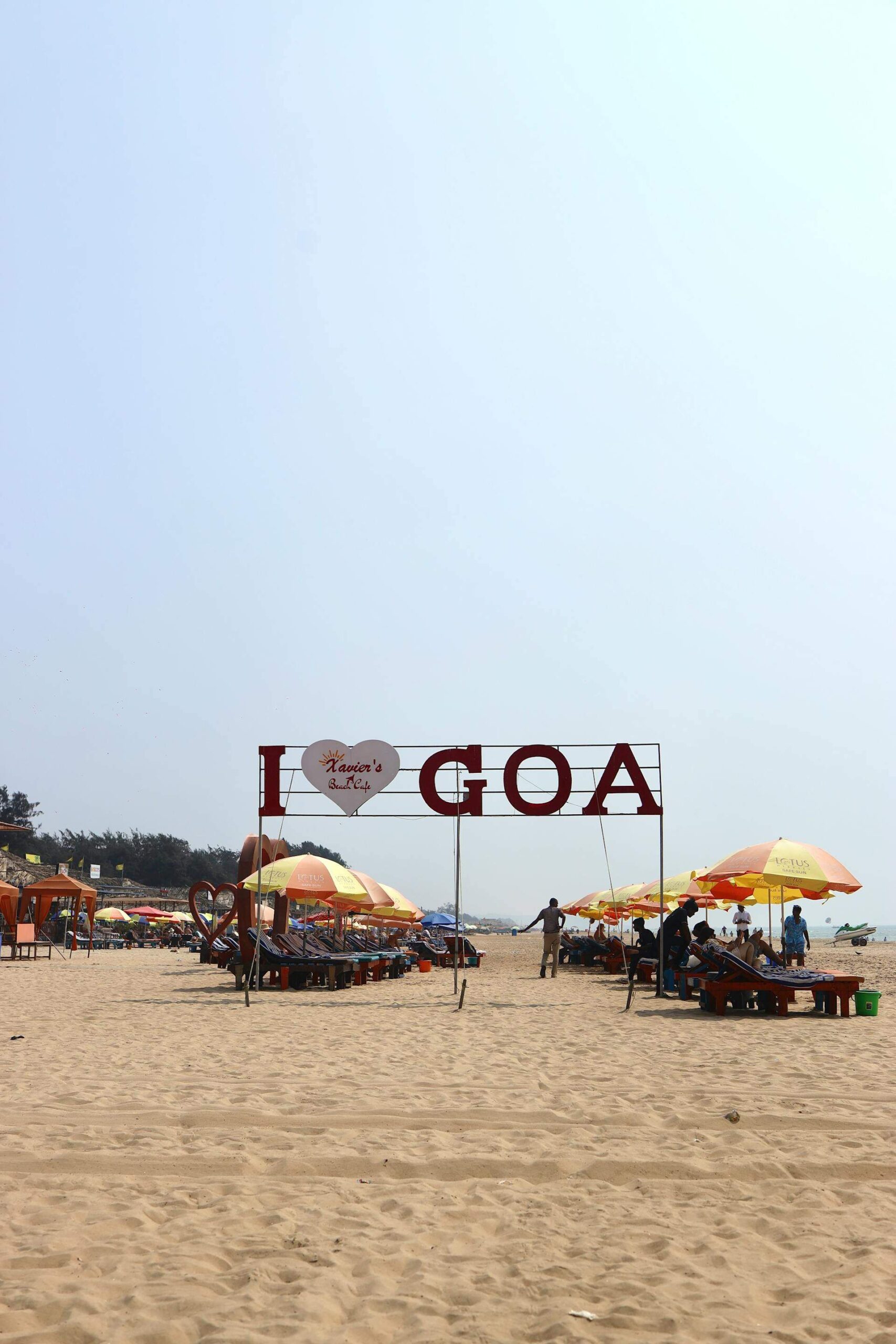
Chances are, the first thing almost everyone thinks of when they ask “What to do in Goa?” is beach‑hopping: Calangute, Baga, Anjuna, Vagator, Morjim, Palolem, and the long stretch of South Goa coastline. And honestly, that’s not wrong; the coast is still the heart of the experience. The real question isn’t whether you should go to the beaches, but how you go.
North Goa: lived‑in, loud, and a little messy
North Goa tends to feel louder, cheaper, more chaotic—but also more “lived‑in.” Think Baga, Calangute, Candolim, Anjuna, Arambol, and the stretch around Vagator and Chapora. These beaches are where the main party spine runs, and where you’ll find the densest rows of shacks, music stages, and long‑time return visitors.
What you can do here:
-
Rent a sunbed, then wander beyond the main strip
Sitting on a rented sunbed is fine, but the real texture of a North Goa beach is in the side‑beaches and little coves. From Calangute or Candolim, walk a few hundred meters past the main cluster of shacks and the water often feels calmer, the noise dips, and you start seeing more locals and families than backpackers. -
Swim when the tide is gentle
Learn the tide timetable. Swimming at low tide is usually safer and more comfortable, especially for beginners or those with kids. The waves are smaller, the current less intense, and the walk out to deeper water feels more relaxed. -
Chat with shack owners and cooks
Many of the shacks here are family‑run operations that have been going for a decade or more. The guy roasting prawns or the woman bringing out plates of fish curry often know exactly what came out of the sea that morning. Ask them what’s freshest, what’s “not too spicy,” or what dish they themselves would order if they hadn’t eaten it every day. -
Catch a sunset near Chapora Fort (Dil Chahta Hai viewpoint)
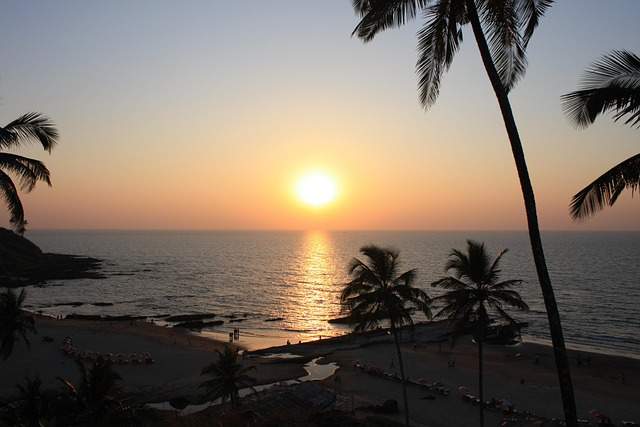
The fort itself is unimpressive as a monument, but the viewpoint above it—one made famous by the film Dil Chahta Hai—is one of the most photogenic places on the Goan coast. Late afternoon, before the pre‑party crowd arrives, is the best time: the sun paints the sea gold, the cliffs turn orange, and the beach looks like a long, lazy comma at the edge of the world. -
Do a short version of the “beach‑hopping day”
Instead of trying to tick off five beaches in one day, pick two or three along a logical stretch. For example:-
Calangute → Candolim → Sinquerim (a quieter stretch with fewer crowds).
-
Anjuna → Vagator → Chapora Cliffs (more relaxed, slightly more “hippie‑vibe” than the party strip).
-
Walk, bike, or drive along the inland road and then cut down to the beach when you feel like it. This gives you the rhythm of a day without the feeling that you’re just rushing from one photo spot to another.
South Goa: slower, subtler, and savored
South Goa is where the pace changes. Palolem, Agonda, Colva, Cavelossim, Benaulim, and Mobor all feel more deliberate, more grown‑up, and less “party‑central things to do in Goa.” The sand is just as soft, the water just as blue, but the vibe is softer: fewer shacks, more discreet bars, and a slower pace of conversation.
What you can do here:
-
Limit yourself to one or two beaches per day
In the South, it’s quality‑over‑quantity. A full day at Palolem can mean a long morning swim, a lazy beach‑side lunch, a short nap, and an evening stroll along the headlands. The same rhythm works at Agonda or Colva. -
Notice how the rhythm of the day shifts
Days in the South tend to lengthen and blur. You might wake up late, have a long coffee, then wander down to the beach with no clear plan. Time feels looser here; there’s less pressure to “see something new” every hour. -
Sit at the water’s edge with a drink and just… exist
One of the most honest things to do in Goa is nothing at all. Order a Kingfisher or a local beer at a low‑key shack, sit close enough that your toes almost touch the water, and let the heat, the sound of the waves, and the faint chatter of other visitors wash over you. -
Try one water‑sports activity instead of a full “beach‑day checklist”
South Goa has the same water sports as the North—parasailing, jet skiing, banana boats—but the difference is that you can choose to treat them as a light, optional layer on top of a relaxed day, rather than the main event. Once you’ve done parasailing once, you’re not likely to feel missing something if you don’t do it again next time.
Quiet beach‑esque alternatives
If you want the “beach feeling” without the crowds, you can also:
-
Visit smaller coves and village beaches
Between the big names you’ll find quieter stretches:-
Agonda – a long, relaxed beach with fewer shacks and a more local‑tourist mix.
-
Hollant (near Arambol) – a tucked‑away cove where you can sit almost alone even in peak season.
-
Majorda (South Goa) – a stretch that used to be a quieter counterpart to Colva and still feels more residential than resort‑like.
-
-
Do a “beach‑plus‑village” loop
Rent a scooter or book a tuk‑tuk, drive to the beach in the morning, then pedal into the nearby village for lunch and an afternoon walk through lanes lined with tiled houses and bougainvillea.
This approach aligns perfectly with what most people secretly want from a Goa trip: a mix of sun, a little sea, and enough quiet that you can actually notice what’s around you.
History, churches, and forts that don’t feel like a museum tour
If you ask someone what things to do in Goa “beyond the beach” are, many will point you straight to Old Goa, the forts, and the churches. And they’re right; it’s a legitimately interesting part of the story. Goa spent over 450 years under Portuguese rule, and that legacy is still visible in the architecture, the language snippets, and the way people move through their devotional spaces.
Old Goa: a quiet echo of a louder past
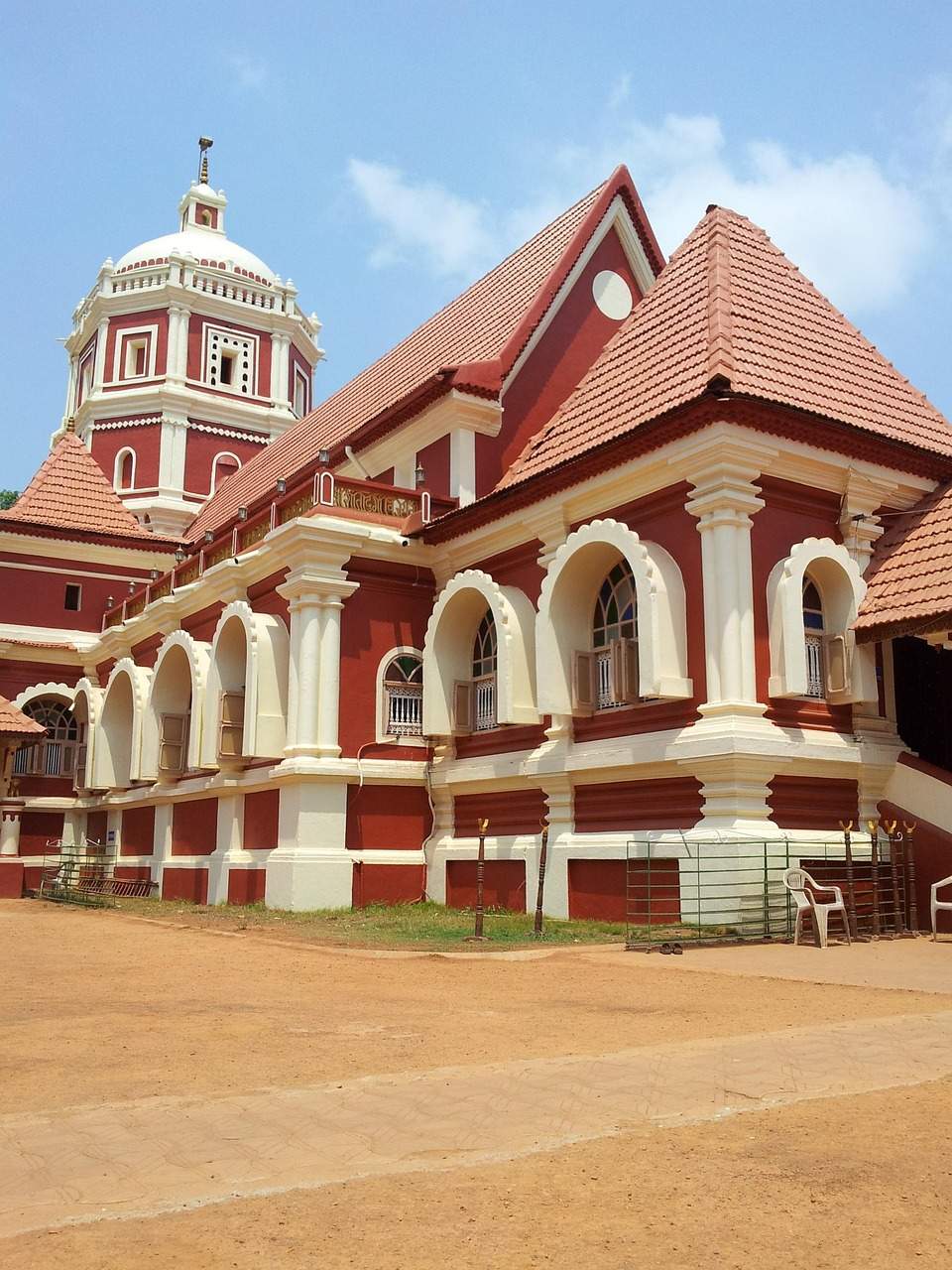
Old Goa was the capital of Portuguese India, and today it’s a cluster of churches and monuments that feel more like a gently decaying showpiece than a bustling town. The highlight is the Basilica of Bom Jesus, where the body of St. Francis Xavier lies in a silver casket. The basilica is imposing, built of heavy stone, and its interior is a mix of solemn silence and tourism noise.
Other nearby religious structures include:
-
Se Cathedral – one of Asia’s largest churches, with a blend of grand proportions and candle‑lit altars.
-
Church of St. Cajetan – modeled on Rome’s St. Peter’s, with a rounded façade and quieter lanes outside.
What this feels like in practice:
-
More contemplative than celebratory. Even on busy days, there’s a sense of age and stillness. You can easily spend half a day here, moving slowly from one church to the next, without feeling rushed.
-
A good opportunity to step away from the beaches for a few hours and get some context for the Catholic‑heavy side of Goan culture.
If you like this kind of atmosphere, you can also:
-
Take a short walking loop around the old town, pausing at the Archaeological Museum and the ruins of the Royal Palace.
-
Visit in the late afternoon when the light softens and the crowds thin, and the buildings feel more like objects you can quietly observe than exhibits you must photograph.
Islands and quieter heritage pockets
If you’re interested in the quieter, less‑visited bits of Goan history, two islands are worth a short side‑trip: Chorão Island and Divar Island. Both sit in the Mandovi River and are reachable by short ferry rides from Panjim and nearby villages.
-
Chorão Island
-
Home to the Salim Ali Bird Sanctuary and patches of mangrove forest.
-
Also has a few old churches and colonial‑era houses, giving you a glimpse of village‑style Portuguese architecture without the full‑on Old Goa feel.
-
A boat ride through the mangrove channels here is a soft kind of nature immersion: you see egrets, kingfishers, and sometimes even a crab or monitor lizard climbing the roots.
-
-
Divar Island
-
A small, sleepy island with winding lanes, tiled houses, and a relaxed pace.
-
Feels like stepping into a slightly older version of Goa, where people still talk in the village square and the local church is the heart of the community.
-
These islands are ideal if you want “things to do in Goa” that feel both historical and low‑intensity—a ferry ride, a short walk, and maybe a coffee at a small village café.
Forts: the slow, coastal backdrop
Forts are another easy, slightly romantic “thing to do in Goa.” They’re rarely as dramatic as you might imagine, but they pair well with a beach day and a long view of the sea.
-
Fort Aguada and its lighthouse
-
Located between Candolim and Sinquerim, this fort sits on a headland and offers clean sea views.
-
The structure itself is relatively simple, but the walk up and along the ramparts is a good way to stretch your legs and get a clear sense of the coastline.
-
The old Aguada lighthouse adds a bit of nautical charm, and you can usually see farmland and palm trees sloping down toward the beach.
-
-
Reis Magos Fort
-
A smaller, quieter fort near Panjim, with restored structures and a small museum.
-
Useful if you want to combine a short cultural stop with a short drive or ferry ride across the Mandovi.
-
-
Cabo de Rama (South Goa)
-
A small fort perched on a cliff edge, with a decent view and fewer crowds.
-
Doesn’t require a long hike or a strenuous climb, but it does feel more remote and a little more dramatic than the North Goa forts.
-
These forts are best treated as slow, scenic pauses in your day rather than intensive sightseeing. You stroll, take a few photos, and then let the view do the rest of the work.
Nature, rivers, and wildlife that aren’t just “safari‑lite”
When you move beyond the coast, Goa’s other side comes into view—green, wet, and a bit wilder. These are things to do in Goa that feel more like “experiences” than tick‑boxes.
Backwaters and mangroves: slow, reflective travel
A river cruise on the Mandovi is almost mandatory if you’re in the Panjim area. These cruises usually run in the evening, when the city lights come on and the river takes on a slightly mystical glow. You see the old bridges, the occasional passing boat, and the skyline of Panjim from a different angle.
For a more intimate experience:
-
Mangrove boat rides
-
Around the Salim Ali Bird Sanctuary and nearby channels, small boats take you through narrow, winding waterways flanked by mangrove trees.
-
Guides often point out different species of birds—egrets, kingfishers, herons—and explain how mangroves hold the shoreline together and support coastal life.
-
This is a quieter, more meditative kind of sightseeing: you’re not racing from one attraction to the next, just drifting and noticing.
-
-
Sunset or early‑morning river walks
-
Along the banks of the Mandovi or the Zuari, you can walk or bike at a relaxed pace, watching boats putter by and locals go about their day.
-
These river‑side walks feel like a reset, especially if you’ve been in the sun all day.
-
Dudhsagar Falls: the “must‑do” that depends on you
Dudhsagar Falls is one of those classic things to do in Goa that people either love or quietly resent, depending on the crowd, the hike, and the season. The falls themselves are dramatic: a wide cascade plunging through the Western Ghats, surrounded by forest and mist.
However, the experience has changed over the years:
-
The forest department often limits access or requires permits, especially during the monsoon and early post‑monsoon months.
-
You may have to take a jeep safari or a short train‑backed ride through the forest, which can feel like a long, bumpy, expensive detour if you’re not in the mood for it.
That said, if you’re the kind of traveler who genuinely enjoys:
-
A bit of rough‑and‑tumble jungle‑style touring,
-
a hike that feels proper rather than just a stroll,
-
and you time your trip just after the monsoon (around September–October),
then Dudhsagar can feel like a real adventure.
Kayaking and paddling: the pause in the itinerary
Kayak trips are a quieter, more intimate alternative to big‑ticket jungle or waterfall tours.
-
Palolem and Cola backwaters
-
In the early morning, when the water is calm and the sun is low, kayaking here feels like gliding through a different version of Goa.
-
You pass small boats, the occasional fishing hut, and patches of greenery that hang over the water.
-
Guides often explain a bit about the local ecosystem, the birds you see, and how these backwaters are part of the larger coastal network.
-
These kinds of things to do in Goa feel like a genuine pause, not a forced box‑ticking exercise. You’re not there to conquer an activity; you’re there to let the place settle around you.
Food, taverns, and local life beyond the menu
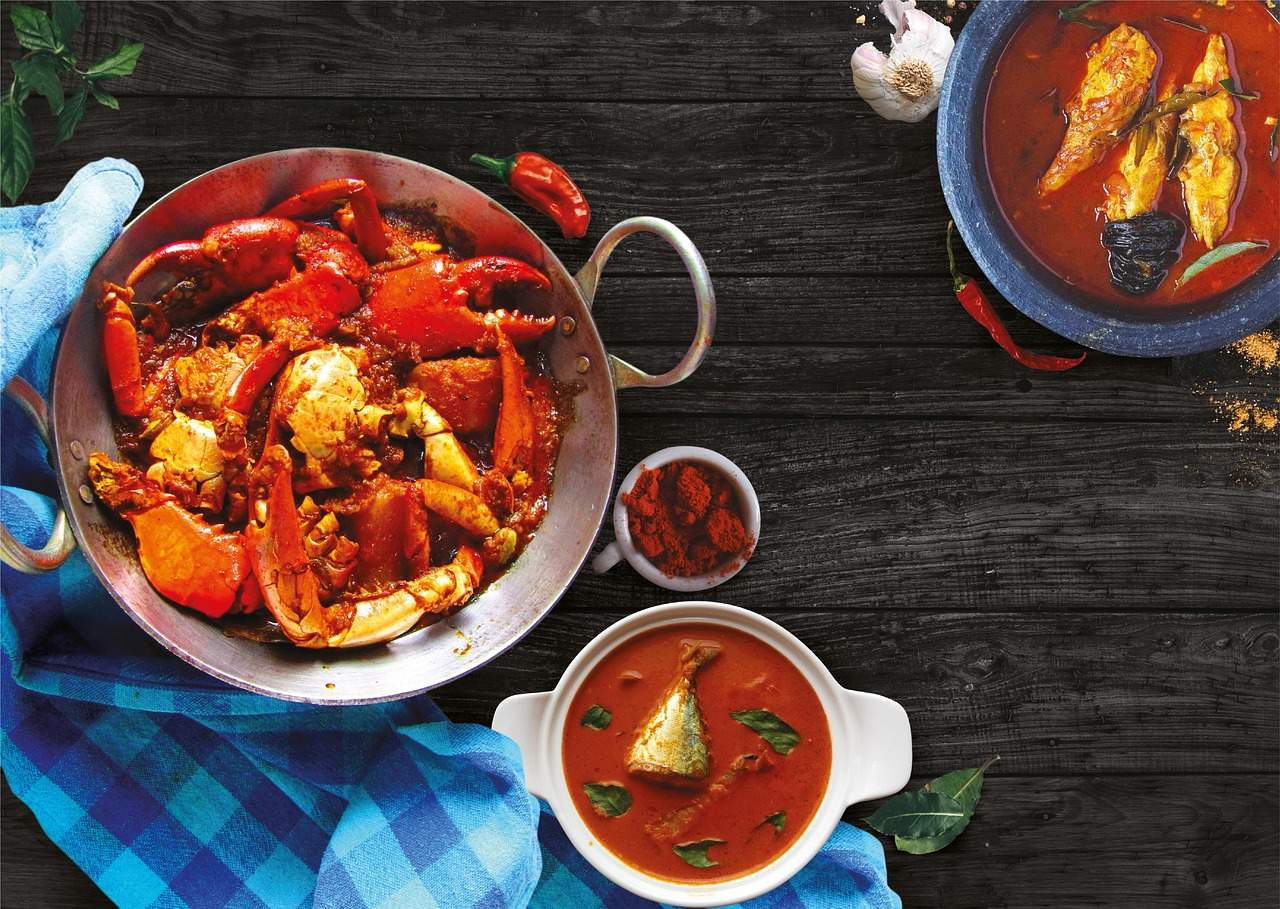
Food is one of the quiet, unspoken reasons so many people return to Goa. The things to do in Goa that involve the palate are usually the ones that return in memories—greasy, fragrant fish, sweet bebinca, spicy vindaloo, and the occasional coconut‑scented dessert.
Beach shacks: the obvious but nuanced route
Beach shacks are where most people start when they think about eating in Goa. They’re convenient, they’re social, and they’re right on the sand.
What to watch out for:
-
Over‑priced “iconic” shacks in the busiest parts of North Goa, where the food is often generically good but not especially memorable.
-
Quieter shacks in the South, where the owner is more likely to cook from scratch, use fresher fish, and care about seasoning.
Tips for a better shack experience:
-
Ask what’s in the Goan fish curry or prawn balchão. Many staff know the ingredients and can adjust spice levels if you’re still learning your limits.
-
Try at least one local curry per meal instead of defaulting to butter‑chicken‑style dishes.
-
Save room for a sweet—something like bebinca (a layered Goan dessert) or a coconut‑based sweet—to round things off.
Traditional taverns and local bars
Traditional taverns and local bars are an underrated thing to do in Goa if you’re interested in how the place actually lives.
-
Fontainhas (Latin Quarter, Panjim)
This colorful, colonial‑style neighborhood has a few old‑school pubs and cafés where locals mingle, the music is quieter, and the vibe is more “evening with friends” than “party‑for‑tourists.” Some places will serve you cash.
Conclusion
Goa isn’t really a place you “finish” seeing; it’s a place you slowly get used to. The mornings start to blend into afternoons, the ferry rides into conversations, the walks into habits. By the end of your stay, the things to do in Goa stop feeling like activities on a checklist and start feeling like small rhythms you’ve borrowed from the state itself—sunrise coffee on a quiet beach, a slow beer at a local tavern, a long walk through a village that doesn’t exist on a map.
What sticks with you, more than the photos or the parties, is the way the place lets you loosen up. The days don’t have to be packed; the fun doesn’t have to be loud; the version of things to do in Goa you take home doesn’t have to match the one you saw on Instagram. Whether you leave with memories of sand under your nails, a really good plate of fish curry, or the quiet view from a quiet fort, you’re still carrying the real Goa: the one that invites you to slow down, stay present, and just exist for a while on the edge of the Arabian Sea.
So when you look back at your trip, don’t only measure it by how many places you saw, but by how many moments of things to do in Goa made you feel like you weren’t just visiting—you were, for a little while, letting Goa live through you.