
If you’ve ever searched what is North Carolina known for and ended up hungry, that’s… completely reasonable. Food is one of the quickest ways to understand a place, and North Carolina has a particular talent for making simple things memorable: pork cooked low and slow, seafood fried just right, biscuits that feel like a small miracle, and a handful of brands (Pepsi, Cheerwine, Krispy Kreme) that somehow became part of the state’s personality.
This is a practical, real-world guide to North Carolina foods — the classics, the regional quirks, and the “okay, so what do I order?” details people usually wish someone would explain. If you want the bigger picture beyond food (history, landscapes, culture, and why the state feels so different from west to east), start with the pillar guide on what is North Carolina known for.
North Carolina foods and what the state is known for on a plate
North Carolina food culture changes as you drive. Mountains-to-coast is not just a pretty phrase — it’s a real shift in ingredients and habits. In the west, you’ll see more mountain trout, country breakfasts, and old-fashioned sweets. In the Piedmont, it’s barbecue country with its own logic and loyalties. And along the coast, seafood is the heartbeat, especially in the small towns where “fresh” isn’t a marketing word so much as a baseline expectation.
A quick note before diving in: this article isn’t trying to crown a single “best” dish. That tends to start arguments, and honestly, the best meal is usually the one you eat after a long day outside. Still, if you’re here for a shortlist, keep reading.
What is North Carolina known for in terms of food?
The headline answer is barbecue. But that’s like saying Italy is known for pasta — true, but incomplete. North Carolina is also known for Calabash-style seafood, sweet potato dishes, and a surprising number of nationally famous products that started here.
Visit North Carolina (the state’s official tourism site) has a handy round-up of “foods born in North Carolina,” including Cheerwine, Bojangles’, Texas Pete, Pepsi, Cook Out, Krispy Kreme, and Mt. Olive Pickles. If you’re the type who likes origin stories, it’s worth a look — and it backs up a lot of the “I heard this started here” claims that float around online.
You can read that list in full here: 7 Famous Foods Born in North Carolina.
Secondary keywords (used naturally)
- North Carolina foods
- foods North Carolina is known for
- Eastern vs. Lexington barbecue
- Calabash seafood
- iconic North Carolina food brands
North Carolina barbecue: the dish everyone talks about
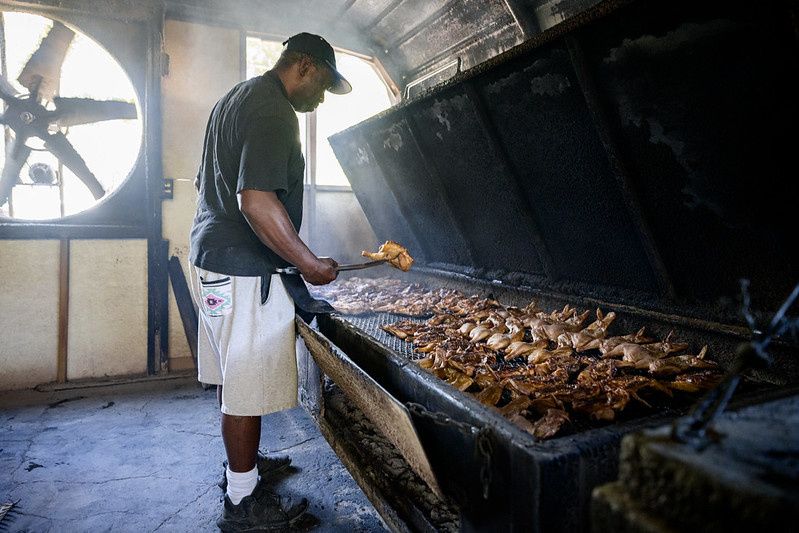
North Carolina barbecue is not one single thing. It’s a family of traditions that share the same backbone — pork, smoke, time — but disagree on details that people care about more than they’ll admit. Sauce is part of it. Cut of meat is part of it. Even the “correct” slaw can become a debate.
If you want the deeper, style-by-style breakdown (and, frankly, a calmer explanation than what you’ll get in some comment sections), keep a tab open for Eastern vs. Lexington barbecue in North Carolina. It’s the easiest way to understand why two barbecue plates can look similar… but taste like they come from different worlds.
Eastern-style barbecue (whole hog)
In much of eastern North Carolina, “barbecue” often means whole hog, chopped and seasoned with a thin vinegar-and-pepper sauce. It’s tangy, bright, and it cuts through the richness of pork in a way that makes sense after your second bite. The plate is usually straightforward: chopped pork, slaw, hush puppies, and maybe beans.
A small practical tip: if you’re not sure what to order, ask for a “barbecue plate” and see what the house standard is. In many places, that’s the point — you’re not customizing a masterpiece; you’re stepping into a tradition.
Lexington-style barbecue (pork shoulder)
In the Piedmont, especially around Lexington, barbecue is commonly made from pork shoulder. The sauce still leans vinegar-forward but usually includes some tomato, which adds a little sweetness and body. The slaw often lands right on top of the meat in a sandwich, and it’s one of those combinations that sounds odd until you try it.
If you’re building a short food itinerary, it can be genuinely fun to do a “two-style weekend”: one Eastern plate, one Lexington plate. You’ll start to notice the differences quickly — and you might surprise yourself with which one you prefer.
Calabash seafood: coastal comfort, done right
Calabash seafood is one of those phrases you see on signs along the coast, and it usually means lightly battered, fried seafood served with the sides you want after a day outside: slaw, hush puppies, maybe fries, and a pile of something crunchy and hot. It’s easy to dismiss as “tourist food,” but that’s not quite fair. When it’s done well, it’s simple and satisfying.
The word “Calabash” comes from a small coastal town near the South Carolina border, and the style spread because, well, people liked it. If you’re traveling with kids (or just craving something straightforward), this is often a safe bet.
Livermush and other “only here” foods
Here’s where North Carolina gets specific. In parts of the Piedmont and foothills — especially around the Hickory area — you may run into livermush. It’s a seasoned loaf made from pork and cornmeal, sliced and fried, usually eaten at breakfast. And yes, it can be an acquired taste. But it’s also the kind of dish that tells you a lot about a place: thrift, tradition, and a preference for bold, savory flavors.
Other regional favorites show up depending on where you are: mountain trout in the west, fried chicken and dumplings in home-style diners, and Moravian cookies with roots in the Winston-Salem area. None of these are “one bite and you’re done” experiences. They’re slow, familiar foods — the kind you come back to.
Sweet potatoes: the state’s quiet superstar
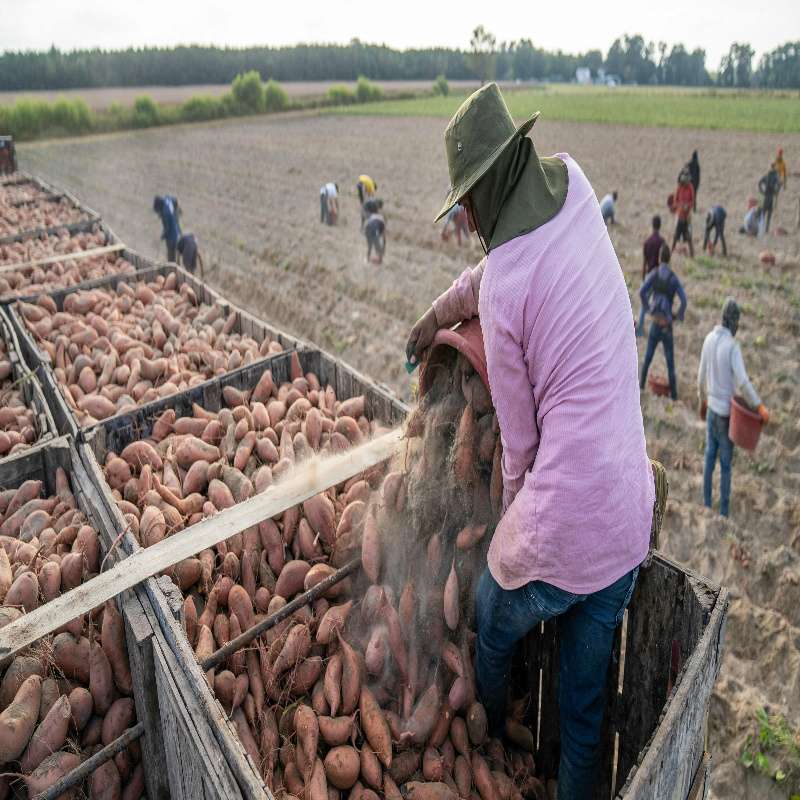
Sweet potatoes aren’t always the first thing people think of when they ask what North Carolina is known for, but they probably should be. North Carolina has been identified as the No. 1 sweet potato producer in the United States for decades, and UNC’s Carolina Demography notes the state has held that top ranking since 1971, citing USDA Agricultural Statistics Service data. If you want something concrete and data-backed to point to, that’s a strong source.You can read it here: North Carolina: Leading sweet potato production for 50 years.
In real life, this shows up as sweet potato casserole at holidays, sweet potato biscuits in some bakeries, fries on casual menus, and seasonal farm stands where you can buy a bag that seems to last forever. (It never does. You always end up cooking them all at once.)
Iconic North Carolina food brands you can actually taste
North Carolina has a surprising number of recognizable brands that started as local ideas and became national. Some of them are obvious once you hear them. Some still catch people off guard. If you want a more detailed “where it started + how to try it” guide, there’s a separate post on iconic North Carolina food brands that goes deeper.
Pepsi (New Bern)
Pepsi began in New Bern as a soda fountain drink created by pharmacist Caleb Bradham in 1898, according to Visit North Carolina. If you’re passing through the coast and like food history, this is one of those “small detour, big payoff” stories — because it’s strange and kind of wonderful that a global brand traces back to a specific small-town origin.
Cheerwine (Salisbury)
Cheerwine is sweet, cherry-forward, and deeply associated with the state. Visit North Carolina describes it as created in Salisbury during a World War I sugar shortage and notes the annual Cheerwine Festival in downtown Salisbury. This is one of those drinks people either love instantly or need a second try to “get,” and both reactions feel normal.
Krispy Kreme (Winston-Salem)
Krispy Kreme started in Winston-Salem in 1937, and Visit North Carolina highlights the brand’s now-famous “Hot Now” sign. If you’ve never had one fresh off the line, it’s honestly a different food than the boxed version. Softer, warmer, almost too easy to eat.
Texas Pete (Winston-Salem)
Texas Pete is not from Texas — which is part of the charm. Visit North Carolina explains it was developed in Winston-Salem by the Garner family, and the brand has expanded into a range of sauces over time. It’s a pantry staple in a lot of Southern kitchens because it’s spicy, but not punishing.

Bojangles’ (Charlotte) and Cook Out (Greensboro)
Bojangles’ began in Charlotte in 1977, and Visit North Carolina notes it has grown to about 800 locations, becoming a real fixture for road trips and tailgates. Cook Out, founded in Greensboro in 1989, is described by Visit North Carolina as a North Carolina “rite of passage,” especially for late-night runs and its long milkshake list. These places are not “fine dining,” obviously — but they are very much part of what North Carolina is known for in everyday life.
Mt. Olive Pickles (Mount Olive)
Mt. Olive Pickles started in 1926 and grew into a major pickle, pepper, and relish producer, according to Visit North Carolina, which also calls it the largest privately held pickle company in the nation. It’s also behind a very North Carolina kind of tradition: the New Year’s Eve Pickle Drop in Mount Olive.
What to eat first: a realistic “starter list”
If you’re visiting and don’t want to overthink it (which is fair), here’s a starter plan that hits the foods North Carolina is known for without turning your trip into a spreadsheet.
- One barbecue plate (choose Eastern or Lexington based on where you’ll be).
- One barbecue sandwich with slaw, just to see how you feel about it.
- Calabash-style seafood near the coast.
- A Cheerwine, ideally ice cold, preferably with a cookout meal or barbecue.
- A Krispy Kreme doughnut when the “Hot Now” sign is on, if you can manage it.
- Something sweet potato, even if it’s just fries or a side dish.
If you’re mapping this into a bigger trip (mountains, cities, coast), the main pillar on what is North Carolina known for helps connect food stops to scenery and drive time, which is the part people forget until they’re already in the car.
Planning notes (because food trips are still trips)
A small reminder that feels obvious but matters: the best North Carolina food experiences are often not in the most polished rooms. Sometimes they’re in simple buildings with a long line, a handwritten menu, and a parking lot full of locals. That’s not a guarantee of quality, but it’s usually a good sign.
Also, timing matters. Barbecue places can sell out. Coastal seafood spots can be seasonal. And if you’re trying to combine food with a scenic drive day, your schedule will feel better if you leave room for detours and traffic — especially around major metros and beach routes in peak season.
FAQ: North Carolina foods
What is North Carolina known for in terms of food?
North Carolina is known for pork barbecue (Eastern and Lexington styles), Calabash-style seafood, sweet potatoes, and homegrown brands like Pepsi, Cheerwine, Krispy Kreme, Texas Pete, Bojangles’, Cook Out, and Mt. Olive Pickles.
Is North Carolina barbecue vinegar-based?
In many areas, yes. Eastern-style barbecue is typically vinegar-and-pepper based, while Lexington-style often adds some tomato to the vinegar base. It’s still tangy, just a little rounder.
What’s the most “only in North Carolina” food?
Livermush is a strong contender because it’s regionally specific, surprisingly beloved, and not always easy to find outside the state. But honestly, plenty of people would argue that true whole-hog Eastern barbecue belongs on that list too.
If you want to keep exploring, the most natural next read is the guide to Eastern vs. Lexington barbecue in North Carolina, especially if you’re trying to decide where (and what) to order first.