
Ask ten people what North Carolina is known for and you’ll probably get ten different answers. Some will talk about smoky barbecue and Cheerwine, others about the Blue Ridge Parkway, the Outer Banks, or the energy of college basketball and NASCAR. In a way, they’re all right — this is a state that stretches from misty mountain overlooks to wild, windy islands, and the culture shifts right along with the landscape.
This guide takes a broad but practical look at what North Carolina is famous for: its regions, food, history, economy, and what day-to-day life actually feels like if you’re thinking about visiting or moving. Think of it as a long conversation with someone who really loves the state but is still willing to admit that, yes, the humidity is absolutely a thing.
North Carolina at a Glance
North Carolina sits in the southeastern United States, with Virginia to the north, South Carolina and Georgia to the south, Tennessee to the west, and the Atlantic Ocean to the east. It has more than 300 miles of coastline, mountain ranges that are part of the Blue Ridge and Great Smoky Mountains, and a population that has grown past 11 million people in recent years as more people move in for jobs and lifestyle.
The state is famously divided into three main geographic regions: the Mountains in the west, the rolling Piedmont in the center, and the flat Coastal Plain to the east. That simple three-part structure will come up again and again — it affects everything from weekend trips to weather patterns and even what people like to eat.
Quick things North Carolina is known for
- The “First in Flight” legacy of the Wright brothers at Kitty Hawk on the Outer Banks.
- The Tar Heel State nickname, tied to early production of tar and pitch from pine forests.
- Blue Ridge Parkway vistas and Great Smoky Mountains hiking and camping.
- The Outer Banks barrier islands, with lighthouses, wild horses, and wide sandy beaches.
- Distinctive barbecue styles, especially Eastern and Lexington-style pork.
- Iconic brands like Pepsi, Cheerwine, Krispy Kreme, Bojangles, Texas Pete, and Mt. Olive Pickles.
- Banking and finance in Charlotte, and research and tech in the Triangle (Raleigh–Durham–Chapel Hill).
- College basketball rivalries and a long-running relationship with NASCAR.
If you’re building a deeper trip or even considering a move, those are the themes you tend to bump into again and again — just from different angles depending on whether you’re in Asheville, Charlotte, or along the coast.
History and Identity: Why “Tar Heel” and “First in Flight” Matter
When people ask what North Carolina is known for historically, two ideas come up a lot: the Tar Heel nickname and the first successful powered flight at Kitty Hawk. The Tar Heel name goes back to the days when the state produced tar, pitch, and turpentine from longleaf pine forests, materials that were essential to wooden ships and the naval industry. Over time, what started as a rough label became a point of pride, especially in sports and state identity.
The “First in Flight” claim refers to the Wright brothers’ 1903 flights near Kitty Hawk on the Outer Banks, where they tested their early aircraft on open sand dunes and steady coastal winds. That moment is celebrated at the Wright Brothers National Memorial, and the phrase still appears on license plates, t-shirts, and almost anything that tries to capture North Carolina’s sense of innovation.
Beyond those big icons, the state’s story runs from Indigenous communities and early English coastal settlements through the Revolutionary and Civil War eras into a long stretch of tobacco, textiles, and furniture manufacturing. In the last few decades, a lot of that industrial base has shifted toward banking, technology, pharmaceuticals, and advanced manufacturing, especially around Charlotte and the Research Triangle. It’s a fairly big change, and you can feel it in the way small towns, mill villages, and city neighborhoods are being reimagined.
Geography and Landscapes: Mountains, Piedmont, and Coast
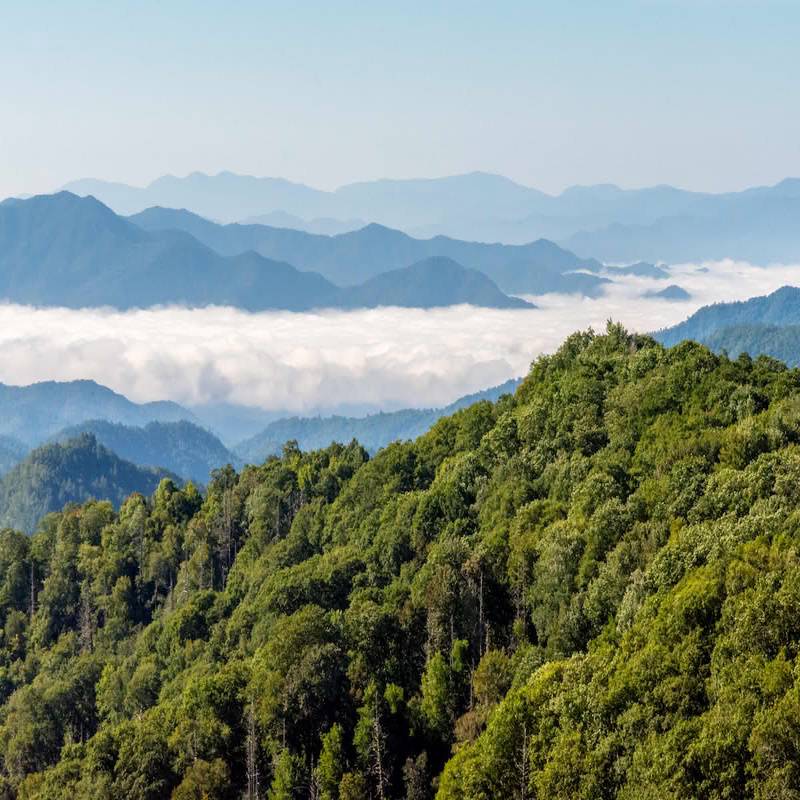
One of the reasons people have such different answers to “what is North Carolina known for” is that the terrain changes so dramatically from west to east. In the Mountains, the focus is on ridgelines, waterfalls, and curvy roads that open up to long-distance views, while the Coast centers around wind, water, and the long, skinny islands of the Outer Banks. The Piedmont in the middle tends to be where the bigger cities, research parks, and many of the day-to-day jobs sit.
Mountains: Blue Ridge and Smokies
Western North Carolina is defined by the Appalachian chain, especially the Blue Ridge and the Great Smoky Mountains. Here you’ll find places like Asheville, Boone, and Bryson City acting as gateways to national parks, national forests, and scenic byways. The Blue Ridge Parkway — often called “America’s favorite drive” — cuts along the ridges with overlooks, picnic areas, and hiking trailheads that make it surprisingly easy to have big views without extremely technical hiking.
The state’s highest point, Mount Mitchell, sits at more than 6,600 feet and has a road and a short path to an observation tower, so it’s one of those rare “big” peaks that families can enjoy together. In autumn, people drive for hours just to chase fall color along this western edge of the state; in summer, mountain towns are a little cooler and feel like a retreat from the humidity further east.
Piedmont: Cities, Lakes, and Rolling Hills
Drop east from the mountains and you reach the Piedmont, a landscape of rolling hills, lakes, and urban centers like Charlotte, Raleigh, Durham, Greensboro, and Winston-Salem. This is where a lot of people actually live and work, and it’s a big part of what North Carolina is known for in terms of economy and culture. Charlotte has grown into a major banking and financial hub, while the Raleigh–Durham–Chapel Hill area, often called the Research Triangle, is packed with universities, research institutions, and a growing tech and biotech ecosystem.
Even though the Piedmont is more urban, it still has plenty of trails, greenways, and lakes, from neighborhood walking routes to state parks with camping and boating. For families, this middle stretch can feel like the “best of both worlds”: close enough to drive to either the mountains or the beach for a weekend, but with schools, jobs, and community events right at hand.
Coastal Plain and the Outer Banks
East of the Piedmont, the land flattens into the Coastal Plain, and eventually you reach the sounds, estuaries, and barrier islands of the Atlantic coast. The Outer Banks — a long, thin chain of islands separated from the mainland — are probably the most famous part of coastal North Carolina, known for wide beaches, surf and kite sports, historic lighthouses, and even wild horses in some stretches.
Cape Hatteras Light, often described as the tallest brick lighthouse in the United States, has become one of the most recognizable landmarks in the state. The surrounding waters, sometimes called the “Graveyard of the Atlantic,” tell a long story of storms, shifting sands, and shipwrecks, which is part of the region’s slightly untamed appeal. Just inland, you have quiet soundside towns, maritime forests, and wildlife refuges that show a softer, more low-key side of coastal life.
What Is North Carolina Known For in Its Economy?
When people look beyond travel and ask what North Carolina is known for in terms of economic life, a few themes come up: banking and finance in Charlotte, research and tech in the Triangle, manufacturing spread across smaller cities, and a surprisingly strong agricultural base. That mix has helped the state attract new residents and keep its cost of living relatively moderate compared with some coastal or big-city markets.
Charlotte has become one of the major banking centers in the United States, home to large financial institutions and a long list of regional and national employers. Around Raleigh, Durham, and Chapel Hill, the combination of major universities and Research Triangle Park has helped grow sectors like software, pharmaceuticals, biotech, and advanced engineering; this is one of the reasons the region often appears on lists of places with strong job growth. Alongside that, manufacturing continues in areas like vehicles, furniture, textiles, and aerospace components, although often in more specialized or high-tech forms than in past decades.
Agriculture is still very present, even if you mostly notice it while driving past fields or seeing local produce at farmers markets. North Carolina ranks among national leaders for sweet potatoes and also produces tobacco, hogs, poultry, and Christmas trees in significant volumes. For visitors, that translates into seasonal farm stands, pumpkin patches, and “choose and cut” tree farms; for residents, it often just feels like part of the landscape and local economy, especially outside the biggest cities.
What Is North Carolina Known For in Food?
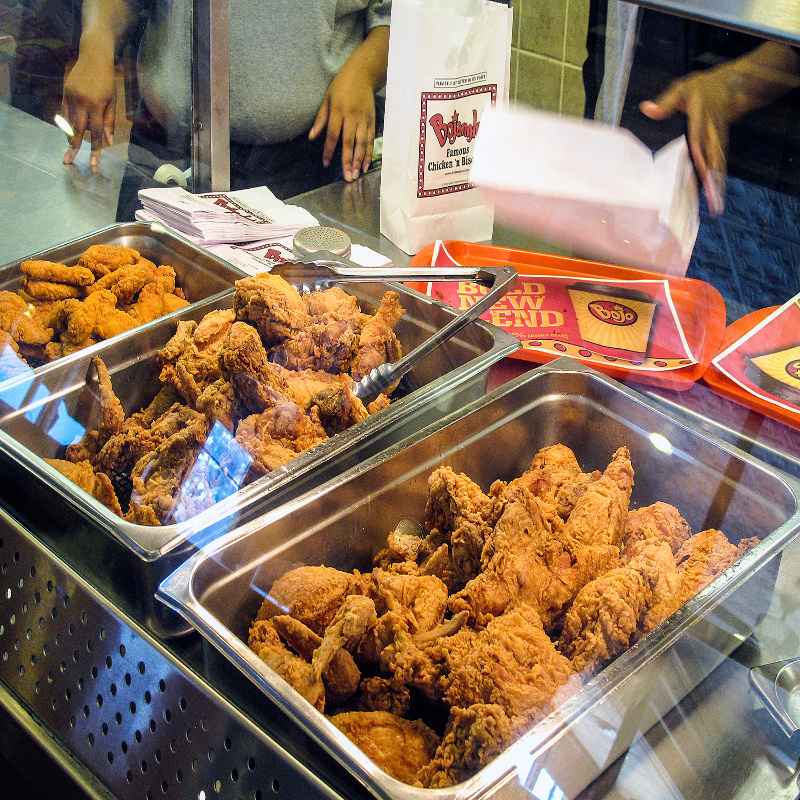
Food is where this question gets fun, and maybe a little emotional. Ask locals what North Carolina is known for in terms of food, and someone will bring up barbecue within the first two minutes. Not far behind are Calabash seafood, livermush in certain regions, fried chicken, mountain trout, and a whole lineup of sweet drinks and snacks with roots here — from Pepsi and Cheerwine to Krispy Kreme and Mt. Olive Pickles.
Because there’s so much to say, it’s worth having a dedicated deep dive into North Carolina foods and what the state is known for on a plate, especially if you’re the kind of traveler who plans days around where to eat. For now, it helps to split things into barbecue, regional dishes, and homegrown brands you can actually taste.
Barbecue: Eastern vs. Lexington Style
North Carolina barbecue tends to focus on pork, but the exact cut and sauce style depend on where you are. In the eastern part of the state, “whole hog” barbecue is common, meaning the pitmasters cook and chop meat from the entire animal and season it with a thin vinegar-based sauce that usually has a simple mix of vinegar, salt, and chili flakes. In the Piedmont, especially around Lexington, the focus shifts more toward pork shoulder, with a sauce that still has vinegar at its core but adds some tomato for a slightly richer, redder flavor.
Sides often include hush puppies, slaw (sometimes vinegar-based, sometimes creamy), and simple vegetables or beans, and the combination is one of the big reasons people say barbecue is what North Carolina is known for above almost anything else. If you want to dig into the details — including where to try each style and how locals actually order — a focused guide to Eastern vs. Lexington barbecue in North Carolina is worth having open while you plan.
Calabash seafood and other regional dishes
Down on the coast, especially near the town of Calabash, you’ll see the term “Calabash-style” attached to seafood platters. The idea is simple but comforting: lightly breaded and fried seafood, served hot with slaw, hush puppies, and perhaps a view of the water. It’s not fancy, exactly, but it’s one of those meals that feels right after a day of sand, sun, and salt air.
In parts of the Piedmont and foothills, especially around the Hickory region and some mountain towns, you might run into livermush — a seasoned loaf made from pork and cornmeal, sliced and fried, often eaten at breakfast. It’s admittedly an acquired taste, but it’s also the kind of thing that shows how local traditions hang on in specific pockets of the state. Mountain trout, chicken and dumplings, fried chicken, and Moravian cookies from the Winston-Salem area round out a long list of dishes that feel deeply tied to place.
Iconic North Carolina food and drink brands
| Brand | What it is known for | Where it started |
|---|---|---|
| Pepsi | Cola that began as a fountain drink in a drugstore, later becoming a global soft drink brand. | New Bern, North Carolina. |
| Cheerwine | Cherry-flavored soft drink often described as uniquely rich and fizzy, still strongly associated with the state. | Salisbury, North Carolina. |
| Krispy Kreme | Yeast-raised doughnuts, especially the classic glazed variety signaled by the glowing “Hot Now” sign. | Winston-Salem, North Carolina. |
| Texas Pete | Hot sauce brand that adds a moderate, tangy heat to everything from eggs to fried chicken. | Winston-Salem, North Carolina. |
| Bojangles | Fast-food chain known for fried chicken, biscuits, and sweet tea, with a strong presence across the Carolinas. | Charlotte, North Carolina. |
| Cook Out | Drive-through chain serving chargrilled burgers, hot dogs, and a very long list of milkshake flavors. | Greensboro, North Carolina. |
| Mt. Olive | Pickles, peppers, and relishes that show up in grocery stores across the United States. | Mount Olive, North Carolina. |
Each of these brands has its own origin story, festivals, and little quirks: an annual Cheerwine Festival in Salisbury, a New Year’s Eve pickle drop in Mount Olive, and even a charity Krispy Kreme Challenge in Raleigh where runners combine distance and doughnuts. If you’re curious about the details, an article focused on iconic North Carolina food brands like Pepsi, Cheerwine, and Krispy Kreme can walk through the history and where to experience each one today.
Arts, Sports, and Culture
Culture in North Carolina is a blend of old and new: traditional music and crafts in the mountains, university performances and film festivals in the cities, and a sports scene that stretches from college basketball to professional football and soccer. Museums in places like Raleigh, Charlotte, and Greensboro highlight everything from the Civil War to the Civil Rights Movement, while smaller venues and festivals showcase local artists and musicians.
On the sports side, college basketball is almost a language of its own, especially around the rivalry between certain Triangle universities. Professional teams add their own flavor, with NFL games in Charlotte, major league soccer, and a connection to NASCAR that includes the Hall of Fame and several tracks in and around the state. For many residents, weekends end up being a mix of tailgates, local brewery visits, youth sports, and the occasional road trip to a concert or cultural event in a neighboring city.
What Is North Carolina Known For If You Live There?
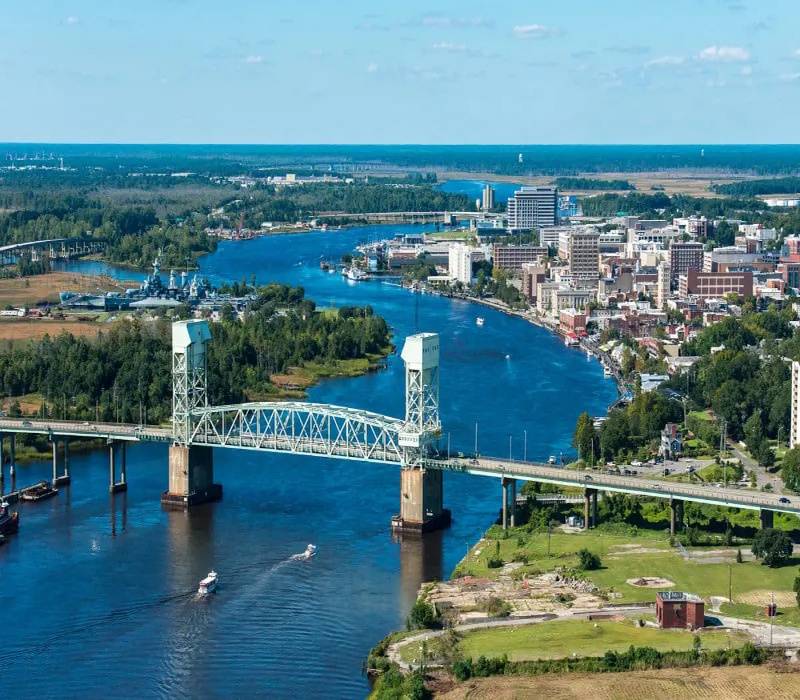
Visitors often remember the views, the food, or that first time driving across a long bridge toward the Outer Banks. People who live in North Carolina, though, tend to talk about a slightly different mix of things: relatively mild four-season weather, a lower cost of living than many coastal states, a growing job market, and also some very real headaches around traffic, infrastructure, and storms. It is a trade-off, like anywhere else.
The climate is often described as moderate, with warm summers, relatively mild winters in most regions, and occasional snow in the mountains. At the same time, the state is vulnerable to hurricanes along the coast, remnants of tropical systems that can bring heavy rain inland, and the occasional winter storm that makes roads tricky, especially in areas that are not used to a lot of ice. For anyone considering a move, it’s worth reading a more focused breakdown of the pros and cons of living in North Carolina by region to see how those trade-offs feel in daily life.
Cost of living, jobs, and infrastructure
Compared with some neighboring states and big coastal metros, the overall cost of living in North Carolina tends to sit a bit below the national average, although it varies a lot by city and neighborhood. Housing prices have climbed in growth areas like Charlotte and Raleigh, but smaller towns and rural counties can still feel much more affordable, especially if you are working remotely or in a field that does not require being downtown.
The state’s growing population and limited public transit in many areas do mean that driving is still the default. Highways make it possible to crisscross the state fairly efficiently, but rush hour congestion in larger cities, road maintenance needs, and post-storm repairs are common points of complaint. It is the kind of place where having a car feels almost necessary in most regions, even if you’re based near a bus or rail line in a bigger metro.
Scenic Drives and Classic Routes
One quietly lovely thing North Carolina is known for is how many different landscapes you can drive through in a single long weekend. A classic route might start along the Blue Ridge Parkway, dip through mountain towns, slide down into the Piedmont for a city stopover, and then continue to the Outer Banks, where you switch from hairpin turns and overlooks to long bridges and sand dunes.
For road-trip planners, it may be helpful to have a guide dedicated to North Carolina scenic drives from the Blue Ridge to the Outer Banks, with suggested stopovers, seasonal notes, and short hikes or viewpoints that fit into a single day. These drives are also a good way to see how the different things North Carolina is known for — from barbecue shacks and college towns to lighthouses and parkways — connect in real life.
Sample Itineraries: Experiencing What North Carolina Is Known For
Mountain weekend
A simple mountain weekend might have you arrive in Asheville on a Friday, wander through the downtown, and grab dinner at a local restaurant that showcases regional ingredients. Saturday could be a day for the Blue Ridge Parkway, with stops at overlooks, a hike near Craggy Gardens or Mount Mitchell, and a picnic at a roadside table; Sunday might be reserved for a lazy brunch, a visit to a brewery or coffee shop, and a short waterfall hike on your way out of town.
If you prefer things quieter, smaller mountain towns like Boone, Blowing Rock, or Bryson City offer a slightly slower rhythm, with easy access to trails, rivers, and scenic drives. Many families return to the same cabin or campground year after year, in part because they find a particular view, lake, or trail system that becomes “their” North Carolina.
Outer Banks family trip
On the coast, a week on the Outer Banks often includes a mix of beach time, lighthouse climbs, and low-key exploring. One day you might climb a historic lighthouse, another you might take a wild horse tour, and another afternoon could be spent on Jockey’s Ridge, a huge sand dune area where kids and adults run, slide, and watch the sunset over the sound
Small towns along the way offer ice cream shops, seafood restaurants, and piers for evening strolls or fishing. For families, the appeal of North Carolina here is simple: you can be very active with water sports and day trips, or you can lean into quiet mornings on a porch with coffee, waves in the distance, and nothing urgent on the schedule.
Frequently Asked Questions About What North Carolina Is Known For
What food is North Carolina most famous for?
North Carolina is most famous for pork barbecue (especially Eastern and Lexington styles), Calabash-style fried seafood, and a set of homegrown brands like Pepsi, Cheerwine, Krispy Kreme, and Mt. Olive pickles. Livermush, Moravian cookies, fried chicken, and mountain trout all have strong local followings as well, even if they are not as widely known outside the region.
What is North Carolina known for in tourism?
In tourism, North Carolina is known for outdoor experiences: the Blue Ridge Parkway and Great Smoky Mountains in the west, countless lakes and trails in the Piedmont, and the Outer Banks and other coastal areas in the east. Visitors often come for hiking, waterfalls, fall color, beaches, lighthouses, and small towns that feel just enough removed from daily routine without being difficult to reach.
Is North Carolina a good place to live?
Many people find North Carolina a good place to live because of its relatively moderate cost of living, growing job market, and access to both mountains and coast. At the same time, anyone considering a move should think carefully about weather risks, the need for a car in most areas, regional differences in schools, and the way growth is affecting housing prices and traffic in major metros.
If you are weighing a relocation, a more detailed look at the pros and cons of living in North Carolina can help you map these big-picture impressions to specific regions and cities. It is rarely all positive or all negative, but understanding the balance will make your decision feel more grounded.
Bringing It All Together
In the end, what North Carolina is known for depends a little on who you ask. For some, it is always going to be that first bite of smoky barbecue or a hot Krispy Kreme doughnut; for others, it is a sunrise over the ocean, a foggy Blue Ridge overlook, or the sound of a stadium shouting itself hoarse over a close game. The state holds all of those things at once, which is partly why people keep coming back — and why many eventually decide to stay.
If you’re just starting to plan, it might help to think in layers: a broad overview of what North Carolina is known for, then deeper dives into food, scenic drives, iconic brands, and the realities of daily life. Once that picture feels clear enough, you can decide whether you want to simply visit or to begin the more serious process of calling this mountains-to-sea state home.