
Ask someone outside the Midwest, “What is Iowa known for?” and you’ll usually hear the same two answers: corn and the caucuses. That’s not entirely wrong, but it is only the surface. Once you actually spend a bit of time here, you start to see a different picture: writers’ festivals tucked into bookish streets, surprisingly dramatic hills, endless summer fairs, and little pockets of culture that you never quite expect until you stumble into them.
This guide is meant to feel like that friend who has driven across the state a few too many times, stayed for more than just a fuel stop, and wants to show you why Iowa is more than a flyover. We’ll talk about agriculture and food, of course, but also about the Iowa State Fair, the political spotlight of the Iowa caucuses, the literary life in Iowa City, outdoor escapes in the Loess Hills and Driftless Area, and the small but meaningful ways the state shows up in American culture. Along the way, you’ll see links to deeper guides on specific topics, so you can build your own Iowa itinerary if you like.
What Is Iowa Known For?
If you just need a quick overview, here’s the short version. Iowa is best known for:
- Being a national leader in corn, soybeans, pork, and egg production.
- The Iowa State Fair, with its famous Butter Cow and over-the-top fair food.
- The first-in-the-nation Iowa caucuses and the role they play in U.S. presidential politics.
- A world-renowned writing culture, anchored by the Iowa Writers’ Workshop and Iowa City’s UNESCO City of Literature status.
- Distinctive landscapes like the Loess Hills and the Driftless Area that challenge the “totally flat” stereotype.
- Historic and cultural sites such as the Amana Colonies, the Field of Dreams movie site, and the covered bridges of Madison County.
- Summer escapes at the Iowa Great Lakes and Clear Lake.
- Des Moines as a growing hub for insurance, finance, and a modern food-and-arts scene.
The rest of this pillar article simply takes those headlines and unpacks them. If any one topic really grabs you, you can click through to a more detailed cluster article and come back here whenever you’re ready.
Iowa at a Glance
Before diving into what Iowa is known for in detail, it helps to have a quick mental map. Iowa sits in the American Midwest, bordered by the Mississippi River to the east and the Missouri and Big Sioux rivers to the west. It’s the only U.S. state with major rivers defining both its eastern and western borders, which is a neat little fact that almost no one remembers until they see it on a map.
The capital and largest city is Des Moines, a place that has quietly transformed from a governmental and insurance hub into a city with craft breweries, public art, and a surprisingly vibrant restaurant scene. The state has 99 counties and, thanks to a quirk of history, 100 county seats. Cities like Cedar Rapids, Davenport, Sioux City, Iowa City, Ames, Dubuque, and Council Bluffs all add their own flavor, from riverfront architecture to college-town energy.
Climate-wise, Iowa has four distinct seasons and does not really do anything halfway. Winters can be cold and snowy, springs are often windy and changeable, summers are hot and humid (fair season and lake season thrive on that), and autumn can be a sweet spot of clear days and harvest colors.
Agriculture and Food: The Heart of What Iowa Is Known For
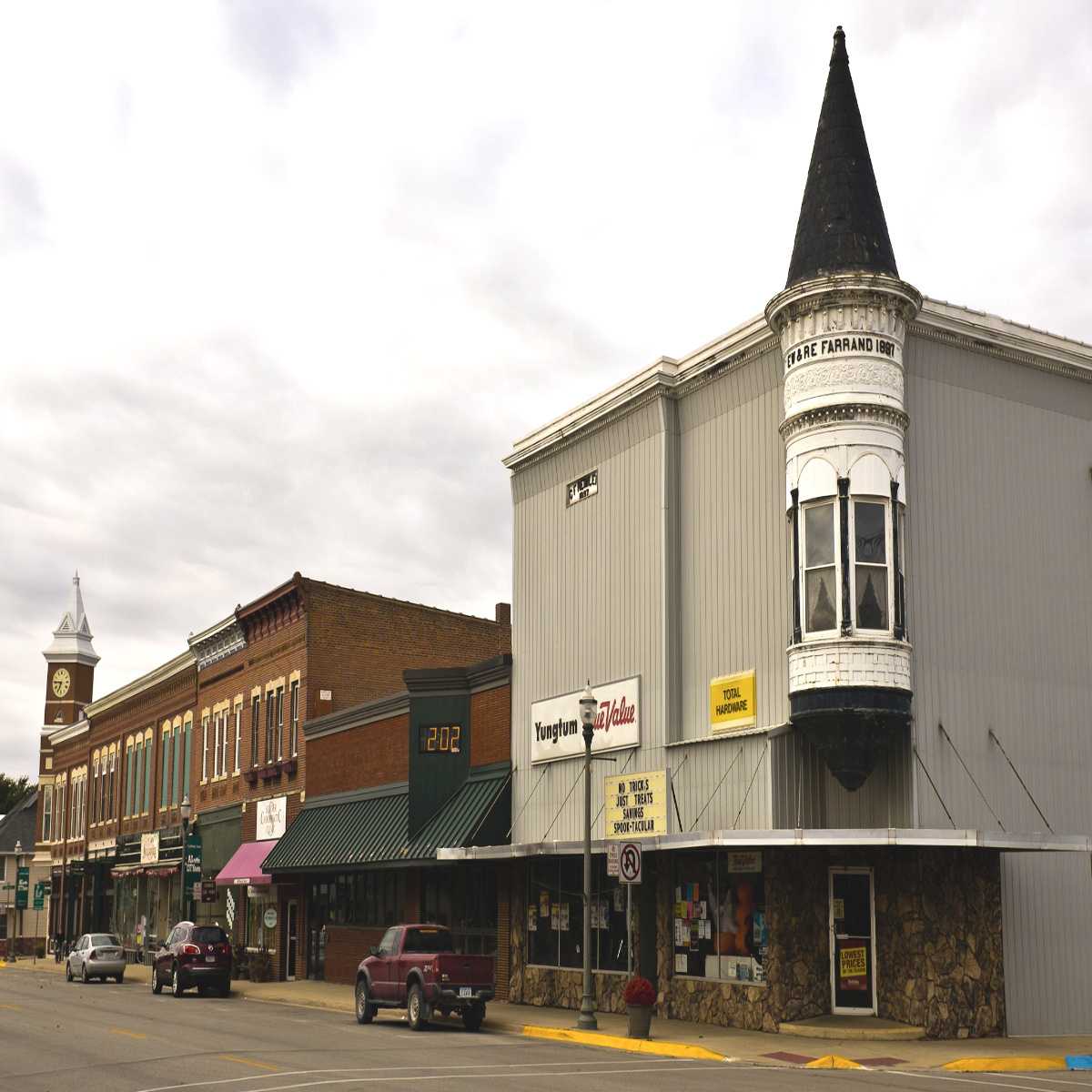
It’s impossible to talk about what Iowa is known for without starting with agriculture. For generations, Iowa has been one of the top producers of corn and pork in the United States, with huge outputs of soybeans and eggs as well. Drive almost any highway outside the cities in late summer and you’ll see why: wide fields of corn, rolling bean fields, and small towns whose economies are built around elevators, co-ops, and processing plants.
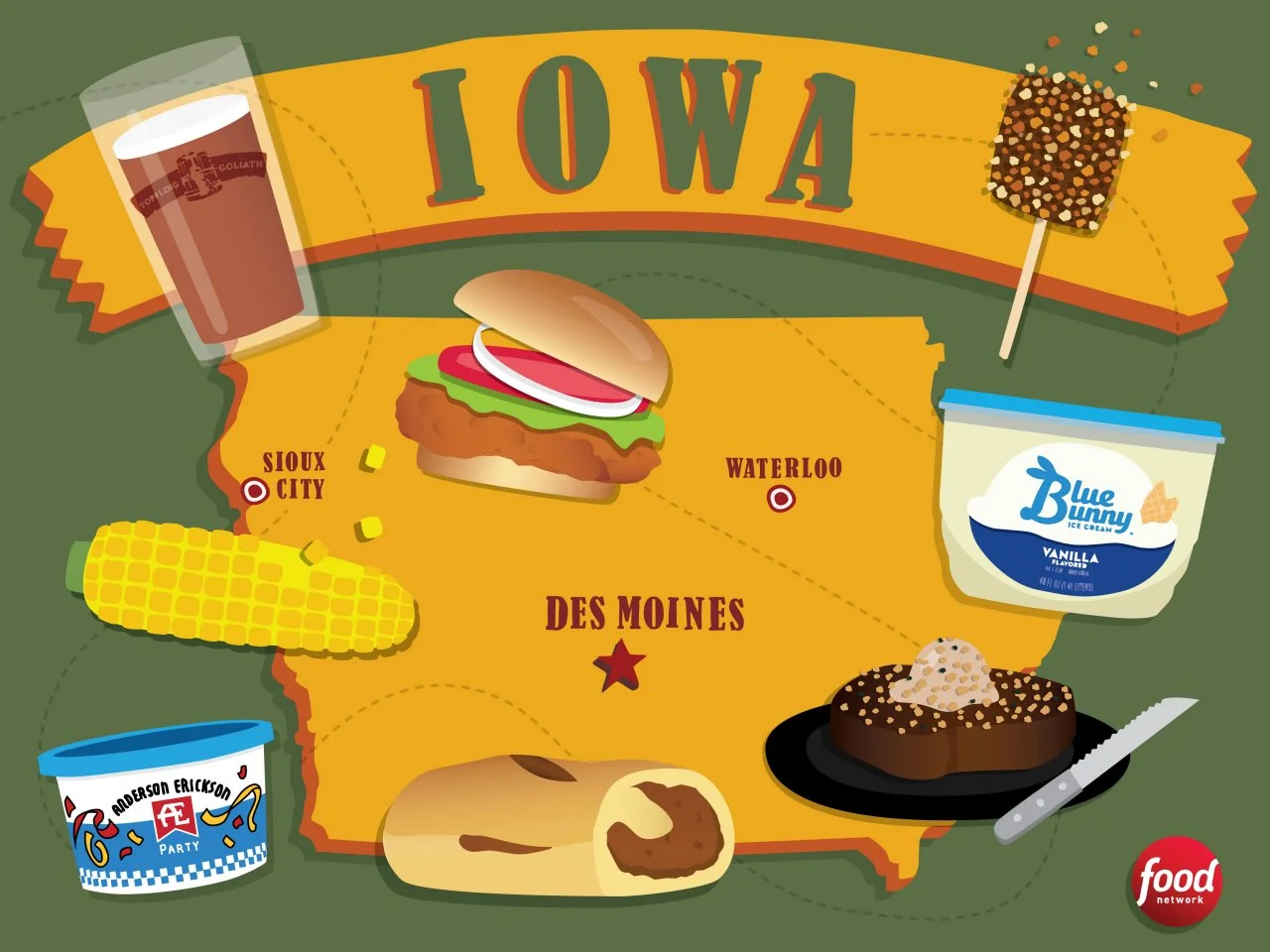
That agricultural strength isn’t just an economic statistic; it’s something you feel in daily life. Local diners serve generous pork tenderloin sandwiches that hang off the bun. Sweet corn season is treated almost like a small holiday, with people debating the best roadside stands and the “right” amount of butter. At farmers markets in Des Moines, Iowa City, and smaller communities, you’ll see everything from honey and eggs to handmade jams and fresh cheese curds.
If you’re planning a trip and want to lean into this side of Iowa, consider timing your visit for harvest season or pairing your travels with major events such as the Iowa State Fair. A dedicated guide like this Iowa State Fair guide with food, Butter Cow, and planning tips can help you navigate the crowds, the deep-fried everything, and the agricultural exhibits in a way that still leaves you with energy at the end of the day.
Later, if you’re hungry for more (pun intended), you might also enjoy a focused look at what food Iowa is known for, from pork tenderloin to sweet corn, including small-town restaurants and seasonal specialties across the state.
The Iowa State Fair: A Summer Institution
The Iowa State Fair in Des Moines is one of the biggest reasons many people outside the region even know Iowa exists. Once a year in August, the fairgrounds turn into a kind of temporary city: farm families showing livestock, kids competing in everything from baking to robotics, midway rides, concerts, and food stands that take “on-a-stick” to creative extremes.
The most iconic symbol is the Butter Cow, a full-size cow sculpture carved from butter inside a chilled display case. It sounds kitschy, and it is, but it’s also genuinely charming. People who grew up visiting the fair often make a point of saying hello to the Butter Cow every single year, like checking in on an old friend who just happens to be made of dairy.
What the fair really showcases, though, is the state’s mix of agriculture, creativity, and community. You can watch showings in the livestock barns, talk to farmers about their operations, sample new foods, and then switch gears completely and listen to a big-name band on the grandstand stage. If you’re curious how this event fits into the broader picture of what Iowa is known for, it’s worth reading a full
Iowa State Fair planning and food guide
before you book flights or accommodations, especially because nearby hotels fill early.
Politics in the Spotlight: The Iowa Caucuses
When people talk about what Iowa is known for outside the Midwest, politics inevitably come up. Every four years, the Iowa caucuses kick off the U.S. presidential primary season. That “first-in-the-nation” role means that small gatherings in school gyms, church halls, and community centers can draw national media and shape the narrative around candidates early on.
Caucuses are a bit different from a simple ballot vote. They’re more like a community meeting where people physically gather, hear short speeches, discuss, and then line up or group together to show support for candidates. For visitors, it can be fascinating to see democracy in such an intimate, sometimes messy, sometimes inspiring form. If you’ve ever wanted to see how politics looks up close rather than just on a TV screen, this is one way to do it.
That said, caucus season also means busy hotels, packed restaurants, and a lot of cameras. If you’re thinking of visiting during that time, a clear explainer like
this guide on how the Iowa caucuses work and what travelers should expect
will help you understand both the process and the practical realities of being in Iowa during a high-attention political moment.
Literature, Arts, and the UNESCO City of Literature
It might surprise you, but one of the most distinctive answers to “what is Iowa known for?” isn’t corn or politics. It’s writing. Iowa City is home to the Iowa Writers’ Workshop, a graduate program that has produced an outsized number of acclaimed authors and has shaped modern American literature in quiet but powerful ways.
Because of that legacy, and a broader culture of readings, small presses, and book-centered events, Iowa City has been recognized as a UNESCO City of Literature. For visitors, this isn’t some abstract title. You can feel it when you duck into independent bookstores, attend a public reading, or wander past the Old Capitol and see students writing on laptops or in notebooks outside on a mild day.
If the literary side of what Iowa is known for speaks to you, consider planning a stop using a focused resource such as
an Iowa City and Iowa Writers’ Workshop City of Literature guide.
It can help you find bookshops, public art, festivals, and simple walks that bring this more thoughtful, creative side of the state into focus.

Landscapes You Don’t Expect: Loess Hills and the Driftless Area
Ask a random person what Iowa looks like and they’ll probably say “flat.” That’s partly true in some regions, but two areas in particular complicate the picture in the best way: the Loess Hills in the west and the Driftless Area in the northeast. If you love road trips or gentle hikes, this part of what Iowa is known for is worth extra time.
The Loess Hills run roughly parallel to the Missouri River and are formed from wind-blown silt that has built up into long ridges and steep-sided hills. Driving along their scenic byways, you sometimes forget you’re still in the same state you crossed hours earlier through open farmland. In the Driftless Area, along the Mississippi River and its tributaries, deep valleys, bluffs, and winding rivers create a landscape carved more by water than by glaciers. It feels older somehow, with small river towns clinging to the sides of hills and overlooks offering views across several states on a clear day.
For a deeper look at driving routes, viewpoints, and easy-to-moderate trails, you might want to open a separate guide like
Loess Hills and Driftless Area: routes, overlooks, and short hikes.
You can then come back here to keep exploring what Iowa is known for as a whole.
Heritage and Living History: From Indigenous Roots to the Amana Colonies
Long before Iowa became an agricultural powerhouse or a political proving ground, it was home to Indigenous nations. The very name “Iowa” comes from the Ioway people, and other communities such as the Meskwaki (Sac and Fox) have deep, ongoing ties to the land. Today, the Meskwaki Settlement near Tama remains a living community with its own traditions, enterprises, and events.
For travelers, this part of what Iowa is known for asks for a bit more care and humility. Learning a little about tribal history, treaties, and present-day life can turn a simple road trip into a more thoughtful journey. When visiting any sites or events connected to Indigenous communities, it’s important to check current guidance, respect privacy where requested, and support businesses and cultural centers that are community-led.
Another distinctive chapter in Iowa’s cultural story is the Amana Colonies, a group of historic villages settled by German pietists in the 19th century. The Amanas are famous for their preserved architecture, communal history, and hearty, family-style meals. Walking down the streets there can feel oddly timeless—handcrafted goods, traditional bakeries, and workshops that still use old methods in a modern world.
If you’re planning to incorporate this side of what Iowa is known for into a trip, you might find it helpful to read
an Amana Colonies travel guide
for tips on the best times to visit, how to navigate between the villages, and how to connect with local history in a respectful, engaging way. In time, a dedicated piece like
understanding Meskwaki heritage and visiting respectfully
can also offer more in-depth context.
Economy Today: Beyond the Farm Fields
There’s no question that farming still plays a huge role in Iowa’s identity, but if you want to understand what Iowa is known for right now, you also have to look beyond the fields. Over the past few decades, the state has seen growth in insurance and financial services, advanced manufacturing, food processing, biofuels, and renewable energy.
Des Moines has become a major center for the insurance industry, home to several large companies and a broad ecosystem of related jobs. That, in turn, has helped draw in young professionals, restaurants, and creative spaces. Other cities have their own strengths: Cedar Rapids has long ties to food and grain processing, Iowa City and Ames center around education and research, and wind farms spread across parts of the state hint at Iowa’s growing role in renewable energy.
This more modern economic picture doesn’t erase the traditional image of barns and silos; it simply layers on top of it. Travelers passing through might only notice it in glimpses—a downtown office tower here, a university lab there—but for people living in Iowa, it’s a big part of everyday life and aspiration.
Cities and Routes Worth Your Time
One helpful way to think about what Iowa is known for is to imagine a few different road-trip themes rather than a single, linear route. The state isn’t huge compared to some, but it’s big enough that you’ll appreciate a bit of planning and some realistic expectations about drive times.
Des Moines is an obvious starting point. You can spend a weekend exploring the Pappajohn Sculpture Park, the East Village’s shops and cafés, farmers markets, and the Capitol building’s gleaming dome. Food-wise, you’ll find everything from classic Midwestern comfort food to modern spots experimenting with local ingredients. If you’d like a structured plan, a guide such as
a Des Moines weekend itinerary and modern arts scene
can help you sequence neighborhoods, museums, and meals so you’re not zig-zagging around town too much.
Cedar Rapids offers cultural sites like Brucemore and art museums, while nearby Iowa City mixes college-town energy, bookstores, and literary landmarks. Dubuque and other Mississippi River towns showcase bluff-top views, riverfront museums, and historic districts. Up north, you can swing toward the Iowa Great Lakes region for summer fun on the water, or tuck into Clear Lake for a quieter, nostalgic lake-town feel.
If you’re piecing together a more ambitious trip, consider pairing a Des Moines city break with a couple of nights near the Loess Hills or the Driftless Area.
That way you can combine urban culture, a taste of what Iowa is known for in nature, and perhaps a small-town detour to places like
Dubuque and its Mississippi River bluffs, museums, and views.
Events and Experiences: From Fairs to Long-Distance Rides
Beyond everyday life, Iowa is known for a handful of recurring events that, once you’ve experienced them, are hard to forget. We’ve already talked about the Iowa State Fair, but it’s worth mentioning again as one of the best snapshots of the state’s personality in a single place: proud of its agriculture, a bit quirky, very social, and surprisingly creative.
Then there’s RAGBRAI, the Register’s Annual Great Bicycle Ride Across Iowa. Every summer, thousands of cyclists (and plenty of support vehicles) traverse the state from west to east over the course of a week. Towns along the route turn into overnight festival spots with food stalls, live music, and front-yard lemonade stands. Even if you’re not riding, seeing a river town welcome a sea of cyclists can be oddly moving; it’s a reminder of how communities can come together for something that’s both athletic event and rolling block party.
Music and cultural festivals dot the calendar too, from jazz festivals to small-town celebrations that revolve around local history, harvests, or ethnic heritage. If you’re loosely timing a visit and want to anchor it around something memorable, it’s worth looking up dates for RAGBRAI, the Iowa State Fair, and any local festivals in the towns you’re considering. A dedicated resource such as
a RAGBRAI cycling guide across Iowa
can help if the idea of biking the state—even just for one day—starts to sound appealing.

Small-Town Icons: Field of Dreams, Covered Bridges, and the “World’s Largest” Everything
Part of what Iowa is known for in pop culture comes from specific, almost mythic places. The Field of Dreams site in Dyersville is one of them. You can stand on the baseball field from the classic film, walk through the corn, and—if you let yourself—lean into a bit of nostalgia. Even travelers who are not big baseball fans sometimes report that it feels strangely emotional to be there.
Another well-known image is the covered bridges of Madison County, made globally famous by the novel and film of the same name. Today, you can still drive through the rolling countryside near Winterset, stop at preserved covered bridges, and imagine what life looked like here decades ago. Some travelers weave this into a larger loop that includes Des Moines, the bridges, and perhaps a night in a small inn before moving on.
Iowa also has a long-running love affair with “world’s largest” roadside attractions and superlatives. One of the most famous is the enormous truck-stop complex near Walcott, often billed as the world’s largest truck stop. Others include oversized corn statues, giant popcorn balls, and a variety of local curiosities that are fun to stumble upon rather than obsessively track down.
If these quirkier stops appeal to you, a focused read on places like
the Field of Dreams site in Dyersville
and
the covered bridges of Madison County as a gentle day trip
can help you slot them into a realistic route.
Water, Lakes, and Summer Escapes
While Iowa is landlocked, water still plays a huge role in how people relax here. The Mississippi River defines the state’s eastern border, offering riverfront promenades, riverboat cruises, and scenic bluffs in towns like Dubuque and Burlington. On the western side, the Missouri River and its tributaries shape ecosystems and, in some places, recreational spaces and wildlife refuges.
Inside the state, the Iowa Great Lakes region—centered around West Okoboji Lake and its neighbors—is one of the classic answers to “what is Iowa known for in the summer?” There, you’ll find lakeside cabins, amusement parks, boat rentals, and plenty of family-focused activities. Clear Lake is another beloved summer spot, mixing beaches, live music, and a slower small-town pace.
If you’re building a warm-weather itinerary, it can make sense to combine one of these lake regions with either a city stay or a nature-focused loop through the Loess Hills or Driftless Area. A dedicated
Iowa Great Lakes and Okoboji vacation guide
can help you sort out where to stay, what to book in advance, and how to avoid the most crowded weekends if you prefer quieter shores.
Weather, Seasons, and When to Visit
Weather is a practical but important part of what Iowa is known for, especially if you grew up elsewhere. Winters are cold, and snow is very common, so visits between December and February usually involve winter coats, boots, and some flexibility around storms. On the other hand, winter can be a peaceful time to explore museums, galleries, and urban attractions without the crowds.
Spring and autumn are often the sweet spots. Spring brings wildflowers, greening fields, and the first real chance to hike comfortably in the Loess Hills or along Driftless Area trails. Fall lays down a patchwork of color across river valleys and woodlots, with harvest in full swing. Summer is peak season for the Iowa State Fair, lakes, and events like RAGBRAI, but you’ll want to factor in heat and humidity, especially if you’re not used to it.
Late spring through early autumn is usually the most popular time for first-time visitors who want to experience the outdoors and seasonal events. If your main focus is literary culture, city life, or indoor attractions, you can be a bit more flexible and perhaps even take advantage of off-peak accommodation prices in the colder months.
Frequently Asked Questions About What Iowa Is Known For
Is Iowa really just flat farmland?
No, not entirely. Large parts of the state are indeed agricultural and gently rolling, but regions like the Loess Hills and the Driftless Area offer dramatic hills, bluffs, and unique ecosystems. If you only drive the interstate from border to border, you’ll miss some of Iowa’s most striking scenery.
What food is Iowa known for?
Iowa is known for pork tenderloin sandwiches, sweet corn, loose-meat sandwiches, hearty breakfasts, and fair food that ranges from classic corn dogs to wildly inventive deep-fried experiments. Local diners, small-town cafés, and food stands at events like the Iowa State Fair are often the best places to taste these dishes. For a more detailed list, you can check a future
guide to Iowa foods, from pork tenderloin to sweet corn.
Why are the Iowa caucuses important?
The Iowa caucuses matter because they are the first major contest in the U.S. presidential primary season. Candidates invest time and resources there, hoping to build momentum, test messages, and gain media attention. While the exact influence of the caucuses can vary year to year, they are still a major part of what Iowa is known for politically.
What is Iowa City’s connection to literature?
Iowa City is home to the Iowa Writers’ Workshop, a highly regarded creative writing program that has produced many notable authors. The city has also been recognized as a UNESCO City of Literature, with bookstores, readings, and festivals that celebrate the written word. If you’re curious,
an Iowa City and UNESCO literature guide
can help you plan a bookish visit.
What are the best places to visit on a first trip?
For a first visit, many travelers combine Des Moines, the Iowa State Fair (if timing allows), a scenic drive through either the Loess Hills or the Driftless Area, and one or two small-town or lake stops like Clear Lake or the Iowa Great Lakes. Others start with the classic icons—Field of Dreams, the covered bridges of Madison County, and the Amana Colonies—and then add cities based on their interests.
Bringing It All Together
So, what is Iowa known for? In the simplest sense, it’s known for its farms, its fair, and its role at the beginning of the presidential race. But if you spend even a little more time looking, you’ll find a state that also lays claim to world-class writers, meaningful Indigenous and immigrant histories, unexpectedly beautiful landscapes, and communities that show a quiet pride in doing things well rather than loudly.