
Ask ten people “what is Indiana known for” and you will probably hear some familiar answers: the Indianapolis 500, basketball, endless cornfields, and maybe sugar cream pie. That is all true, but it is only the surface. Indiana is also a place of surprisingly varied landscapes, a strong manufacturing backbone, quiet college towns, and a culture that is a little more welcoming than most people expect.
This guide is designed as a pillar resource. So if you are curious about what Indiana is known for in food, outdoors, history, or even as a place to live, you can start here and then wander off into more detailed guides as you go. Think of it a bit like chatting with a well‑prepared friend who also happens to love maps and data.
Quick Facts: Indiana at a Glance
Before diving into everything that Indiana is known for, it helps to get your bearings. Indiana sits in the Midwest region of the United States, bordered by Michigan, Ohio, Kentucky, and Illinois, with a short but important stretch of Lake Michigan shoreline in the northwest. The state’s nickname is the “Hoosier State,” and residents are called Hoosiers, although no one can agree completely on why.
The capital and largest city is Indianapolis, a metro area of over two million people that anchors the center of the state. Indiana’s total population is just under seven million people, which makes it a mid‑sized state by US standards, and it ranks around the middle for population density as well.
-
- Region: Midwest, United States.
-
- Capital and largest city: Indianapolis
-
- Population: roughly 6.9–7.0 million residents.
-
- Nickname: Hoosier State.
-
- Time zones: mostly Eastern, with some counties in the northwest and southwest on Central Time
-
- Reputation: motorsports, basketball, manufacturing, agriculture, and friendly small‑town life.
That sets up the basics. Now, let’s walk through what Indiana is known for in a more everyday sense: what you see, eat, and feel when you are actually there.
The Big Picture: What Indiana Is Known For
If someone asks “what is Indiana known for,” the most common answer is probably the Indianapolis 500. The Indy 500 is held each May at the Indianapolis Motor Speedway and is often called the largest single‑day sporting event in the world. The race has been running for more than a century and has turned Indiana into a global symbol of motorsports.
Indiana is also known for its deep basketball culture. Even if you are not a sports fan, you feel it in the size of high school gyms, the way people talk about local teams, and the attention given to both men’s and women’s basketball. College programs and pro teams like the Indiana Pacers and Indiana Fever reinforce that identity, but a lot of the emotional core lives in small gyms and community leagues.
Beyond sports, Indiana is widely recognized as the “Crossroads of America,” partly because several major interstate highways intersect in and around Indianapolis. That nickname reflects the state’s role as a logistics and transportation hub, with a dense network of roads, rail lines, and distribution centers. It is not glamorous, but it is one of the reasons Indiana’s economy has remained relatively steady and manufacturing‑focused.
Agriculture is another thing Indiana is known for: large fields of corn and soybeans, livestock operations, and a long tradition of family farms. The state produces a notable share of US corn and soybeans, and it contributes significantly to hog production as well. These agricultural roots shape the landscape and show up in local food, fairs, and small‑town rhythms.
Finally, people sometimes underestimate Indiana’s natural beauty. The state is known for Indiana Dunes National Park, for rolling hills in the south, and for state parks that offer serious hiking and canoeing. It is not “mountain dramatic,” but if you enjoy forested trails, sandstone gorges, or quiet lakes, there is more variety than many visitors expect.

Indiana by Region: What Each Area Is Known For
One of the easiest ways to understand what Indiana is known for is to look at it region by region. The northwest near Lake Michigan feels different from the college towns in the center, and both feel different from the wooded hills along the Ohio River. It is all Indiana, just with slightly different flavors.
Northwest Indiana and the Lake Michigan Shore
Northwest Indiana is known for its industrial heritage, its close ties to Chicago, and that slim but important piece of Lake Michigan shoreline. Cities like Gary grew around steel mills and heavy industry, while nearby towns along the lake developed as commuter communities and beach escapes. Many residents in this area work in or travel regularly to the Chicago metro area, which gives it a slightly different feel than most of the rest of the state.
Indiana Dunes National Park and Indiana Dunes State Park are the big outdoor draw here. They are known for tall sand dunes, beaches, birdwatching, and a mix of forest and wetland habitats packed into a relatively small area. On a summer weekend, it can feel like the entire region heads for the lake, which perhaps explains why the dunes are one of the first places people mention when they talk about what Indiana is known for outdoors.
Over time, you might even want a dedicated guide just for the shoreline and dunes area, something like a focused piece on what Indiana is known for in an Indiana Dunes travel guide, but here we will keep things broad.
Central Indiana and the Indianapolis Area
Central Indiana is anchored by Indianapolis, which is known for being both the state capital and a major regional city with a surprisingly large sports and convention footprint. Professional teams like the Colts, Pacers, and Fever play here, and the city hosts large events, trade shows, and of course the Indy 500. Because several interstates converge here, Indianapolis also acts as a key logistics hub, which is one reason you see so many warehouse and distribution centers on the outskirts.
The Indianapolis metro area is surrounded by growing suburban counties like Hamilton County, home to cities such as Carmel and Fishers. These suburbs are known for well‑rated schools, newer housing, parks, and trail systems, making them attractive to families and remote workers considering a move. If you ever read a guide about what Indiana is known for when moving and living here, you will see these suburbs mentioned repeatedly, often alongside commuting and cost‑of‑living details.
Indianapolis is also home to major attractions like the Children’s Museum of Indianapolis, which is often cited as one of the largest children’s museums in the world. Cultural districts, a compact downtown, and a growing food scene add up to a lifestyle that many visitors find more urban and diverse than the “cornfield” stereotype suggests.
North and Michiana
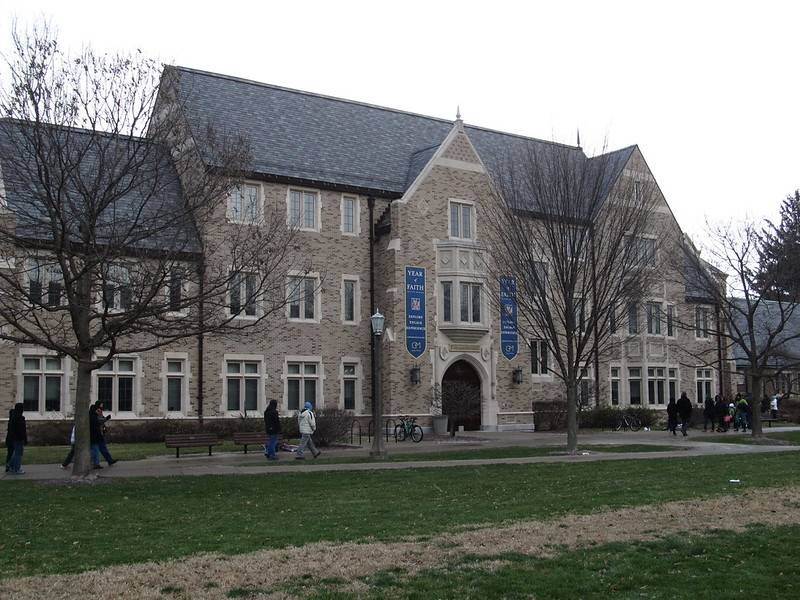
Northern Indiana, including the Michiana region around South Bend, is best known for the University of Notre Dame, with its iconic campus and strong football tradition. The presence of the university gives the area a distinct identity, with research, education, and tourism all playing important roles. College game days and campus events bring in visitors from across the country, which shapes local businesses and culture.
This part of Indiana is also known for its Amish communities, particularly around towns like Shipshewana and Nappanee. Horse‑drawn buggies, hand‑crafted furniture, and homestyle cooking draw visitors looking for a quieter, slower experience. If you enjoy exploring cultural traditions, you might eventually dive into a more specific article on what Indiana is known for in Amish country and heritage, but for now it is enough to note that this is one of the state’s more distinctive cultural pockets.
Northern Indiana also has numerous lakes and small towns that attract people who like fishing, boating, or just being near the water in summer. These are not all big resort destinations, but they create a very particular kind of “lake weekend” rhythm that locals cherish.
West Central Indiana and the Wabash Valley
West central Indiana is known for Purdue University in West Lafayette and the surrounding Lafayette area. Purdue is a major research university with strengths in engineering, agriculture, and technology, and it contributes significantly to the state’s identity in science and innovation. The university also brings in students and professionals from around the world, which gives this region a more international feel than you might expect at first glance.
Beyond Purdue, the Wabash Valley includes smaller cities and towns, some of which are known for historic architecture, covered bridges, and local festivals. The combination of river, farmland, and college town energy makes this part of Indiana a little quieter than Indianapolis but still very connected. It is the kind of area that often appeals to people who like the idea of living near a university without being in a big city.
East and the I‑70 Corridor
Eastern Indiana includes a mix of mid‑sized cities, manufacturing centers, and rural communities. Historically, this area developed around railroads and factories, and some of that industrial base remains, though it has shifted in recent decades. Many towns here are known for affordable housing, strong local identities, and community events that revolve around schools, churches, and high school sports.
Because of its location, the I‑70 corridor offers relatively easy access to both Indianapolis and neighboring states like Ohio. People who move here often mention the balance between lower costs and reasonable access to jobs and amenities. If you ever look for a more focused guide on cost, a piece centered on what Indiana is known for in cost of living would probably highlight several towns in this region.
Southern Indiana and the Ohio River
Southern Indiana is where the terrain shifts into rolling hills, hardwood forests, and scenic valleys. This area is known for Brown County State Park, with its famous fall foliage, and for other parks and forests that offer hiking, mountain biking, and scenic drives. People often say that if you want to challenge your idea of what Indiana looks like, you should come here in October and just drive.
Along the Ohio River, cities and towns pick up a slight riverfront flavor, with historic districts, old brick buildings, and views across the water to Kentucky. Attractions like resort hotels, historic sites, and caves make this a natural region for weekend trips. A future deep‑dive on what Indiana is known for in regions and road trips could easily anchor itself in these southern routes.
Outdoors and State Parks: Nature Indiana Is Known For
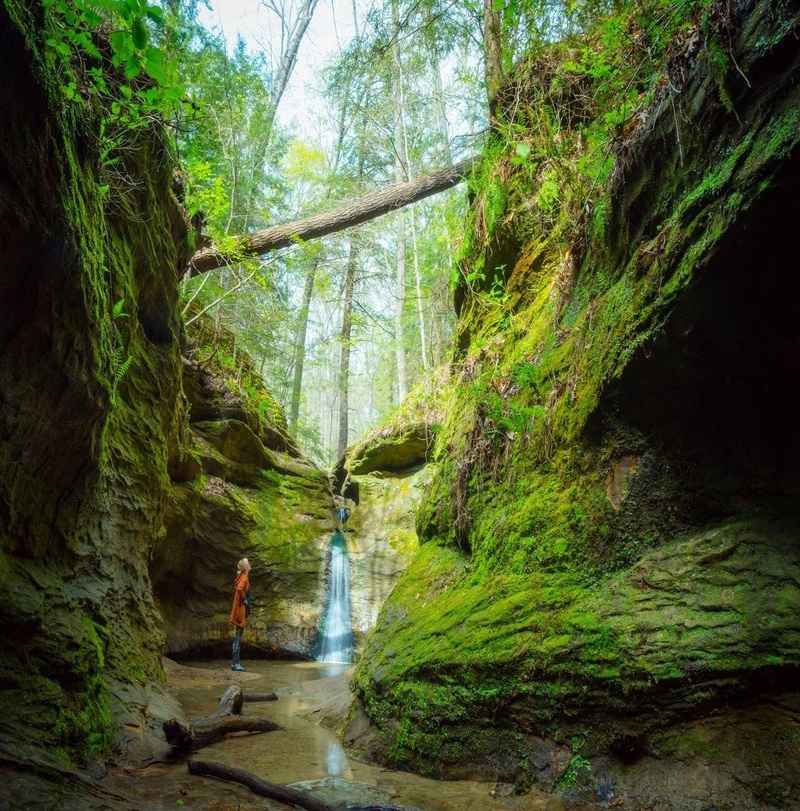
For a state that some people still picture as flat, Indiana is known for a surprisingly wide range of outdoor experiences. There are dunes and beaches in the north, sandstone gorges in the west, rolling hills in the south, and a patchwork of forests, rivers, and lakes in between. It is not a wilderness state on the scale of the Rockies, but it quietly rewards people who like walking, paddling, and camping.
Indiana Dunes National Park gets the most attention, and rightly so, but state parks like Brown County, Turkey Run, and Shades attract devoted fans who return year after year. Hoosier National Forest stretches across parts of southern Indiana, offering longer trails and more remote feeling campsites than most people expect to find there.
There is enough here that it makes sense to have a separate guide just for what Indiana is known for outdoors and protected areas. If you are planning a hiking, camping, or family nature trip, you can explore a dedicated article on what Indiana is known for outdoors and state parks to go deeper.
Food and Drink: What Indiana Is Known For on the Table
When people ask what Indiana is known for in terms of food, there are two answers that tend to come up first: the breaded pork tenderloin sandwich and sugar cream pie. The pork tenderloin sandwich is usually a thin, breaded, fried cutlet that extends well beyond the bun, often with simple toppings like pickles and onions. Sugar cream pie, sometimes called Hoosier pie, is a rich, custard‑like dessert traditionally made with sugar, cream, and a simple crust.
Beyond those classics, Indiana is also known for fresh sweet corn in summer, hearty Midwestern comfort foods, and county fair treats that lean indulgent in all the best ways. In Amish and rural areas, you will find bakeries and family‑style restaurants that focus on simple, home‑cooked meals, with pies, breads, and preserves that feel rooted in farm life. In the cities, the food scene ranges from classic steakhouses to modern brunch spots and globally inspired menus.
Indiana also has a growing craft beer and distilling scene, especially around Indianapolis and some college towns. So if you like pairing a hike with a good local beer, you will not be short on options. For a closer look, you can wander into a more focused piece on what Indiana is known for food and drink, which can highlight specific restaurants, regional specialties, and seasonal food experiences.
Culture, Festivals, and Sports
Culturally, Indiana is known for a blend of small‑town traditions and larger events that draw people from far beyond the state line. The Indianapolis 500 is the headline, but there are also festivals, fairs, and sports seasons that structure the year. You get county fairs with rides and livestock shows, a large state fair, music events, and various local celebrations that often revolve around harvest time or local history.
Sports are woven into daily life. Indiana is known for its love of basketball at every level, from high school gyms to college arenas and professional teams like the Pacers and Fever. Football, soccer, and racing also play big roles, but basketball is the sport people most often associate with the Hoosier identity. College athletics at places like Indiana University, Purdue, and Notre Dame add another layer of tradition and rivalry.
If sports are your main interest, it may eventually be worth diving into a standalone guide on what Indiana is known for in basketball and sports, where things like high‑school tournaments, iconic gyms, and fan culture can get the space they deserve.
Universities and Research: Academic Indiana
For its size, Indiana is known for an impressive cluster of universities. Indiana University, Purdue University, and the University of Notre Dame are the best known, and each one has its own personality, campus culture, and academic strengths. They anchor college towns that mix local traditions with international students and faculty, creating pockets of diversity and innovation.
These universities play a major role in research, particularly in fields like engineering, agriculture, medicine, and business. They also contribute to the state’s economy and workforce, both through their own employment and by spinning off startups and attracting related industries. If academic life or research is important to you, you might look for a dedicated overview of what Indiana is known for in universities and research to compare campuses and programs more directly.
Economy and Jobs: What Indiana Is Known For in Work
Economically, Indiana is known for having a strong manufacturing base. The state’s gross state product is substantial for its size, and a large share of that comes from manufacturing, including automobiles, engines, machinery, and pharmaceuticals. Large employers and industrial clusters are spread across metro areas and smaller cities, which helps keep jobs distributed rather than concentrated only in one place.
At the same time, Indiana has a growing presence in logistics, healthcare, and technology. Its central location and extensive highway network make it attractive for warehouses and distribution centers, while urban areas and college towns are seeing more tech and professional service jobs. For many people considering a move, this mix of stable manufacturing and emerging industries is one of the practical reasons to look more closely at what Indiana is known for in terms of work and opportunity.
Cost of Living and Daily Life
Another thing Indiana is known for, especially among people comparing states, is a relatively moderate cost of living. Housing prices and rents in many Indiana cities and towns tend to be lower than in coastal or major metropolitan areas, while basic expenses like utilities and groceries are often around or slightly below national averages, depending on the exact location. This can make day‑to‑day life feel more manageable, even if wages are also modest.
Of course, there is a lot of variation. Indianapolis and fast‑growing suburbs can be noticeably more expensive than smaller towns or rural counties, and utilities and taxes can vary by jurisdiction. If you are in research mode, it is usually worth digging into a dedicated breakdown of what Indiana is known for in cost of living, especially if you are comparing it to other Midwestern states.
Daily life also depends heavily on the seasons. Summers can be warm and humid, winters cold and sometimes snowy, and spring and fall bring a mix of mild days and storms. Many residents lean into this rhythm, planning summer lake trips, fall hikes, and winter indoor sports or community activities.
History and Heritage: What Indiana Is Known For in the Past
Historically, Indiana is known for its role in westward expansion, the development of the Midwest, and various strands of American social and political history. The state includes sites connected to the Underground Railroad, frontier forts, and early industry. It has also produced notable political figures, including a US president and several vice presidents, along with writers, musicians, and athletes.
Abraham Lincoln spent much of his youth in what is now southern Indiana, and that period of his life is commemorated at historic sites and parks. The state’s museums and historical societies preserve stories from Native American communities, early settlers, industrial workers, and more recent immigrant groups, including a significant Burmese community in cities like Fort Wayne. If you enjoy this side of travel, a separate guide on what Indiana is known for in history and culture can help you plan visits to specific museums, heritage sites, and walking tours.
Living in Indiana: Moving, Neighborhoods, and Lifestyle
When people talk about what Indiana is known for as a place to live, they often mention affordability, family‑friendly communities, and an overall slower pace of life compared to major coastal cities. Many towns and suburbs prioritize schools, youth sports, and local events, while larger cities like Indianapolis offer more nightlife, cultural attractions, and diverse neighborhoods. It is a fairly practical place, in the best sense of the word.
Of course, not everything is perfect. Some regions face economic transitions as manufacturing changes, and there are ongoing conversations about infrastructure, healthcare access, and environmental quality, especially around industrial areas. If you are weighing a move, it helps to read something designed specifically for that decision, like a guide focused on what Indiana is known for when moving and living here, which can look more closely at neighborhoods, commute times, schools, and lifestyle trade‑offs.
Seasonal Rhythm: What Indiana Is Known For in Each Season
Indiana’s four seasons shape what the state is known for throughout the year. In spring, people talk about wildflowers, emerging greenery, and the start of outdoor event season. Summer is dominated by lake days, state parks, festivals, and county fairs. Fall is especially beloved for foliage, harvest events, and that crisp air that makes long walks feel just right. Winter brings basketball season into full swing, holiday events, and a slower pace in many parks and campgrounds.
If you like planning trips around seasons, you might eventually want a more focused overview of what Indiana is known for weekend itineraries, built around spring wildflowers, summer beach days, fall foliage routes, and winter city breaks.
Sample Itineraries: Seeing What Indiana Is Known For
It can be easier to understand what Indiana is known for when you see it laid out as an actual trip. So here are a few simple, flexible ideas that could become longer itineraries later.
- Lake and dunes weekend: Base yourself near Indiana Dunes National Park, spend your days hiking, birdwatching, or relaxing at the beach, and your evenings exploring nearby towns. You can add a day trip into Chicago if you want a contrast between city and shore.
- Indy and Brown County loop: Start in Indianapolis for museums, food, and a walk around downtown, then head south to Brown County State Park for hiking, small‑town browsing, and fall colors if the timing is right. This route gives you a neat mix of what Indiana is known for in both city and countryside.
- Ohio River and hills escape: Follow the southern part of the state along the Ohio River, stopping in historic towns, visiting caves or resorts, and driving through the rolling hills. Add in a local festival or fair if your timing lines up.
Over time, these simple outlines can grow into a dedicated article on what Indiana is known for by region and road trips, with more detail on driving times, lodging options, and stop suggestions.
Frequently Asked Questions About What Indiana Is Known For
Why is Indiana called the Hoosier State?
Indiana is called the Hoosier State, and its residents are known as Hoosiers, but the exact origin of the term is still debated. Several theories exist, ranging from frontier slang to local anecdotes, but none has been proven definitively, which in a way has become part of the charm.
What food is Indiana most known for?
Indiana is most widely known for the breaded pork tenderloin sandwich and sugar cream pie, along with seasonal fresh sweet corn and a range of classic Midwestern comfort foods. In Amish and rural areas, homestyle cooking and baked goods are especially popular with both locals and visitors.
Is Indiana mostly rural?
Indiana has a strong rural and agricultural presence, but most residents actually live in metropolitan and micropolitan counties tied to cities and larger towns. So, while the countryside and farm fields are very real, the state’s population is more urban and suburban than the “all farmland” stereotype suggests.
Is Indiana a good place to live?
Whether Indiana is a good place to live depends on what you value, but many people are drawn by the relatively modest cost of living, family‑oriented communities, and easy access to both cities and nature. Others may weigh concerns like economic transitions in certain regions, winter weather, or the need to drive more than in dense coastal cities.
What is the main thing Indiana is known for?
If a single answer is required, Indiana is best known worldwide for the Indianapolis 500 and its associated motorsports culture. Inside the United States, though, it is just as often associated with basketball, agriculture, and its role as a practical, work‑focused Midwestern state.
Bringing It All Together
So, what is Indiana known for? It is known for a legendary auto race, for gyms full of basketball fans, and for long stretches of farmland under big skies. It is also known for sand dunes on a Great Lake, wooded hills that burn with color in autumn, and small towns where festivals and Friday night games still matter.
Underneath all of that is a fairly steady, unflashy mix of manufacturing, logistics, agriculture, universities, and communities that try to make the most of four distinct seasons. If you are simply visiting, Indiana can surprise you with good food and quietly beautiful landscapes. If you are thinking about living there, it might be worth exploring the more detailed guides on food, parks, history, and moving to see which part of the Hoosier State feels like it could be yours.