
Puerto Rican rum history
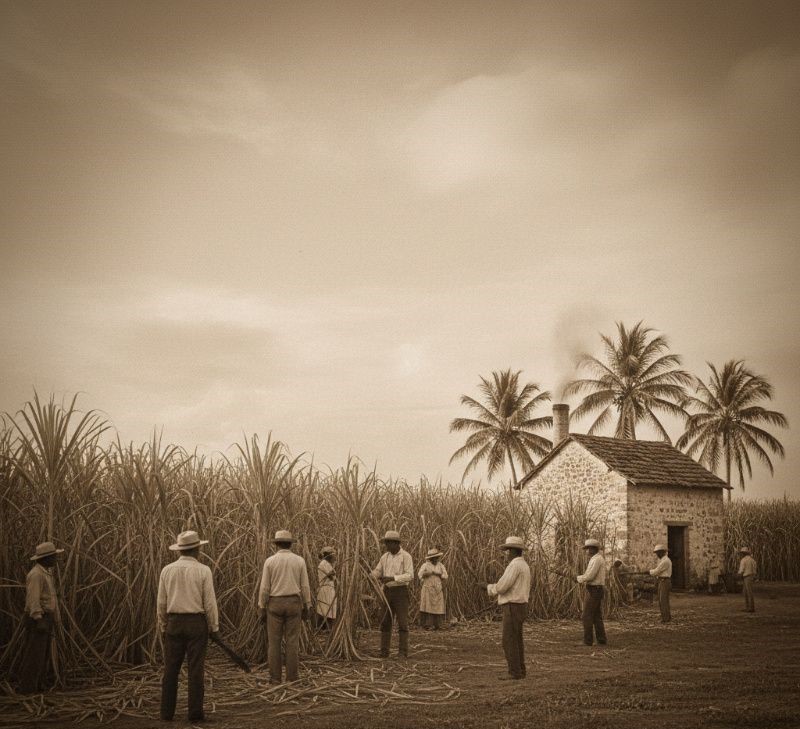
The story starts in the 1500s, when Spanish colonizers planted sugarcane across Puerto Rico’s fertile coasts. Slaves and indentured workers turned those fields into molasses gold, and soon enough, crude stills bubbled up the island’s first rums—fiery, unpolished stuff for sailors and soldiers. Fast forward to the 19th century: sugar boomed, distilleries multiplied, and Ron del Barrilito emerged around 1880 in Bayamón, aging its batches in sherry barrels for a secretive, velvety profile that still feels like a hidden gem.
Prohibition in the 1920s shook things up. Cuba’s rum scene exploded, but when Fidel Castro nationalized distilleries in 1959, Bacardí fled to… well, Puerto Rico, among other spots. They set up in Cataño in the 1930s, building the iconic Casa Bacardí with its bat logo and massive scale. Meanwhile, Destilería Serrallés in Ponce launched Don Q in the 1930s, naming it after Don Quixote for its bold, dreamy spirit. It quickly became the local heavyweight, outselling imports.
By the 1970s, sugar mills dwindled—cheaper imports killed the raw material edge—but rum adapted. In 2008, the “Rums of Puerto Rico” seal mandated at least one year in oak barrels, ensuring quality. Today, craft players like Sonrisa experiment with pot stills, while giants churn out millions of cases. Isn’t it fascinating how exile and economics keep reshaping it? The history feels alive, unfinished—small producers might just steal the spotlight next.
How Puerto Rican rum is made
It all begins with molasses, the sticky byproduct of sugarcane refining. Unlike French agricole rums from fresh juice, Puerto Rican rum favors this deeper, caramelized base—think robust flavor potential. Fermentation happens in massive vats with proprietary yeasts; some distilleries swear by wild strains from the air, adding that unpredictable island funk. Temperatures hover around 30-35°C, churning out a wash around 7-10% ABV.
Here’s the signature: continuous column distillation. Tall steel towers strip the spirit multiple times, yielding a light, clean distillate at 80-95% ABV—perfect for mixing without overpowering other ingredients. Pot stills are rare, but craft spots use them for richer hearts. Aging? Tropical heat accelerates it—white rums rest briefly or skip oak, golds get 1-5 years in ex-bourbon barrels, añejos go longer, often blended for consistency.
The art of Puerto Rican rum distillation
Charcoal filtration polishes many expressions, mellowing harsh edges but sparking debate—does it strip character? Bacardí says yes to clarity; Barrilito skips it for soul. Blending masters taste thousands of barrels yearly, marrying lots for house style. The result: rums that evolve in the glass, with vanilla, coconut, and spice emerging over time. I think the tropical aging gives them an edge—it’s like the island infuses every drop. Small tweaks, like sherry casks at Barrilito, add dried fruit notes that linger.

Best Puerto Rican rums by brand
Bacardí dominates with sheer volume—over 200 million liters yearly from Cataño. Their Superior White is the mixer king: crisp apple and lime for daiquiris. But dig deeper: Reserva Ocho (8 years) brings oak and tobacco, a sipper in disguise. Don Q, from Ponce’s hacienda-style Serrallés, feels more intimate. Cristal white is everyday magic at $12 a liter; Gran Añejo (7 years minimum) offers caramel silk for $40.
Ron del Barrilito? Pure romance. Since the 1880s, they age in used sherry and bourbon casks—no filtration, hand-bottled. The 2-star (5 years) is entry-level poetry; 3-star (8 years) my personal favorite, with raisin and nutmeg that unfolds slowly. Then Havana Club’s Puerto Rican arm—Bacardí’s nod to Cuban roots. Añejo Clásico evokes pineapple and vanilla, ideal for old fashioneds.
Craft waves bring Trigo (unfiltered agricole twists) and Club Caribe. For the full lineup, check our detailed reviews in best Puerto Rican rums to buy now.
| Brand | Distillery | Style/Key Expression | Typical Age | Best For | Price Tier (USD) | Notes |
|---|---|---|---|---|---|---|
| Bacardí | Cataño | Superior White | Unaged | Cocktails | $15-20 | Crisp, versatile mixer |
| Don Q | Serrallés, Ponce | Cristal/Gran Añejo | 1-25 yrs | Mixing/Sipping | $12-50 | Smooth oak, local pride |
| Ron del Barrilito | Bayamón | 2-Star/3-Star | 5-8 yrs | Sipping neat | $25-40 | Sherry depth, unfiltered |
| Havana Club PR | Puerto Rico | Añejo Clásico | 1-3 yrs | Old fashioneds | $20-25 | Cuban-inspired fruit |
Puerto Rican rum tasting guide
Tasting rum isn’t rocket science, but a little method elevates it. Start at room temp—no ice yet. Swirl in a Glencairn glass: nose for primary aromas (vanilla, banana from esters), then secondary (oak, spice). Sip small; let it coat your palate. Note the attack (sweet?), mid-palate (fruit or earth?), and finish (clean fade or warm linger?). Pair whites with seafood, aged with chocolate or aged cheeses. Chichaito—Barrilito with coffee liqueur—is a must-try shot.
Home setup: Line up 4-6 bottles, tasting whites to darks. Water drops open them up. Pro tip: I once chilled a Barrilito too much; flavors hid. For tours, see our Puerto Rican rum tasting tours guide. It’s tactile, personal—almost meditative.

Rum tourism in Puerto Rico
Puerto Rico’s distilleries are pilgrimage sites. Casa Bacardí in Cataño offers bat lore, blending demos, and fruity punches—book the premium tour for barrel selection. Serrallés in Ponce feels like a working farm: hacienda vibes, Don Q museum, even a cathedral view. Ron del Barrilito’s Bayamón cellar is intimate; taste starside by candlelight.
Old San Juan’s cobblestone bars pour flights—La Factoria slings creative mixes. Festivals like San Juan Rum Fest (May) draw masters. Logistics: Rent a car or Uber; tours run $20-50. That humid Ponce drive? Sweaty but soulful. Pro travelers hit all three in a day trip from San Juan.
Cocktail recipes & buyer’s guide
Piña colada: 2 oz Don Q white, 1 oz coconut cream, 2 oz pineapple juice—blend with ice. Birthplace: Caribe Hilton, 1954. Coquito for Christmas: Rum, coconut milk, condensed milk, spices—chill overnight. Daiquiri with Bacardí Superior: lime, sugar, shake fierce.
Buyer’s picks: Budget ($10-20): Don Q Cristal. Mid ($20-40): Barrilito 2-star. Splurge ($50+): Don Q Gran Añejo. Duty-free at SJU shines. For home mixes, dive into Puerto Rican rum cocktails for home. Experiment—maybe tweak that coquito with Barrilito for depth.
Wrapping up Puerto Rican rum
Puerto Rican rum endures because it’s both everyday joy and quiet luxury—from beach buckets to neat pours by firelight. Its light body invites everyone, while history and craft reward the curious. Next time you mix one, taste the island. Grab a bottle, plan a tasting tour, or riff on a cocktail. What’s your first pour?