

I’ll be completely honest—the first time I visited Magnolia Plantation, I was a bit overwhelmed. There’s just so much to see and do that I felt like I was missing something important with every step I took. Six miles of trails, multiple tour options, gardens that change dramatically with the seasons—it’s a lot to take in, especially if you’re trying to squeeze it into a few hours.
After several visits though, I’ve figured out how to make the most of this incredible place. Founded in 1676, Magnolia is one of the oldest plantations in the South and quite possibly the most visitor-friendly. The Drayton family has owned it for over 340 years, and they’ve turned it into what feels like Charleston’s ultimate garden experience.
This guide covers everything I wish I’d known before my first visit—from which tours are actually worth your time to where you’ll find those Instagram-worthy photo spots. Whether you’re planning a quick morning visit or want to spend an entire day exploring, I’ve got you covered. For context on how Magnolia fits into the broader Charleston plantation experience, check out our complete Charleston plantations guide.
Understanding Magnolia’s Layout and Size

Before we dive into specifics, let me help you wrap your head around Magnolia’s scope. We’re talking about over 600 acres here, with gardens that were initially designed in the 1840s by John Drayton for his new wife. The romantic-style gardens—meaning they’re more naturalistic rather than formal—have been evolving ever since.
The plantation includes several distinct areas: the formal gardens near the entrance, the Audubon Swamp Garden (a 60-acre blackwater cypress swamp), nature trails that wind through different ecosystems, a wildlife center, and the historic house itself. Plus there are those famous bridges everyone photographs.
Here’s what I learned the hard way—you can’t see everything properly in just a couple hours. I tried on my second visit and ended up feeling rushed and cranky. Plan for at least half a day, and honestly, a full day isn’t excessive if you want to really absorb the experience.
Admission, Hours, and Pricing
Magnolia is open daily from 9 AM to 5 PM year-round, except for Thanksgiving, Christmas, and New Year’s Day. The hours shift slightly during winter months (8:30 AM to 4:30 PM from November through February), so double-check if you’re visiting during the cooler season.
Current admission prices run around $32 for adults, with discounts for seniors, military, and children. Kids under 4 get in free, which is nice for families. Pro tip: buying tickets online saves you a few dollars compared to gate prices, and during peak bloom season, it’s smart to have tickets in advance anyway.
The basic admission includes access to all the gardens, trails, nature center, and wildlife center. House tours, nature train rides, and specialized tours cost extra—we’ll talk about whether they’re worth it in a minute.
Seasonal Timing Considerations
When you visit makes a huge difference at Magnolia. The azaleas and camellias are what most people come for, and timing those blooms is crucial. Our detailed seasonal guide breaks this down completely, but here’s the quick version:
Late February through March is camellia season—those were supposedly the first camellias planted in America, so there’s some historical significance there. March through April is peak azalea time, when those famous tunnel-like paths become absolutely spectacular. May brings late spring blooms, while summer focuses more on the swamp garden’s wildlife activity.
I’ve been there during off-season too, and while it lacks the dramatic blooms, there’s something peaceful about winter visits. Plus, you’ll practically have the place to yourself.
The House Tours: Worth It or Skip It?
The Magnolia House tour runs multiple times daily (9:30, 10:30, 11:30, 1:00, 2:00, and 3:00) and costs extra beyond admission. The current house is actually the third one built on the property—the first two didn’t survive various disasters over the centuries.
Is it worth the additional cost? Well, it depends on what you’re after. The tour provides good historical context about the Drayton family and includes information about enslaved people who lived and worked here. The house itself isn’t as architecturally significant as some other Charleston plantation homes, but the stories are compelling.
If you’re short on time or budget, I’d honestly prioritize the gardens and nature areas. But if you’re interested in the complete historical picture, the house tour adds valuable context to what you’ll see outside.
The Nature Train: Actually Pretty Great
I was skeptical about the Nature Train at first—it seemed a bit touristy. But after trying it, I’m a convert, especially if you’re visiting during warmer months or have mobility concerns.
The 45-minute narrated ride covers parts of the property you might not otherwise explore, including areas of the Audubon Swamp Garden where you’re likely to spot alligators, herons, and other wildlife. The guide provides historical context and points out plants and animals you might miss on your own.
For families with kids, this is probably your best bet. Little ones stay engaged, and you cover a lot of ground without wearing everyone out. The train runs regularly throughout the day, though schedules can vary seasonally.
Exploring the Gardens: What Not to Miss
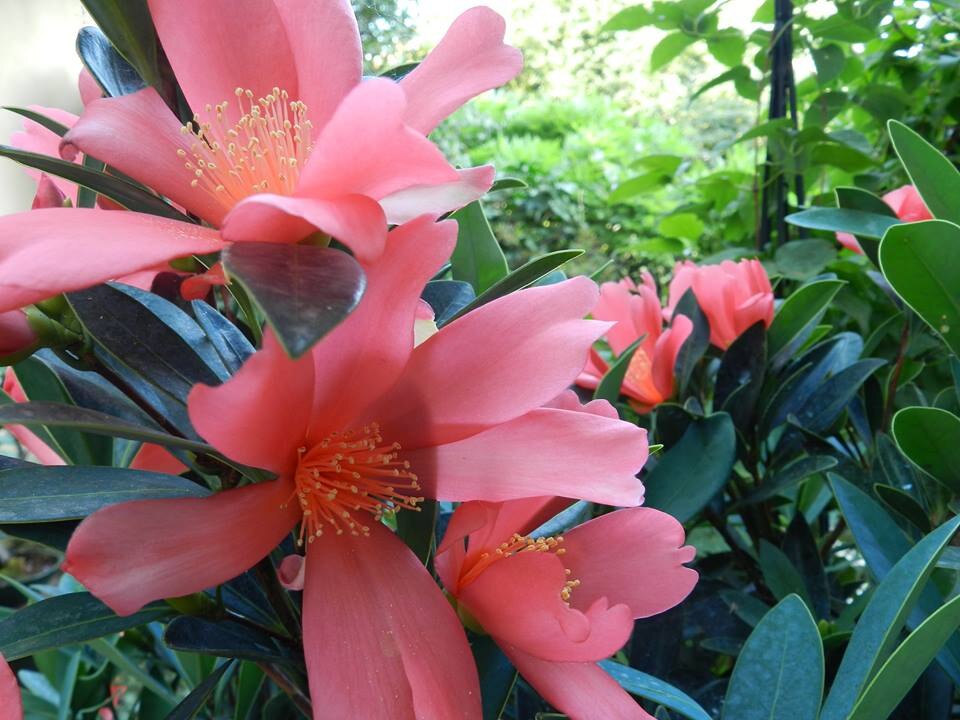
The Azalea and Camellia Collections
These are the stars of the show, at least during bloom season. John Drayton planted the first azaleas here in the 1840s, creating what became known as America’s first azalea garden. The romantic-style planting means they’re arranged more naturally than you’ll find at formal gardens.
During peak bloom, certain paths become almost tunnel-like with overhanging flowers. The most photographed spots are along the main garden paths near the entrance, but honestly, some of the most beautiful areas are deeper in the gardens where fewer people venture.
The camellia collection blooms earlier, typically late February into March. These ancient specimens create a different but equally stunning display, especially on misty mornings.
The Famous Bridges and Photo Spots
Everyone talks about the Long White Bridge over Big Cypress Lake, and yeah, it’s gorgeous, especially with its reflection in the water. But there are several other bridges worth seeking out too.
The Bamboo Garden Bridge is this steep, arched red bridge that creates dramatic photos but can be challenging to navigate with strollers or mobility issues. The Redwood Bridge near the entrance provides access to the Historic River Walk along the Ashley River.
Pro photography tip: early morning light creates the best reflections on the water, and you’ll have fewer people in your shots. Late afternoon can be beautiful too, but it gets crowded during peak season.
The Audubon Swamp Garden
This is where Magnolia gets wild—literally. The 60-acre blackwater cypress swamp showcases the natural Lowcountry ecosystem, complete with alligators, turtles, herons, and countless bird species.
The boardwalk system lets you explore safely, though I’ll admit seeing alligators just a few feet away takes some getting used to. They’re generally pretty sleepy during cooler months, but summer visits can be more active.
This area is particularly good for wildlife photography, especially early morning or late afternoon when animals are more active. Bring a zoom lens if you’re serious about capturing wildlife shots.
The “From Slavery to Freedom” Tour

This 45-minute tour focuses on five original 1850s slave cabins that remain on the property. It’s heavy content, as it should be, covering Charleston’s role in the slave trade and the experiences of enslaved Gullah people who worked the rice fields.
The tour doesn’t sugarcoat the realities of plantation life, and it provides crucial historical context that many plantation visits skip over. If you’re interested in understanding the complete story of these places, not just their architectural and garden beauty, this tour is important.
The cabins were occupied through the 1990s by African American garden workers, which adds another layer to the historical narrative about continuity and change over time.
Wildlife Center and Other Attractions
The Wildlife Center houses rescued native animals including red foxes, bobcats, alligators, and various birds of prey. Many of these animals can’t be released back to the wild, so Magnolia provides them sanctuary.
There’s also a reptile house where you can safely encounter native turtles and snakes. For families with kids, this often ends up being a highlight of the visit.
The Peacock Cafe serves snacks, beverages, wine, and beer if you need refreshments during your visit. It’s not gourmet dining, but it’s convenient for a quick break.
Practical Visiting Tips
What to Wear and Bring
Comfortable walking shoes are non-negotiable—you’ll be doing a lot of walking on various surfaces, from paved paths to wooden boardwalks. During spring bloom season, I’d also recommend bringing allergy medication if you’re sensitive to pollen.
Bug spray during warmer months, especially if you’re planning to explore the swamp areas. Sunscreen is important too, as many paths don’t offer much shade.
A camera, obviously, but also consider binoculars for wildlife viewing in the swamp garden. The plantation app for your phone includes maps and points of interest that can be helpful for navigation.
Parking and Arrival
Free parking is available on-site, but it can fill up during peak bloom season, especially on weekends. Arriving when they open at 9 AM gives you the best chance of close parking and fewer crowds for photography.
The plantation is located at 3550 Ashley River Road, about 30 minutes from downtown Charleston depending on traffic. It’s easy to combine with visits to other Ashley River plantations like Middleton Place or Drayton Hall.
Accessibility Considerations
Most main garden paths are accessible, though some of the more remote trails and bridges aren’t suitable for wheelchairs or mobility scooters. The Nature Train is wheelchair accessible and covers areas that might be difficult to reach on foot.
Service animals are welcome, but pets aren’t allowed on tours (they can explore the gardens on leash though).
How Much Time to Spend
This really depends on your interests and energy level. A quick highlights tour—main gardens, maybe one of the famous bridges, a peek at the wildlife center—can be done in 2-3 hours. But honestly, that feels rushed to me.
A comfortable visit with one or two tours, time to explore both the formal gardens and swamp areas, and maybe a break at the cafe, easily takes 4-6 hours. If you’re a serious garden enthusiast or photographer, you could spend an entire day here without getting bored.
During peak bloom season, I’d recommend starting early and planning for the longer visit. The gardens are just too spectacular to rush through when everything’s flowering.
Combining with Other Charleston Plantations
Magnolia works well as part of a larger plantation tour, but I wouldn’t try to squeeze in more than one major plantation per day. The Ashley River Road plantation corridor includes Middleton Place and Drayton Hall, both excellent but very different in focus.
If you’re planning multiple plantation visits, check our pricing and booking guide for potential combination ticket savings. Some tour companies offer packages that include transportation between sites.
My Personal Recommendations
After several visits, here’s my optimal Magnolia experience: arrive when they open, start with the gardens near the entrance to get those classic photos with good light and fewer crowds, take the Nature Train tour mid-morning, explore the swamp garden on foot, grab lunch at the cafe, then spend the afternoon in the more remote garden areas.
If you’re visiting during bloom season, focus your photography efforts early in the day. The light is better, and you won’t be fighting crowds for the best viewpoints.
Don’t skip the swamp garden even if it seems less impressive than the formal gardens. It’s a completely different ecosystem and offers wildlife viewing opportunities you won’t find anywhere else in the Charleston area.
And honestly? Give yourself permission to sit and just absorb the place. Find a quiet spot along the Ashley River or in one of the more secluded garden areas, and just take it in. These places have witnessed centuries of history—there’s something powerful about slowing down enough to feel that.
Magnolia Plantation offers one of the most complete garden experiences in the Southeast. Yes, it can feel overwhelming with all the options, but that’s also what makes it special. Whether it becomes your only Charleston plantation visit or part of a larger historical tour, you’re in for something memorable.