Charleston, South Carolina—honestly, where do I even begin? This city just draws you in with its cobblestone streets and those gorgeous historic homes that seem to whisper stories from centuries past. But perhaps what struck me most during my visits were the plantations scattered around the area. They’re not just beautiful (though they absolutely are), they’re complex windows into our past that, well, they make you think.
I’ve spent considerable time exploring these sites, and I think what makes them so compelling is how they balance natural beauty with profound historical significance. Some visitors come for the gardens—and trust me, places like Magnolia will take your breath away in spring. Others come seeking to understand the complicated history of the South. Most of us, I suspect, come for a bit of both.
This guide covers ten plantations that I believe offer the most comprehensive experience of what Charleston’s plantation country has to offer. Whether you’re interested in stunning architecture, breathtaking gardens, or important historical education, these sites deliver. Planning when to visit can make or break your experience, so I’d recommend checking seasonal timing before you go.
Magnolia Plantation and Gardens

Historical Background
Founded in 1676 by the Drayton family, Magnolia Plantation stands as one of the oldest plantations in the South. The Drayton legacy runs deep here—ten generations deep, actually. What’s remarkable is how this family’s story intertwines with American history itself, from colonial times straight through the Civil War and into our modern era.
The plantation has witnessed everything, really. Colonial expansion, the Revolutionary War, the height of the antebellum period, and the devastation of the Civil War. Perhaps that’s what gives it such gravitas when you walk the grounds.
Notable Gardens and Landscapes
Now, the gardens—this is where Magnolia truly shines. They were initially designed back in the 1680s, but honestly, calling them “designed” feels almost too formal. They’ve evolved organically over centuries, and I think that’s part of their charm.
The azalea and camellia collections are, without exaggeration, some of the most spectacular in America. I’ve visited in late February when the camellias are blooming, and again in March when the azaleas explode in color—both experiences left me speechless. The timing matters enormously, though. Our detailed Magnolia guide breaks down exactly when to visit for the best blooms.
The Audubon Swamp Garden offers something completely different. It’s a 60-acre blackwater cypress and tupelo swamp where you might spot alligators sunning themselves or herons fishing in the shallows. The Biblical Garden, featuring plants mentioned in scripture, adds an unexpectedly spiritual dimension to the experience.
Visitor Tips and Tour Options
Magnolia offers several tour options, and honestly, I’d recommend doing more than one if you have time. The house tours provide insight into the Drayton family history, while the garden tours focus on the horticultural significance. The Nature Train tour is particularly good if you’re traveling with kids—it covers a lot of ground without wearing out little legs.
Pro tip from my visits: arrive early, especially during peak bloom season. The gardens are stunning in morning light, and you’ll avoid the crowds that build up after 10 AM.
Boone Hall Plantation
Historical Significance
Established in 1681, Boone Hall has the distinction of being one of America’s oldest working plantations. Yes, working—they still produce crops today, though it’s strawberries and blueberries now instead of cotton. There’s something both fascinating and, I’ll admit, slightly unsettling about this continuity.
The plantation spans over 738 acres and has been producing agricultural goods for more than 340 years. That’s an almost incomprehensible stretch of time when you really think about it.
Key Features and Attractions
The Avenue of Oaks is probably what you’ve seen in photos—that iconic three-quarter-mile approach lined with massive live oaks dripping with Spanish moss. It’s been featured in countless movies and, honestly, no photograph does it justice. The trees were planted in 1743, so you’re looking at nearly 300 years of growth.
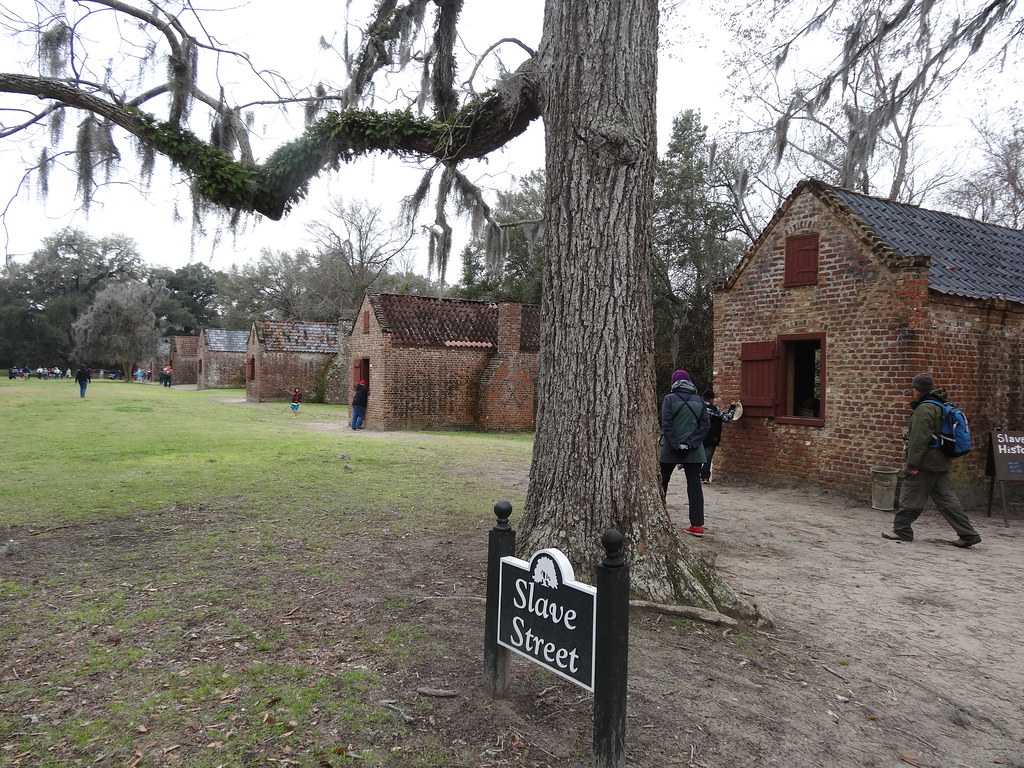
But perhaps more importantly, Boone Hall preserves nine original slave cabins from the 1790s. These aren’t reconstructions—they’re the actual buildings where enslaved people lived and raised their families. Walking through them is a sobering experience that provides crucial context about the human cost of the plantation system.
The main house, built in 1936, represents the Colonial Revival style rather than original plantation architecture. Some visitors find this disappointing, but I think it tells its own story about how we’ve romanticized plantation life over the decades.
Visitor Information and Special Events
Boone Hall hosts events throughout the year—the Scottish Games in spring, Fright Nights during Halloween, and various seasonal festivals. If you’re traveling with children, these events can make the historical content more engaging for young minds.
The plantation offers comprehensive tours that don’t shy away from difficult histories. They’ve made significant efforts in recent years to tell more complete stories, including the experiences of enslaved people who lived and worked here.
Middleton Place
Historical Overview
Middleton Place holds the distinction of being home to America’s oldest landscaped gardens, laid out in 1741. The Middleton family were significant figures in American history—Arthur Middleton signed the Declaration of Independence, and his father Henry was president of the First Continental Congress.
The plantation suffered extensive damage during the Civil War when Union troops burned the main house, leaving only the south wing standing. Perhaps that destruction adds to the poignancy of what remains.
Gardens and Landscape Design
The gardens at Middleton Place represent formal European garden design adapted to the American South. The terraced lawns descend in perfect symmetry toward the Ashley River—it’s a breathtaking sight that changes dramatically with the seasons and time of day.
What strikes me most about these gardens is their mathematical precision. Every angle, every vista was carefully planned. The butterfly-shaped ponds, the camellia allées, the rice mill pond—everything serves both aesthetic and practical purposes.
The camellia collection includes some of the first specimens brought to America. Walking among these ancient trees, especially during their winter blooming season, feels like stepping back in time.
Visitor Experience and Tour Options
The house museum contains an impressive collection of family furnishings, silver, and porcelain. But honestly, I found the stableyards even more fascinating. Here, costumed interpreters demonstrate traditional crafts—blacksmithing, pottery, weaving. It’s living history that helps you understand how plantations actually functioned.
The restaurant on-site serves Lowcountry cuisine, and I’d recommend staying for lunch if your schedule allows. There’s something special about dining in such a historically significant setting.
Drayton Hall

Historical Significance
Built in 1738, Drayton Hall represents something unique in American historic preservation—a plantation house that has remained virtually unchanged for nearly 300 years. No electricity, no plumbing, no modern “improvements.” What you see is essentially what 18th-century residents would have experienced.
This commitment to preservation means Drayton Hall offers perhaps the most authentic plantation house experience available anywhere in the South. It survived the Revolutionary War, the Civil War, earthquakes, and hurricanes—that it’s still standing feels almost miraculous.
Architectural Features
The Georgian-Palladian architecture at Drayton Hall is simply magnificent. The two-story great hall with its hand-carved woodwork and elaborate plaster ceiling represents some of the finest craftsmanship of colonial America.
What fascinates me are the details that reveal how people actually lived here. The original heart pine floors show wear patterns from centuries of footsteps. The hand-carved mahogany staircase still bears tool marks from its 18th-century creators.
The exterior is equally impressive—the double-story portico overlooks the Ashley River, providing views that have remained essentially unchanged for nearly three centuries.
Visitor Information and Preservation Efforts
Drayton Hall’s commitment to preservation is remarkable, and frankly, sometimes controversial. They’ve chosen authenticity over comfort, which means guided tours only and careful climate control to protect original materials.
The archaeological program here has uncovered fascinating insights into plantation life, including the locations of slave quarters and work buildings. Recent excavations have revealed details about the lives of enslaved people that documentary records often omitted.
McLeod Plantation Historic Site
Historical Background
Established in 1851 on James Island, McLeod Plantation tells a different story than many Charleston-area plantations. It focuses specifically on the African American experience, from slavery through Reconstruction and beyond.
During the Civil War, the plantation was occupied by Union forces and became a refugee camp for formerly enslaved people. This history makes McLeod particularly significant for understanding the transition from slavery to freedom.
Key Features and Visitor Highlights
The main house, while architecturally significant, isn’t really the star here. Instead, the preserved slave cabins and the Praise House take center stage. The Praise House, where enslaved people held religious services, still contains original wooden pews and feels incredibly sacred.
The Transition Row cabins tell the story of Reconstruction, when formerly enslaved people continued to live and work on the plantation as tenant farmers. It’s a complicated history that many sites gloss over, but McLeod confronts it directly.
Visitor Information and Educational Tours
McLeod’s tours don’t sugarcoat difficult histories. They focus on individual stories and personal experiences, making the broader historical context more relatable and impactful. Understanding this complete historical context is crucial for anyone serious about comprehending the plantation system’s lasting impact.
The interpretive programs here often feature discussions of Gullah culture and its preservation. The Gullah people, descendants of enslaved Africans, maintained many traditional practices and created a unique creole language that persists today.
Hampton Plantation State Historic Site
Historical Significance
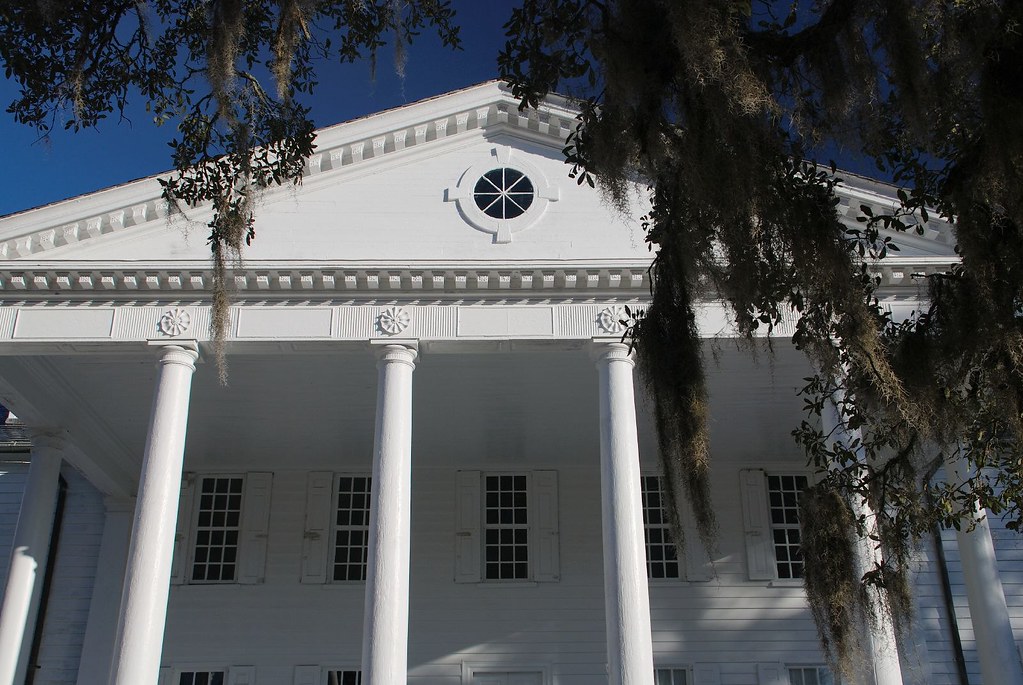
Hampton Plantation dates to the 1730s and centers around a magnificent Georgian mansion completed around 1750. The plantation was once a thriving rice operation, taking advantage of the tidal flows along the South Santee River.
Perhaps most famously, George Washington visited in 1791 during his presidential tour of the South. Family legend claims he requested that a large oak tree be preserved—and remarkably, the Washington Oak still stands today.
Key Features and Natural Surroundings
The mansion itself is beautifully preserved, with period furnishings that help you imagine how the wealthy planter class lived. But honestly, I was equally impressed by the natural setting. Ancient live oaks create cathedral-like canopies throughout the grounds.
The nature trails wind through various ecosystems—from manicured grounds near the house to wilder areas along the river. I particularly enjoyed the walk to the rice fields, where you can still see remnants of the intricate irrigation systems that made Carolina rice cultivation possible.
Visitor Information and Guided Tours
Hampton offers both house tours and self-guided nature walks. The house tours provide excellent historical context, while the grounds are perfect for a peaceful stroll. The combination works well if you want both education and relaxation.
The site hosts special events throughout the year, including historical reenactments and educational programs. Check their schedule before visiting—these events can significantly enhance your experience.
Charleston Tea Garden
Historical Overview
Something completely different now—the Charleston Tea Garden on Wadmalaw Island represents modern agricultural innovation rather than historical preservation. Established in 1987, it’s the only tea plantation in North America, continuing the Lowcountry’s agricultural traditions in an entirely new direction.
The story of how tea came to be grown successfully in South Carolina is fascinating, involving years of experimentation with different varieties and growing techniques. Who knew that tea plants could thrive in our humid climate?
Tea Production and Visitor Experience
The 127-acre farm grows several varieties of Camellia sinensis, the plant from which all true teas are made. Watching the mechanical harvester work through the neat rows of tea bushes is surprisingly mesmerizing.
The factory tour shows the entire process from fresh leaf to finished product. I was amazed to learn how different processing methods create green, oolong, and black teas from the same plant. The tasting room lets you sample their various products, and I’ll admit I left with several bags of their signature blends.
Tour Options and Visitor Information
The trolley tour covers the plantation grounds and provides an overview of tea cultivation. The factory tour is more detailed and technical—perfect if you’re curious about agricultural processes. Combined, they take about two hours, making this a nice half-day excursion.
The gift shop stocks not only their teas but also tea-related accessories and local products. It’s worth noting that current admission prices and tour times vary seasonally, so check their website before visiting.
Hopsewee Plantation
Historical Significance
Built in the early 1740s, Hopsewee represents one of the finest examples of a colonial rice plantation house. It was the birthplace of Thomas Lynch Jr., South Carolina’s youngest signer of the Declaration of Independence—he was only 27 when he signed.
The plantation sits along the North Santee River, where the tidal flows were essential for rice cultivation. The house itself has been remarkably well preserved, with many original features intact.
Key Features and Visitor Highlights
Hopsewee’s main house contains period furnishings and family portraits that help bring the colonial era to life. The riverside location provides beautiful views and peaceful picnic spots—I spent a lovely afternoon there just watching the river flow by.
The tea room serves traditional Southern refreshments, including their famous green tomato relish. There’s something delightful about taking tea in such a historically significant setting, even if the custom might not be entirely period-appropriate.
Visitor Information and Tour Details
The guided house tours focus on both architecture and family history, while the grounds are perfect for self-guided exploration. Hopsewee also offers specialized tours focusing on Gullah culture and the African American experience.
Special events throughout the year include the Harvest Tea and various historical programs. The site feels more intimate than some of the larger plantations, which can be appealing if you prefer a quieter, more personal experience.
The Charleston Museum’s Historic Houses
Historical Background
The Charleston Museum manages three significant historic houses that provide different perspectives on Charleston life: the Heyward-Washington House, the Joseph Manigault House, and the Aiken-Rhett House. Each tells a distinct story about different social classes and historical periods.
These aren’t plantations in the traditional sense, but they’re crucial for understanding the urban context in which the plantation system operated. Charleston’s wealthy merchants and planters maintained city residences as well as country estates.
Key Features of the Historic Houses
The Heyward-Washington House is famous as George Washington’s residence during his 1791 Charleston visit. The house showcases the lifestyle of a wealthy rice planter family, with period furnishings and decorative arts.
The Joseph Manigault House represents Federal-style architecture at its finest. The three-story home contains an impressive collection of Charleston-made furniture and decorative objects.
The Aiken-Rhett House offers perhaps the most complete picture of urban plantation life. The house is preserved essentially as it was when the family stopped using it, showing both the opulent main residence and the work areas where enslaved people labored.
Visitor Information and Special Exhibitions
Each house offers guided tours, but the Aiken-Rhett House is particularly remarkable because it hasn’t been “restored” to pristine condition. The peeling wallpaper and worn floors tell their own story about the passage of time.
The museum regularly rotates special exhibitions that provide deeper context about specific aspects of Charleston history. Their educational programs often explore topics like furniture making, silver smithing, and other decorative arts that flourished in colonial Charleston.
Old Slave Mart Museum
Historical Context
Located in downtown Charleston, the Old Slave Mart Museum occupies one of the few remaining structures that served as a slave auction site. This isn’t a plantation, but it’s essential for understanding how the entire system functioned.
Charleston was the largest slave port in North America, and an estimated 40% of enslaved Africans entered the country through this city. The museum confronts this history directly, without romanticization or euphemism.
Key Exhibits and Visitor Experience
The museum’s exhibits detail the transatlantic slave trade, the Middle Passage, and the auction process that separated families and destroyed lives. It’s difficult content, as it should be.
Personal narratives and artifacts help visitors understand individual experiences within this vast system of human trafficking. The museum doesn’t shy away from the economic calculations that treated human beings as property.
Educational Tours and Visitor Information
The museum offers self-guided tours that allow visitors to absorb this difficult history at their own pace. Educational programs and workshops provide deeper understanding and encourage meaningful discussions about slavery’s lasting impact.
I’d recommend visiting the Old Slave Mart early in your Charleston plantation tour. It provides crucial context for understanding what you’ll see at the plantation sites themselves.
Planning Your Plantation Tour
After visiting all these sites multiple times, I’ve learned a few things about planning an effective plantation tour. First, don’t try to see everything in one day—you’ll end up exhausted and won’t fully appreciate any single site.
I’d suggest grouping geographically close plantations and allowing time for reflection between visits. The history here is complex and sometimes overwhelming. If you’re traveling with children, choose sites with interactive elements and plan shorter visits.
Spring is undoubtedly the most popular time to visit, when the gardens are in bloom. But honestly, each season offers something different. Winter visits can be more contemplative, with fewer crowds and different perspectives on the landscapes.
Current pricing and booking information varies significantly between sites, so plan your budget accordingly. Many plantations offer combination tickets or annual passes if you’re planning multiple visits.
Final Thoughts
Charleston’s plantations offer something I haven’t found anywhere else—a combination of extraordinary natural beauty and profound historical significance that forces you to grapple with the complexities of American history. They’re not simple tourist attractions; they’re places that demand thoughtful engagement.
I keep returning to these sites because they reveal new layers with each visit. Perhaps it’s the changing light on Middleton Place’s terraced lawns, or a new understanding gained from conversations with tour guides, or simply the quiet moments of reflection in gardens that have witnessed centuries of human experience.
These plantations preserve landscapes of remarkable beauty, but they also preserve stories—some celebratory, others tragic, all essential for understanding how we became who we are today. I think that’s what makes them so powerful, and so necessary.
Whether you come for the gardens, the architecture, or the history—or like most of us, for all three—Charleston’s plantations will leave you with much to contemplate long after you’ve returned home.