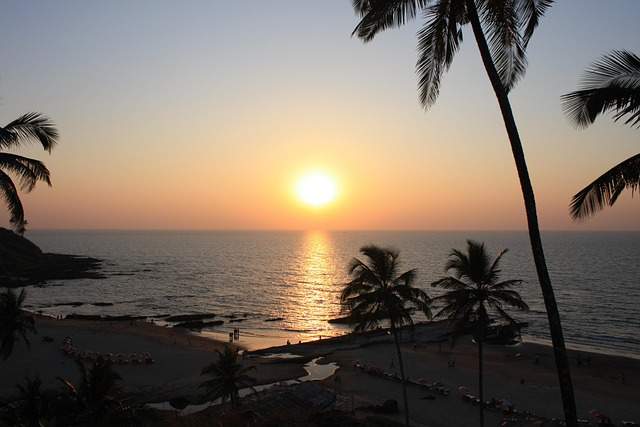

Start Here: Is Komodo Island Right for You?
Quick gut-check. Komodo Island is spectacular but it’s an outdoor trip—boats, sun, some currents, dusty steps, and early wake-ups for sunrise viewpoints. If that sounds energizing, perfect. If you’re sensitive to motion, pick a larger liveaboard or a slower-paced plan, and keep a buffer day on each side. It’s not a race; it’s a rhythm.
Who tends to love Komodo Island: ocean lovers, wildlife enthusiasts, photographers chasing dramatic ridgelines, and anyone who enjoys a little unpredictability in the best possible way. Who should fine-tune the plan: families with very young kids, first-time snorkelers (it’s doable, just choose gentler bays), and anyone who prefers elevators to steps—Padar can be steep in spots.
Komodo Island at a Glance: Essentials
- Gateway: Labuan Bajo (LBJ), Flores. Most boats start here. Flights from Bali and Jakarta are frequent in season.
- Where you’ll go: Komodo Island (dragons), Rinca Island (often more reliable sightings), Padar Island (iconic viewpoint), plus reefs, sandbars, and pink beaches around the park.
- Trip styles: Speedboat day trip, 2–4 day liveaboard (traditional phinisi or modern boats), or a mix with a night in town.
- Pace: Early starts, strong midday sun, and tidal timing matter. A flexible attitude pays off.
When to Go: Seasons, Wildlife, and Crowds
Dry season runs roughly April to November—clear skies, better visibility, and livelier visitor flow. Shoulder months can be sweet spots: fewer crowds but still kind seas. The wet season (December to March) brings rain bursts, lusher hills, and some trip reshuffles; you might trade the crowds for softer light and quieter bays.
Manta encounters are possible year-round, but sightings swing with plankton blooms and currents. If manta rays are top priority, allow at least one extra day so the crew can adapt routes. Weekday departures often mean slightly fewer boats at headline sites; it’s a small lever, but it helps.
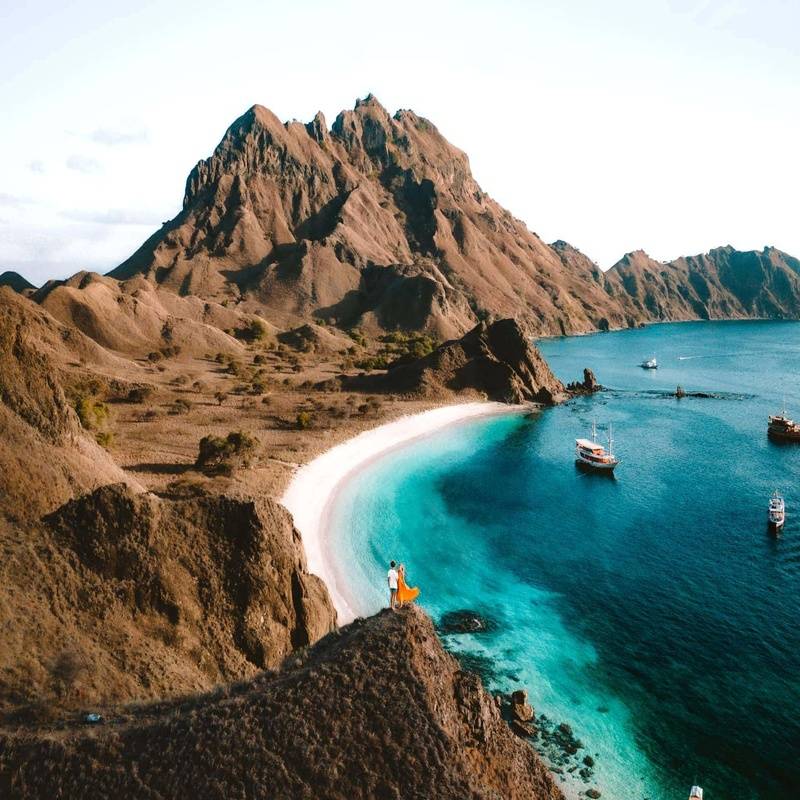
Exactly How to Get to Komodo Island
Flights to Labuan Bajo (LBJ)
Bali to LBJ is typically about 75–90 minutes. Jakarta is longer, of course, and morning flights are gold if you’re anxious to get on the water the next day. If you’re thinking of flying in and boating the same morning—possible but risky if there’s any delay. Consider arriving the afternoon before, exhale, and enjoy sunset over the harbor.
From LBJ Airport to Harbor
The airport is close to town—handy, but mornings can still be busy. Pre-book your transfer or use a reliable taxi. If your boat departs early, keep it simple: minimal checked luggage and everything important (IDs, meds, camera, charging cables) in your carry-on.
Komodo Island Fees and Permits: What to Budget
Fees can vary by weekday/weekend and by activity (sightseeing vs diving/snorkeling). Bring cash in small denominations; ATMs exist in Labuan Bajo but may run low on weekends or holidays. Expect add-ons for ranger-led treks, certain islands, and potential camera/drone permits. If you’re joining a tour, ask what’s included and what’s paid on arrival, per person, per day.
Prefer exact numbers and a running tally? See our live, calculator-style fee breakdown here: Komodo Island fees and permits 2025. It’s updated regularly and includes sample budgets for weekday vs weekend, sightseeing vs diving.
Choosing Your Boat: Speedboat Day Trip vs Liveaboard
Speedboat Day Trips
Best for tight schedules and “taste of everything” routes: Padar, Pink Beach, a dragon trek, and a snorkel stop like Manta Point or Taka Makassar. The trade-off is a fuller day with transit between hotspots. Great if you’re short on time or want to keep a hotel base in town.
Liveaboards (Traditional Phinisi or Modern Boats)
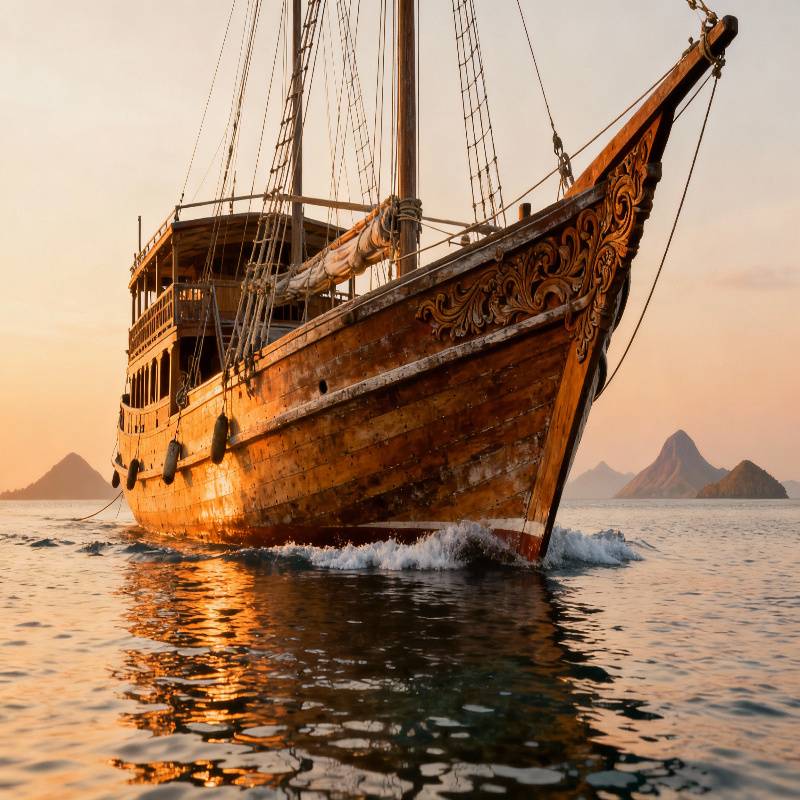
Multi-day trips (commonly 3D2N or 4D3N) let you catch sunrise and sunset at Padar, anchor near quiet reefs, and spread out the tempo. Cabins vary—from cozy fan rooms to en-suite AC. The best perk: flexibility to zig when others zag, which often means gentler crowds.
Safety You Can Actually Check
- Life jackets for everyone, easily accessible.
- Oxygen kit and first-aid on board.
- Two-way radios, and ideally AIS or reliable comms.
- Briefing on currents, entries/exits for snorkelers, and a clear buddy system.
- Transparent crew-to-guest ratio and insurance info on request.
Not sure which way to go? This deep dive compares comfort, cost, and safety gear with sample itineraries: Komodo boats: speedboat vs liveaboard.
Komodo Island Itineraries You Can Copy
One Perfect Day (Speedboat)
Early departure. Padar viewpoint first (cooler temps, cleaner photos), then Pink Beach while it’s quiet. Midday: Manta Point or Taka Makassar drift/snorkel. Afternoon: dragon trek on Rinca or Komodo (timing depends on tides, ranger availability, and heat). Keep a Plan B site handy if currents pick up—your captain will advise.
3 Days, 2 Nights (Balanced Liveaboard)
- Day 1: Padar at golden hour, a snorkel in a protected bay, stargazing at anchor.
- Day 2: Manta loop (conditions permitting), Siaba for gentle turtle encounters, Pink Beach for color and soft sand time.
- Day 3: Dragon trek then a final snorkel stop near a calm reef en route back.
4 Days, 3 Nights (Dive-Leaning or Slow Travel)
Divers can target signature sites (conditions and certifications matter), while non-divers pair with easy, shallow reefs and sandbars. The extra day lets you swap in protected bays if wind or visibility shifts. That breathing room is often the difference between “we saw it” and “we soaked it in.”
Want seasonal versions with time stamps and crowd-avoidance routes? See: Komodo Island itineraries by season.
Komodo vs Rinca vs Padar: What Changes On the Ground
Komodo Island (Dragons + Wild Feel)
Wide, rugged trails and that “edge of the map” feeling. Sightings fluctuate with season and heat. Rangers lead all treks; listen closely, especially if visiting in the hotter hours. Carry water, a hat, and realistic expectations: wildlife does its own thing.
Rinca Island (Often Reliable Sightings)
Smaller footprint and a reputation for consistent dragon encounters. Good choice if you’re determined to see these giants without stretching your schedule. Trails can feel hotter than they look—start earlier if possible.
Padar Island (The Postcard View)
Switchback steps to the top, with panoramas that reward the sweat. Sunrise is classic; sunset is quieter and often just as beautiful. Footing can be slick after rain. Light shoes with grip make a surprising difference.
Signature Highlights: Pink Beach, Manta Point, Siaba (Turtle Bay)
Pink Beach
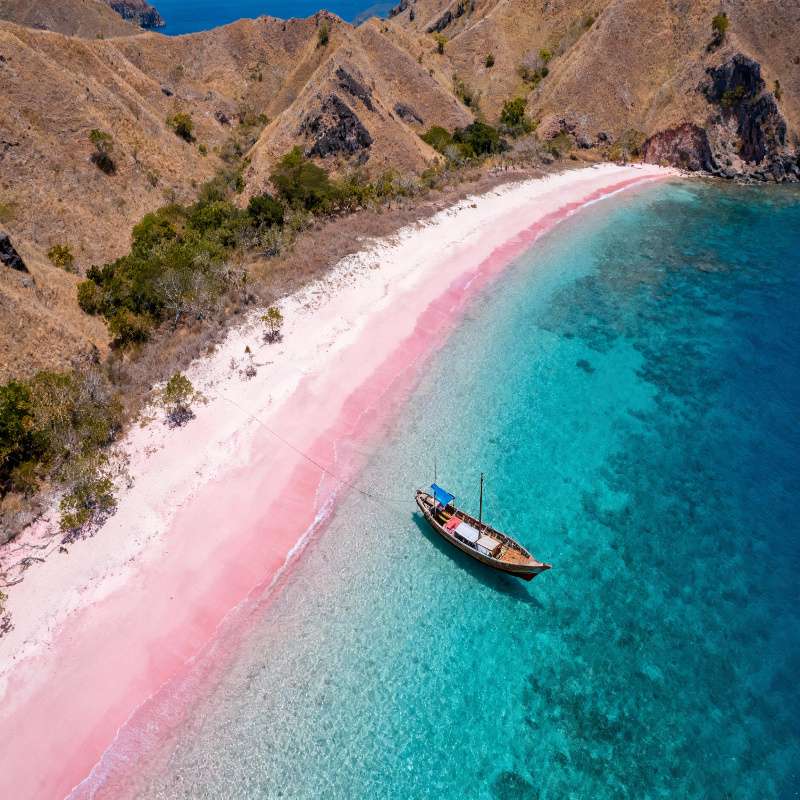
The color varies day to day with light and wave action—sometimes blush, sometimes a vivid rose. Please don’t take sand or broken coral; the pink hue comes from tiny organisms that are, well, part of a fragile system. If a beach looks less pink than the photos you’ve seen, try another cove or different time of day.
Manta Point and Taka Makassar
On the right day, you’ll float in clear water while mantas wheel past like slow, friendly spaceships. Give them space; don’t chase. If currents feel sporty, let the crew set a drift plan with a clear pickup signal.
Siaba (Turtle Bay) and Easy Reefs
Gentle entries, sandy patches, and reliable turtle sightings make this ideal for newer snorkelers. If you’re a non-swimmer, mention it early—life jacket floats, tow assistance, or watching from the boat are all valid, enjoyable options.
What to Pack (and What to Skip)
- Reef-safe sunscreen, hat, and light long sleeves for sun.
- Dry bag, microfiber towel, and a second set of swimwear.
- Deck shoes or sandals with grip for wet wood; trainers for Padar.
- Motion sickness plan: meds, ginger candies, or acupressure bands.
- Earplugs (generator hum) and a compact power strip if you carry gear.
- Cash in small bills for fees and tips; a backup card in town.
Cameras and drones: sea spray is real—use a rain cover or dry bag. Drone rules and permits can change; if you’re not applying for a permit, you can still get “drone-like” angles by walking slightly off the main Padar ridge and framing with the side valleys.
Safety, Health, and Insurance
On boats, ask to see life jackets, the oxygen kit, and radios. Listen to briefs about currents and pickup points; nodding along isn’t enough—repeat the plan back if unsure. If a site feels beyond your comfort, speak up. Crews want you safe and happy.
Divers: log your last dive, stay conservative on profiles, and keep a no-fly window after your final dive (24 hours is a simple rule of thumb). On land, the heat sneaks up fast—carry electrolytes, rest in shade when needed, and keep treks short in midday.

Responsible Travel in Komodo National Park
- Keep distance from dragons; follow ranger instructions without debate.
- No touching, feeding, or flashing wildlife (including the bats at Kalong).
- Use moorings where provided; avoid trampling coral, even by accident.
- Choose operators who show safety and environmental standards clearly.
- Skip “guaranteed” whale-shark feeding experiences marketed outside the park; it encourages harmful practices.
Labuan Bajo Mini‑Guide
The harbor town has leveled up—more cafes, rooftop views, and an easy-going promenade vibe. It’s a sensible place to decompress before or after the boat. If flights are early or if you’re diving, add a final night ashore; removing clock pressure often makes the whole trip feel better.
Logistics tip: confirm your pickup point and time the night before. If your boat is join‑in, be early. If it’s private, let the crew know your must‑see priorities and any comfort concerns (sun shade, ladder confidence, swim comfort) so they can tailor the day.
FAQs
What’s the best time to visit Komodo Island?
April–November is the safer bet for weather and visibility. Shoulder months balance calm seas with fewer boats. Wet season has moody beauty and lighter crowds—but plan for flexibility.
Can I do Komodo Island in one day?
Yes, by speedboat. You’ll likely snag Padar, a pink beach, a snorkel, and a dragon trek in a single, full day. If mantas top the wish list, add a buffer day.
Is Komodo Island okay for non‑swimmers or families?
Yes, with adjustments. Pick gentle reefs (Siaba/Kanawa‑style), use life jackets, and consider an overnight boat for a slower cadence. For Padar, start early and carry extra water.
How far in advance should I book?
For peak months and liveaboards, 6–12 weeks is comfortable; earlier if you want specific cabins. Day boats can be closer to travel dates but do sell out on holidays.
How much should I budget for fees?
It depends on weekday/weekend and activities. Check the updated breakdown and quick calculator here: Komodo Island fees and permits 2025.
Related Planning Guides
If you’re still deciding between a fast day or a slow sail, this comparison will help: Speedboat vs liveaboard in Komodo. If you want copy‑and‑paste daily plans tuned for seasons and crowds, go here: Komodo itineraries by season. And if numbers matter (they always do), keep this open in a new tab: Komodo Island fees and permits.