
So… what is Texas known for?
Short answer: big skies, bigger portions, and an even bigger sense of identity. Longer answer: a tapestry of cultures and regions — Hill Country wineries and swimming holes, the mission trails in San Antonio, NASA’s command center in Houston, art towns out in the desert, and yes, that smoky barbecue that feels like a rite of passage. If you’re planning a deep dive, you might enjoy our guide to the best BBQ in Texas woven into the food sections below, and our things to do in Austin guide inside the city spotlight.
The Lone Star Legacy: History and Pride
Texas was a republic before it was a state, and that independent streak shows up everywhere — in the flag, in the stories, even in the way people line up at a dance hall on Friday night. The six flags that have flown over Texas (Spain, France, Mexico, the Republic of Texas, the Confederacy, and the United States) left layers of architecture, language, food, and tradition.
The Alamo and the Texas Revolution
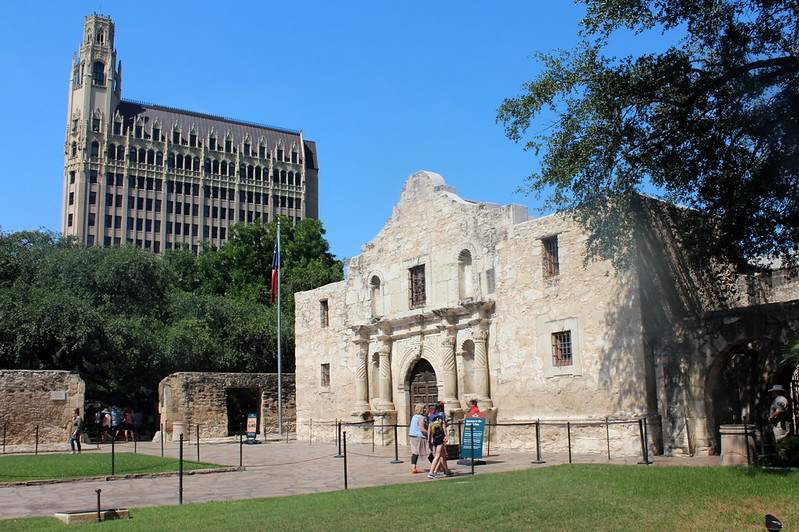
The Alamo is a touchstone not just for history buffs but for anyone curious about resilience. It’s also a place to slow down, read the plaques, and wrestle — a little — with myth versus memory. When you head that way, plan time for the UNESCO-listed mission trail nearby; our San Antonio travel guide walks through the missions, River Walk, and easy day plans.
Why Texas pride runs deep
Some of it is size, some of it is story, and a lot of it is community. Towns can feel like extended families. Is that always true? Maybe not. But it’s true enough that you notice.
What Is Texas Known For? Iconic Foods and Culinary Traditions
If food is your compass, Texas is a very good map. Think wood-smoked brisket, crispy-edged tacos, kolaches in the morning, and Blue Bell for dessert. It’s okay to plan a whole trip around eating — many do.
Texas BBQ: smoke, patience, and ritual
Central Texas is brisket country; it’s simple, salt-and-pepper, and smoked low over oak. East Texas leans tender and sauced. South Texas brings barbacoa and sweet notes, while West Texas shows its “cowboy style” over mesquite. Want specifics and where to line up (and when)? See our deep dive: the best BBQ in Texas by region.
Tex-Mex (born here, beloved everywhere)
Tex-Mex isn’t “less authentic” — it’s its own authentic. Queso, fajitas, nachos, and breakfast tacos are comfort food with roots. The Austin-versus-San-Antonio breakfast taco debate can be… spirited. Our Texas food guide lays out signature dishes and where to try them.
Comfort classics and immigrant influences
Chicken-fried steak with peppery gravy. Czech kolaches stuffed with fruit or sausage. German sausages in Hill Country towns. Dr Pepper, born in Waco. It’s a big table — everyone brings something.
Wine, beer, and craft spirits
Hill Country wineries around Fredericksburg keep getting better; so do the small breweries and distilleries. It’s not Napa, and that’s the point — different grapes, different stories, different hills. If you’re building an itinerary out there, the Texas Hill Country travel guide has winery loops and swimming holes in one place.
Cowboy Culture and the Living West
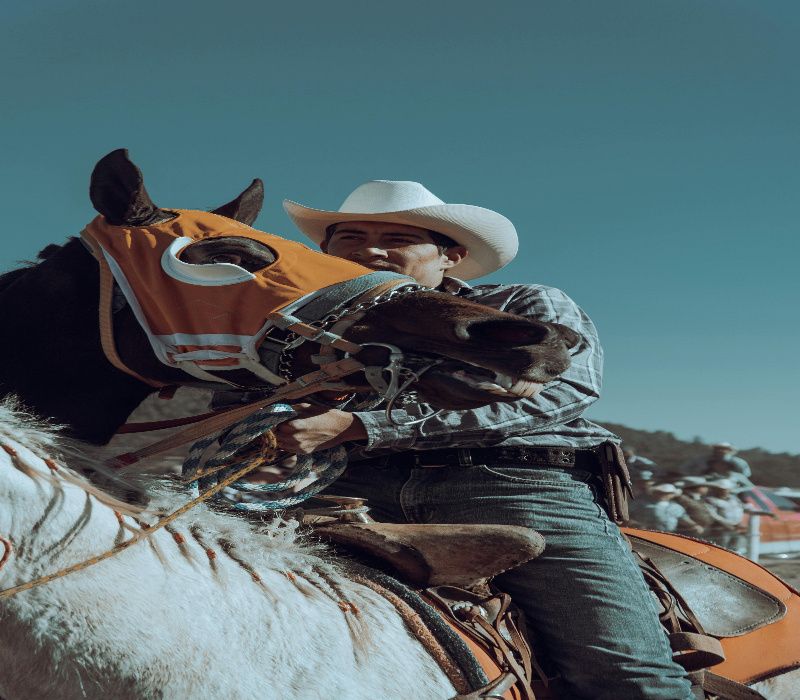
Rodeos aren’t re-enactments; they’re calendars. Boots are tools first, fashion second. You can still spend a few days on a working ranch and come home pleasantly tired, a little dusty, and oddly proud of a decent fence line.
Rodeos and stock shows
The Houston Livestock Show and Rodeo is a pilgrimage for many; Fort Worth keeps the heritage front and center with daily cattle drives at the Stockyards. Dallas brings the State Fair pageantry. It’s all loud and alive.
Ranch life today
The cattle industry remains enormous, but it’s modern too — genetics, grazing science, and land stewardship. If you want the hands-on version, look for guest ranches that still work cattle, not just pose for photos.
Cities That Define What Texas Is Known For
Each major city is its own chapter. It’s easy to have a favorite and still admit the others are doing great things too — a very Texas kind of contradiction.
Austin: music, tech, and green spaces
Live music on weeknights, Lady Bird Lake on weekends, and a food truck list that grows faster than any diet can handle. When you’re ready to zoom in, here’s our complete Austin city guide with venues, bat bridge tips, and day trips.
Houston: Space City and global cuisine
NASA’s Johnson Space Center is the headline, but Houston’s culinary diversity is what lingers — Vietnamese crawfish, West African stews, Tex-Mex classics, and fine dining that doesn’t brag about itself. Museums, neighborhoods, and bayous give the city texture.
San Antonio: missions and the river
The River Walk feels festive even on a Tuesday, the Alamo is reflective if you let it be, and the mission trail ties the past to the present. Our San Antonio travel guide bundles routes, parking notes, and where to eat between sites.
Dallas–Fort Worth: modern meets western
Dallas shows off museums and a skyline that winks at sunset; Fort Worth leans into cowboy heritage with grit and grace. Together they make a weekend that swings easily from opera to rodeo. Start here: Dallas–Fort Worth travel guide.
El Paso and the borderlands
El Paso pairs desert light with border culture — cozy cafés, striking murals, and a mountain range in town. It’s further than you think, and maybe exactly far enough.
Nature and Parks: Deserts, Canyons, Coast
Texas is a geography lesson in fast-forward: piney woods in the east, prairies and plains, Hill Country limestone, Chihuahuan Desert in the west, and a long Gulf shoreline. You can hike a canyon and swim in a spring-fed pool in the same week.
Big Bend National Park
Remote, vast, and strangely intimate — the Rio Grande carves canyons you can hear before you see. Nights are dark enough to remember every constellation you forgot. For multi-park planning, bookmark our Texas national and state parks guide.
Guadalupe Mountains and West Texas
Texas’s highest peak, fossil reef geology, and trails that reward early mornings. It’s not crowded; let’s keep that balance if we can.
Palo Duro Canyon
The country’s second-largest canyon has that surprise factor: you drive across flatlands, then the earth opens like a secret. Sunsets here make patient photographers look brilliant.
Hill Country springs and wildflowers
Hamilton Pool, Blue Hole, Krause Springs — natural swimming holes that feel like summer camp for grown-ups. In spring, bluebonnets and Indian paintbrush light up the roads; our Hill Country guide pairs bloom timing with scenic drives and winery stops.
Gulf Coast beaches
South Padre Island for soft sand, Galveston for a classic boardwalk feel, and Port Aransas for a slower rhythm. The coast is warmer, windier, and wonderfully casual.
Sports Culture: Friday Nights and Big Sundays
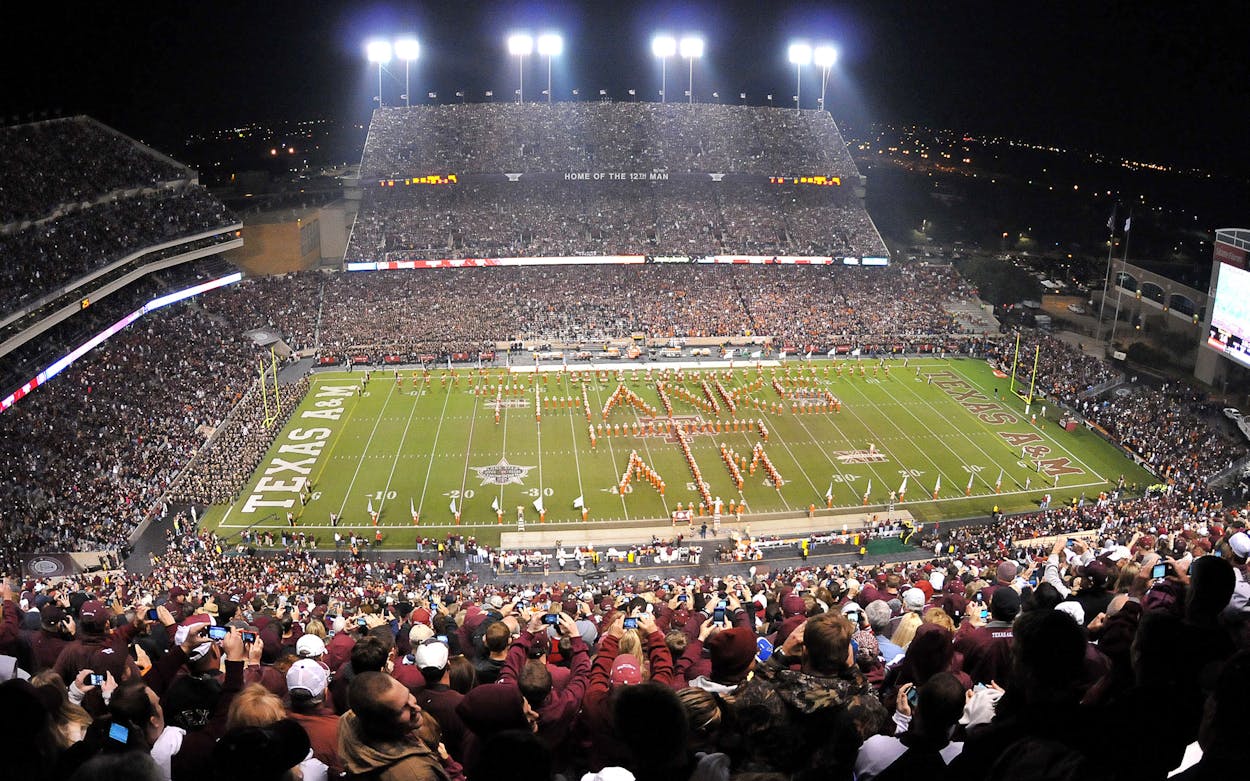
High school football has its own gravity here — community, ritual, a soundtrack of marching bands. College rivalries are loud; pro teams are a weekly rhythm from August through June thanks to football, basketball, baseball, and hockey.
Music: From Dance Halls to Festivals
Austin’s “Live Music Capital” promise holds up most nights. Country and Texas country share space with blues, Tejano, hip-hop, and indie. Classic dance halls like Gruene still feel unforced — two-steps fit all ages and most moods.
Economy and Industry: Energy, Tech, Space
Texas is a study in momentum — oil and gas heritage, a growing wind and solar footprint, and tech corridors pulling talent south and west. NASA’s legacy runs through Houston, while private space ventures on the coast point (literally) upward.
Pragmatic note: no state income tax helps with relocations, but cost of living varies widely by city and neighborhood.
Weird and Wonderful: The Little Things People Love
Marfa lights blinking on desert nights. The bat colony under Austin’s Congress Avenue Bridge pouring out at dusk like a ribbon. A Prada store in the middle of nowhere. And diners that pour coffee like they’ve known you for years — even if you walked in five minutes ago.
Planning Your Texas Trip
Best time to visit (it depends)
Spring brings wildflowers and mild weather; fall is festival season with friendlier temps. Summer is hot — doable with early mornings, siestas, and swimming holes — while winter swings from crisp to pleasantly warm down south. If you’re weighing trade-offs by region, here’s a handy primer: best time to visit Texas.
Understanding Texas distances
It’s big. Like, “El Paso is closer to San Diego than Houston” big. Build itineraries around regions, not the whole state. Our Texas road trip itineraries group routes by time and interest so you’re not living in the car.
Sample itineraries
Three days in San Antonio and Hill Country. A week from Austin to West Texas (wineries, art towns, Big Bend). A family loop from Houston to the coast and back. Mix and match, and don’t be afraid to leave white space for detours.
FAQs
What is Texas most famous for?
Barbecue, Tex-Mex, cowboy culture, the Alamo, Big Bend, live music, wide-open roads, and a deep sense of state pride.
Is Texas good for wine trips?
Yes — especially Fredericksburg and the Hill Country. It’s also great for pairing with swimming holes and small-town cafés. See our Hill Country travel guide for routes.
Which city should I visit first?
First-timers often start with Austin (music, food, outdoors) or San Antonio (history, River Walk). Food-lovers and families thrive in Houston; culture splitters enjoy Dallas–Fort Worth. Browse: Houston guide and Dallas–Fort Worth guide.