
The Iowa State Fair is one of those places that’s easy to underestimate until you’re actually there—walking past livestock barns, following the smell of something fried, and realizing you’ve been smiling for no specific reason for ten minutes straight. It’s huge, it’s loud in places, it’s weirdly wholesome, and it’s also one of the clearest answers to a question travelers keep asking: what is Iowa known for?
This guide is built for real planning. Not perfection—because fairs don’t really do perfection—but a solid, practical game plan: when to go, what to prioritize, how to pace yourself, and how to experience the classic Iowa State Fair moments without ending the day sunburned, broke, and mildly overwhelmed.
If you haven’t read the broader overview yet, start with the article on what is Iowa known for and then come back here when you’re ready to go deep on the fair.
Why the Iowa State Fair matters (and why it’s not just for locals)
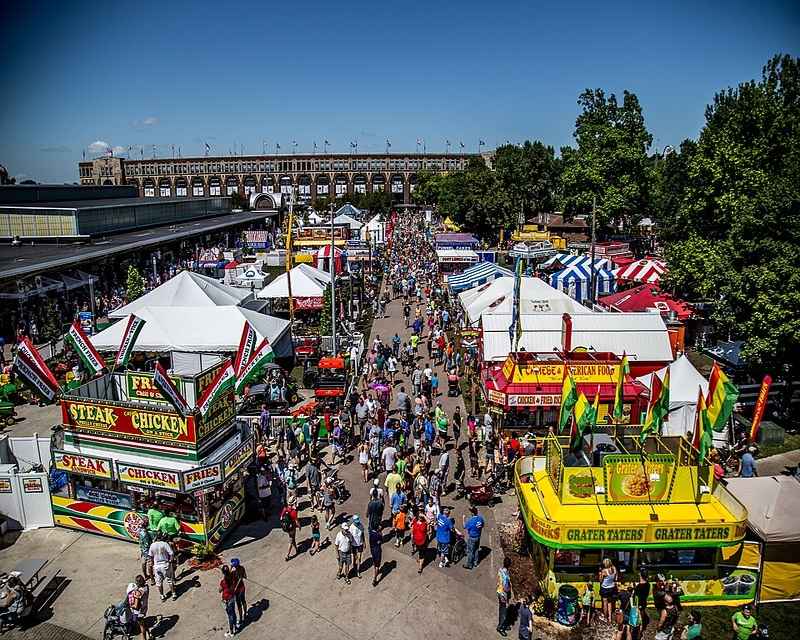
The Iowa State Fair is often described as the single largest event in Iowa, and it’s easy to see why once you step inside the gates. It’s an agriculture showcase, a food festival, a concert venue, a craft show, and a community reunion layered on top of each other. Some parts feel like a traditional state fair from decades ago; other parts feel almost like a modern street festival—just with more tractors.
It also happens to be one of the best “Iowa in one day” experiences available. You’ll see how strongly the state still identifies with farming and livestock, but you’ll also see how creative and contemporary it can be—especially in the food stands, youth competitions, and live entertainment.
If you’re curious about other “big Iowa” events that create the same kind of statewide energy a RAGBRAI cycling guide across Iowa
pairs nicely with this one. Different vibe, same community spirit.
Dates, location, and the basic logistics
The 2026 Iowa State Fair runs from August 13 to August 23, 2026. That’s an 11-day stretch, and it matters because crowds, ticket deals, and the overall feel can shift depending on whether you go on a weekday or weekend. (Weekends are exciting, but they’re also… a lot.)
The fair is held at the Iowa State Fairgrounds in Des Moines. If you’re planning navigation, rideshares, or meet-up points, having the official address on hand is genuinely helpful: 3000 E Grand Ave, Des Moines, IA 50317.
Tickets, costs, and how to spend less (without feeling deprived)
Ticket strategy is one of those unglamorous topics that makes the whole day better. The Iowa State Fair sells advance admission tickets at a discount, and then prices typically jump once the fair begins. If you’re traveling with kids, or just planning multiple days, those differences add up faster than you’d think.
A realistic budgeting note: the fair can be as cheap or as expensive as you make it. You can absolutely go and spend mainly on admission and one “signature food” item, or you can treat it like a full-day amusement park plus concert plus shopping. Neither is wrong. It just helps to decide early which kind of day you’re having.
Small money-saving habits that don’t ruin the fun
- Buy admission in advance when possible.
- Go early in the day, eat a real meal first, then snack at the fair instead of buying three full meals.
- Split novelty foods (fair portions are often shareable without trying).
- Pick one paid “extra” (rides, games, grandstand show) rather than impulse-paying for everything.
When to go: weekday vs weekend (and morning vs night)
If you can go on a weekday morning, do it. It’s cooler, calmer, and easier to actually see exhibits without shoulder-to-shoulder crowds. The fair has a different personality early in the day—more agriculture, more families, more “let’s look at everything.”
Nights can be incredible, though. The lights come on, concerts ramp up, and the whole place feels more like a festival. But it’s also when lines get longer and the grounds get busier. If you want a balanced experience, a simple approach is to do one weekday morning/afternoon and one weekend evening. It gives you two completely different versions of the same fair.
If you want to time your day around specific shows or competitions, the official daily listings are here It sounds obvious, but checking the schedule before you arrive can prevent that deflating moment when you realize the thing you came for happened yesterday.
The Butter Cow: what it is, where to see it, and why people care
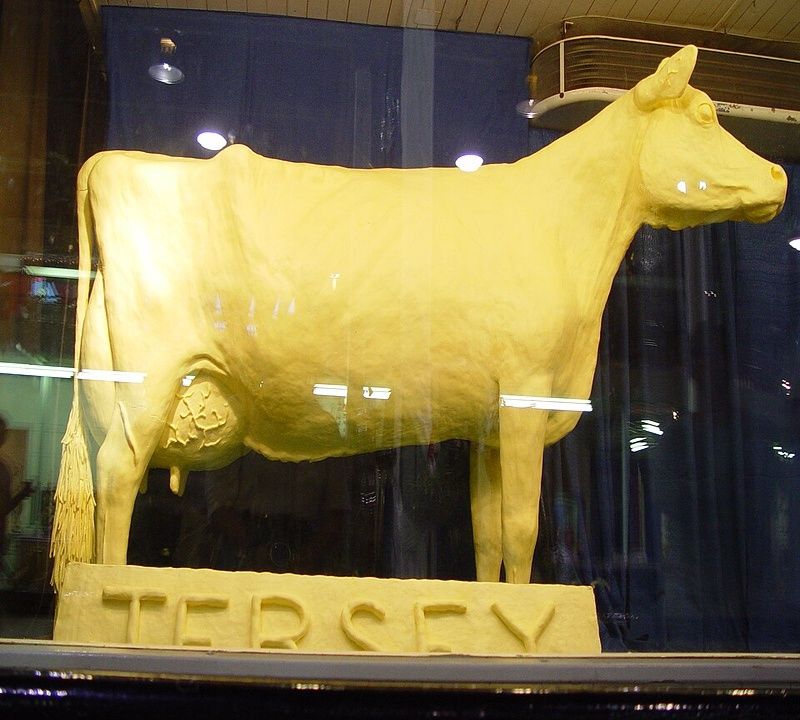
The Butter Cow is the fair’s iconic centerpiece: a life-size cow sculpted from butter and displayed in a chilled case. If it sounds like a gimmick, that’s fair. But it’s also tradition, and it’s surprisingly impressive in person—especially when you think about the skill and patience required to carve details in a cold room while crowds press up to the glass.
According to the Iowa State Fair’s official history, the first butter cow was sculpted in 1911, and the tradition has remained a symbol of the fair ever since.A practical tip that sounds silly until you use it: go see the Butter Cow early. The line and the crowd around the display can get intense later in the day, and early visits feel more relaxed—more “let’s look closely” and less “shuffle forward and escape.”
Food strategy: how to eat well at the Iowa State Fair
Fair food is part performance, part comfort, part dare. Some people arrive with a strict list of must-eats. Others just follow their noses. Honestly, both approaches work. The trick is pacing—because fair food is fun until it becomes a burden.
A small confession: it’s easy to overdo the novelty foods. If you want your day to stay enjoyable, mix in something that feels like actual lunch—then do your “over-the-top” items as snacks. That one adjustment can keep you from crashing mid-afternoon.
Classic Iowa answers to “what should I eat?”
- Pork tenderloin sandwiches (a genuine Iowa staple).
- Sweet corn in season (simple, buttery, and worth it).
- Corn dogs and other classics if you want the nostalgic fair feel.
- One “wild card” item you’ll only eat at a fair.
If food is your main reason for going, it’s worth pairing this guide with the broader context on what is Iowa known for, since the fair’s menu is basically Iowa’s agricultural identity translated into snacks.And when it’s live on your site, you can also link out to what food Iowa is known for, from pork tenderloin to sweet corn for a fuller statewide food trail beyond the fairgrounds.
What to see besides food: exhibits, barns, and the “real Iowa” moments
The Iowa State Fair is not just a place to eat. The livestock barns and agricultural exhibits are, in a quiet way, the most “Iowa” parts of the experience. Even if you didn’t grow up around farms, it’s still interesting to see how much care goes into animal handling, grooming, and showing—and how seriously families take it.
Youth competitions are another highlight that tends to surprise first-timers. You’ll see kids and teens competing in practical skills, arts, and projects that range from traditional crafts to science and technology. It’s a reminder that Iowa’s future isn’t only agricultural; it’s also educational, entrepreneurial, and sometimes quietly ambitious.
If you’re the kind of traveler who likes to connect events to the bigger cultural story, the fair is a great “gateway” to other Iowa experiences. For example, you can combine a fair day with a bookish morning in Iowa City later in your trip, using an Iowa City and Iowa Writers’ Workshop City of Literature guide. It’s a different lens on Iowa, but it complements the fair more than you’d expect.
Getting around the fairgrounds (without feeling like you’re doing a marathon)
The fairgrounds are big enough that you can accidentally exhaust yourself just by wandering. A little structure helps—nothing rigid, just a loose plan that reduces backtracking. Think in zones: pick two “anchors” you want to see (like the livestock barns and the Butter Cow), then let food and entertainment fill the gaps between.
A simple, realistic one-day flow
- Arrive in the morning and do the barns or educational exhibits first (cooler temps, smaller crowds).
- Midday: one substantial meal (not five snacks pretending to be lunch).
- Afternoon: browse crafts, home exhibits, or pop into shaded buildings to cool down.
- Late afternoon: Butter Cow if you didn’t do it early.
- Evening: rides, music, grandstand show, or just a slow walk with one last treat.
If you’re bringing younger kids (or anyone who gets tired fast), schedule breaks on purpose. That might sound over-cautious, but it’s the difference between “we could stay another hour” and “we have to leave right now.” Benches in shaded buildings become a surprisingly valuable discovery.
Parking, shuttles, and staying nearby
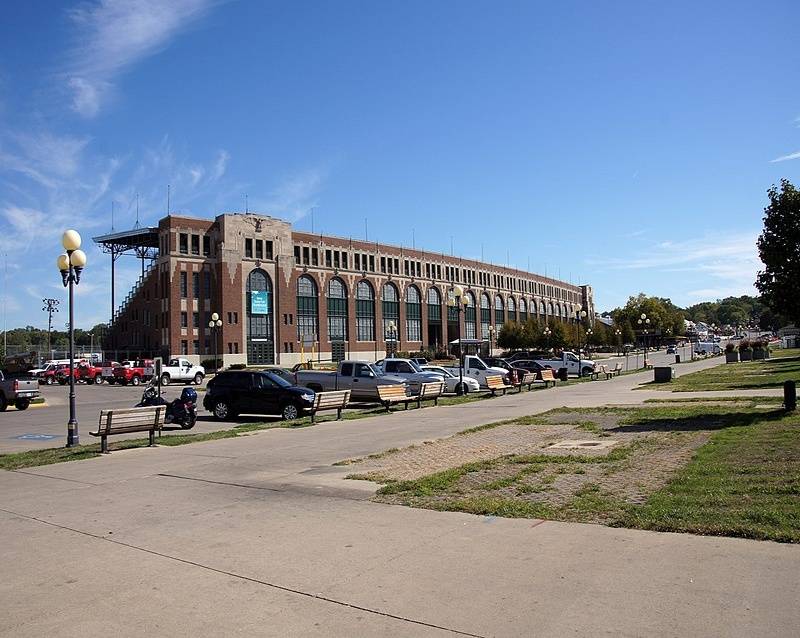
Parking is doable, but it can be stressful—especially on weekends. Some people swear by official lots; others prefer shuttles or ride-share drop-offs to avoid post-concert traffic. The best choice depends on your tolerance for waiting in lines at the end of the day (some people don’t mind; others really do).
If you’re visiting from out of town, book accommodations early. Des Moines fills up during fair time, and the closer you want to be to the fairgrounds, the earlier you’ll want to lock it in. If you’re planning multiple Iowa stops, it can also be smart to “base” in Des Moines for a couple of nights, then branch out.
That’s where a supporting piece like a Des Moines weekend itinerary and modern arts scene becomes useful. It helps you make the most of the city around the fair, instead of treating Des Moines like a place you only sleep in.
Accessibility, comfort, and a few honest “wish I’d known” notes
The fair can be physically demanding: heat, walking, crowds, and sensory overload in busy areas. If you’re traveling with someone who needs more breaks, prefers quieter spaces, or just doesn’t enjoy chaos, it’s still possible to have a great day—just build in escape hatches. Indoor exhibits, shaded buildings, and early arrival times are your friends.
Also, comfortable shoes matter more than you think they will. It’s the most boring advice, and it’s also the advice you’ll be grateful for. There’s a particular kind of fair fatigue that comes from walking on hard surfaces for hours while carrying drinks and bags, and it sneaks up on you.
How the fair fits into what Iowa is known for
The Iowa State Fair is a concentrated version of Iowa’s identity: agriculture and industry, family tradition, a sense of humor, and a willingness to celebrate small achievements loudly. It doesn’t try to be sleek. It tries to be memorable, welcoming, and—at its best—genuinely communal.
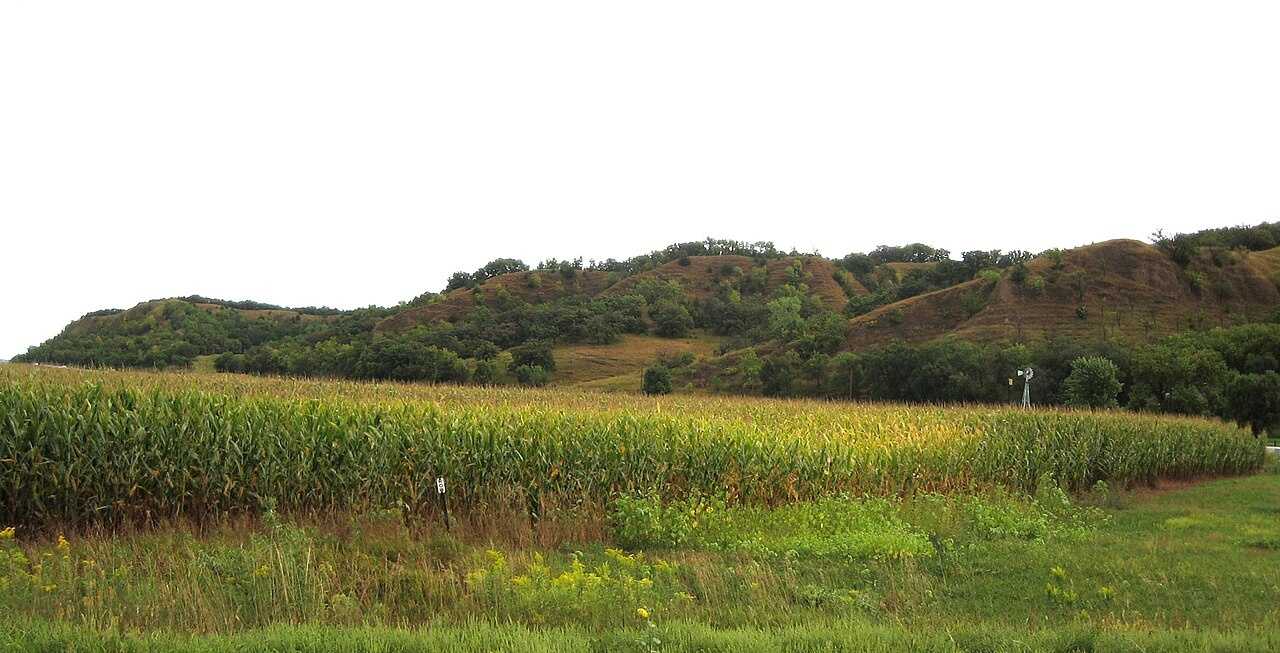
And if you’re mapping a bigger trip, the fair pairs well with nature and road-trip time. After a packed day at the fair, a drive through open countryside or a scenic region can feel like a reset. If you want that contrast, consider adding Loess Hills and Driftless Area: routes, overlooks, and short hikes to your plan for the days after the fair, when you might crave space and quiet.
FAQ: Iowa State Fair planning questions
Is the Iowa State Fair worth it if you only have one day?
Yes—one day is enough for a great first experience if you pick a few priorities and accept that you won’t see everything. The fair is big, and chasing “everything” tends to turn fun into stress.
What’s the single can’t-miss thing at the fair?
The Butter Cow is the classic answer because it’s iconic and genuinely unique. If you’re more interested in “real Iowa,” the livestock barns are just as memorable in a different way.
Should you bring kids?
The fair can be very family-friendly, but it’s easier with a plan: arrive early, pace food, take breaks, and choose a couple of kid-focused areas rather than roaming nonstop.
How can you avoid the biggest crowds?
Aim for weekday mornings, avoid weekend evenings if you can, and plan your Butter Cow visit early. Checking the in advance also helps you dodge bottlenecks caused by major shows or contests.
When you’re ready to zoom back out to the bigger picture, head back to the article on what is Iowa known for.It’ll help you connect the fair to Iowa’s landscapes, cities, history, and other “only in Iowa” experiences.