Why Timing Matters for Island Honeymoons
Perhaps you’re thinking, “It’s a tropical island—won’t it always be beautiful?” Not quite. Islands near the equator experience distinct wet and dry seasons. Caribbean destinations face hurricane threats June through November. The Maldives has a monsoon season that can bring daily downpours and choppy seas. Even paradise has its off days.
Weather Variations Impact Everything
Rainy season doesn’t just mean occasional showers. It can mean overcast days, humidity that makes you feel like you’re wearing the air, rough seas that cancel diving and snorkeling trips, and beaches too windy to enjoy. Conversely, dry season typically brings calm seas perfect for water activities, clear skies for those sunset photos, and weather comfortable enough to explore beyond your resort.
Peak Season vs Shoulder Season Pricing
Prices fluctuate wildly based on demand. Peak season rates can be 50-70% higher than shoulder or low season. A resort charging $600 per night in February might offer the same room for $350 in September. For honeymoons already stretching budgets, timing can mean the difference between affording a week or just four days.
For couples seeking maximum value, our guide to budget-friendly honeymoon islands pairs well with traveling during shoulder seasons for the ultimate savings.
Crowds and Romance
Some couples don’t mind bustling resorts and packed beaches. Others came for intimacy and seclusion. Peak season brings families on school holidays, spring breakers, and crowds that can diminish that romantic escape feeling. Shoulder season offers a sweet spot—decent weather with fewer people.
Special Considerations
Certain activities depend on specific seasons. Whale watching in Hawaii peaks January through March. Manta rays gather in the Maldives June through November. Cherry blossoms in Japan create magical April honeymoons. Understanding these nuances helps you plan around experiences that matter to you.
Understanding Weather Patterns
Caribbean Weather Cycles
The Caribbean experiences two main seasons. Dry season runs roughly November through April, bringing lower humidity, minimal rainfall, calm seas, and temperatures in the comfortable 78-88°F range. This is peak tourist season for good reason.
Wet season spans May through October, with the official hurricane season running June 1 through November 30. Peak hurricane risk occurs August through October, particularly mid-September. However, hurricanes don’t strike constantly—many wet season days feature brief afternoon showers followed by sunshine.
Indian Ocean Patterns
The Maldives and Seychelles have opposite patterns to the Caribbean. Their dry season peaks December through April, with January through March offering the best weather—minimal rain, calm seas, and excellent underwater visibility for diving and snorkeling.
The wet season runs May through October, with May and September being transitional months that can still offer decent conditions. June through August sees stronger winds and rougher seas, though this attracts surfers and divers hoping to spot large marine life like manta rays and whale sharks.
Southeast Asia Climate
Bali and Thailand follow different patterns. Bali’s dry season runs April through October, with May through September being ideal—sunshine, lower humidity, and comfortable temperatures averaging 26-29°C. The wet season spans November through March, though showers are often brief and afternoon-based.
Mediterranean Seasons
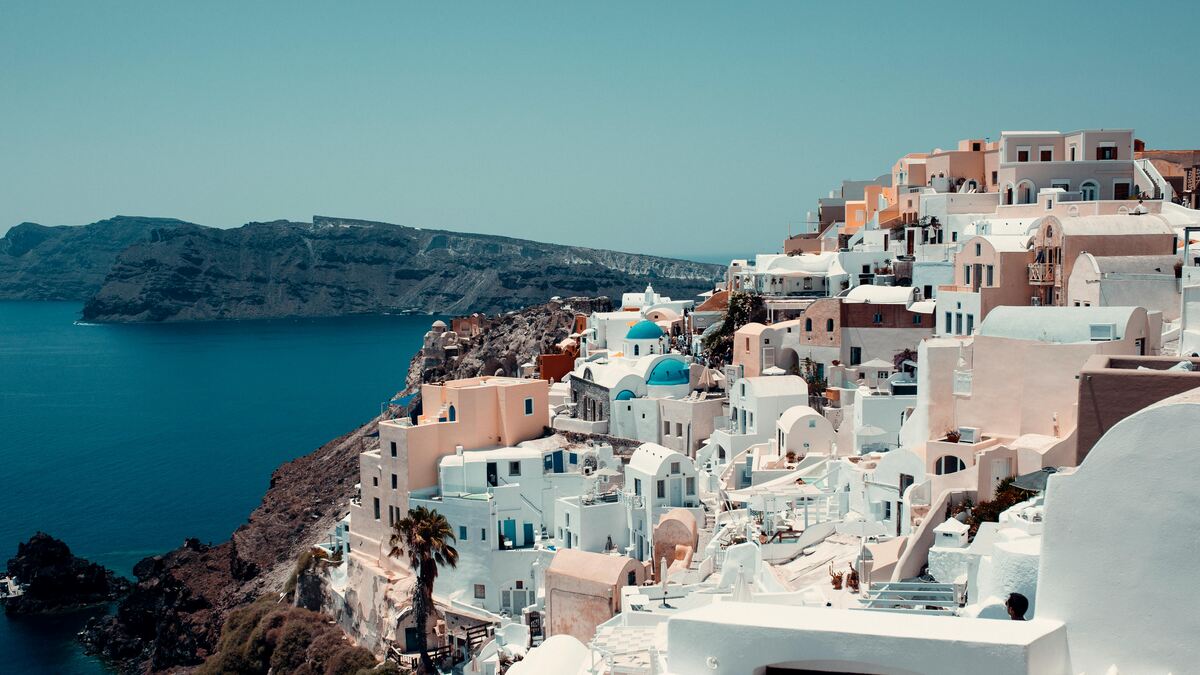
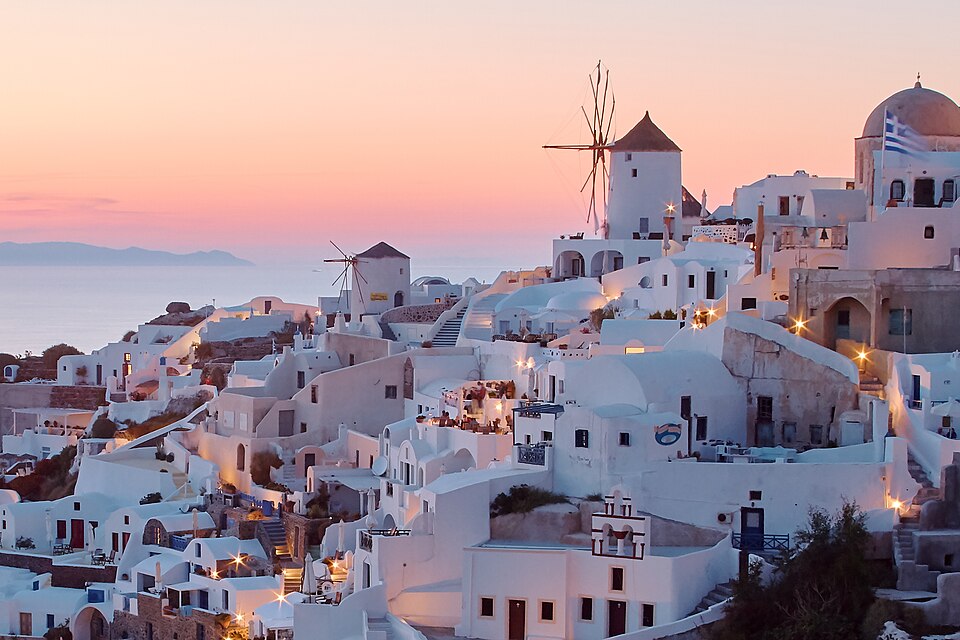
Santorini and Greek islands shine May through October, with shoulder months (May-June and September-October) offering the best balance of pleasant weather and manageable crowds. July and August bring intense heat, packed ferries, and significantly higher prices.
Month-by-Month Honeymoon Island Guide
January Honeymoons
Best Destinations: Maldives, Caribbean (all islands), Dubai, Seychelles, Mauritius
January marks peak season for tropical paradise destinations. The Maldives experiences some of its best weather—dry, sunny days with average temperatures around 29-31°C and calm seas perfect for water sports. This is arguably the best month to visit the Maldives if weather is your priority.
Caribbean islands enjoy their finest conditions in January. Temperatures hover comfortably in the high 70s to mid-80s°F, humidity is manageable, and rainfall is minimal. St. Lucia, Jamaica, Antigua, and the Dominican Republic all shine during this period.
Pros: Practically guaranteed excellent weather, calm seas for water activities, perfect beach conditions
Cons: Peak pricing (30-50% higher than other months), crowded resorts, advance booking essential
Budget Tip: Book 10-12 months ahead to secure early-bird rates. Consider late January rather than early month to avoid New Year’s premium pricing.
Weather Snapshot: The Maldives sees virtually no rain, with just 76mm average rainfall across the month. Caribbean destinations average 2-3 inches of rain total.
February Honeymoons
Best Destinations: Maldives, Caribbean, Seychelles, Thailand, Vietnam
February continues January’s excellent weather patterns across most tropical destinations. Perhaps the single best month weather-wise for the Maldives, with minimal rainfall, low humidity, and ideal diving visibility. The dry season remains in full swing throughout the Caribbean.
Thailand and Vietnam enter their prime season. Phu Quoc and Phuket enjoy dry, sunny days with comfortable temperatures. Bali is still technically in wet season, though rainfall decreases significantly toward month’s end.
Pros: Exceptional weather nearly everywhere, Valentine’s Day creates natural romance, still dry season across most destinations
Cons: Peak season pricing continues, February is shorter so plan accordingly, popular Valentine’s week books up quickly
Special Events: Valentine’s Day falls during peak season, making this an extremely popular honeymoon month. Many resorts offer special romantic packages.
Weather Snapshot: Maldives rainfall drops to around 50mm for the month. Caribbean islands average 1-2 inches. Thailand sees minimal precipitation.
March Honeymoons
Best Destinations: Maldives, Caribbean, Mauritius, Dubai, Egypt
March extends the peak season glory but hints at transitional weather toward month’s end. The Maldives remains excellent throughout March, with warm temperatures around 31°C and ideal conditions for diving and snorkeling. This marks the beginning of surf season in the Maldives.
Caribbean weather stays dependable through March, though temperatures inch upward and occasional brief showers may appear by month’s end. Bali’s wet season winds down, making late March increasingly pleasant.
Pros: Still prime weather for most destinations, spring break creates energy (or crowds, depending on perspective), prices may drop slightly late in month
Cons: Spring break crowds at Caribbean destinations mid-March, weather becoming slightly warmer and more humid, rainy season approaching for some islands
Budget Tip: Late March (after Easter/spring break) offers the best value while maintaining good weather.
Weather Snapshot: Maldives stays dry with around 76mm rain. Caribbean islands see increased afternoon showers. Bali improves significantly by month’s end.
April Honeymoons
Best Destinations: Bali, Maldives, Greece, Mauritius, Seychelles
April represents transition month for many destinations. The Maldives remains excellent through April, though this marks the end of peak dry season. Brief showers may appear but rarely disrupt activities significantly.
This is when Bali truly shines. The dry season arrives, dramatically reducing rainfall while temperatures stay pleasant around 29-30°C. April is genuinely one of the best months to visit Bali for honeymoon, offering great weather before peak summer crowds.
Greece and Santorini begin their season in April. Weather is lovely for sightseeing, though sea temperatures remain cool for swimming. Crowds are minimal and prices reasonable.
Pros: Shoulder season pricing at many destinations, Bali enters prime season, Greece awakens beautifully, fewer crowds at most islands
Cons: Caribbean begins rainy season approach, humidity increases at tropical destinations, Easter holidays can create brief price spikes
Special Note: Book around Easter carefully—this holiday shifts dates annually and creates mini-peak seasons.
Weather Snapshot: Bali sees rainfall drop dramatically. The Maldives stays mostly dry. Greece offers mild 18-22°C temperatures.
May Honeymoons
Best Destinations: Bali, Greece, Santorini, Croatia, Maldives (early May)
May delivers spectacular weather to Mediterranean and Southeast Asian destinations. Bali experiences one of its sunniest, driest periods with temperatures around 29°C and low humidity—truly one of the best months for honeymoons there. The sweet spot between good weather and reasonable prices makes May ideal.
Greece and Santorini hit their stride. Temperatures reach comfortable 20-25°C, seas warm enough for swimming, flowers bloom everywhere, and tourist infrastructure fully operates without summer’s overwhelming crowds.
The Caribbean enters wet season as of June 1, making late May the last chance for reliable dry weather there. The Maldives transitions into monsoon season, though early May can still offer decent conditions.
Pros: Perfect Mediterranean weather, Bali at its finest, shoulder season pricing in many locations, long daylight hours in Europe
Cons: Caribbean rainy season begins, Maldives monsoon starts, prices increase in Europe toward month’s end
Budget Tip: Early May offers the best value before summer pricing kicks in.
Weather Snapshot: Greece averages 20-25°C with minimal rain. Bali enjoys sunshine and temperatures around 29°C. Maldives becomes less predictable.
June Honeymoons
Best Destinations: Bali, Greece, Santorini, Hawaii, Fiji, Croatia
June marks official summer in the Northern Hemisphere. Bali’s dry season is in full swing with minimal rainfall and comfortable 27°C averages. Low humidity makes this particularly pleasant despite being peak travel time.
Greek islands reach their peak beauty in June—warm but not scorching, seas perfect for swimming, long sunny days, and everything fully operational. This might be the ideal month for Santorini before July-August crowds arrive.
Hawaii enjoys excellent weather year-round, but June offers particularly pleasant conditions without winter’s higher prices. Fiji enters its dry winter season with comfortable temperatures and lower rainfall.
The Caribbean officially enters hurricane season June 1, though actual storm risk remains relatively low in June. Expect afternoon showers and increased humidity.
Pros: Outstanding weather in Mediterranean and Southeast Asia, longer days maximize sightseeing, Hawaii and Pacific islands excel
Cons: Summer pricing begins, Caribbean hurricane season starts (though low risk early), Europe gets busy mid-month
Weather Snapshot: Santorini reaches 25-28°C. Bali stays dry at 27°C. Caribbean temperatures climb to mid-80s°F with increasing showers.
July Honeymoons
Best Destinations: Bali, Greece, Croatia, Fiji, Hawaii, Iceland
July represents peak summer season globally. Bali experiences one of its driest, least humid months with average temperatures of 27°C—perfect weather, though peak tourism means higher prices and more crowds. Book early for the best availability.
Greek islands are hot—often 28-32°C—but gorgeous. Santorini packs with tourists, ferries fill, and prices peak. If crowds don’t bother you, the weather is undeniably perfect for beach activities.
Fiji’s winter (dry season) delivers comfortable temperatures in the mid-70s°F with minimal rainfall. Hawaii maintains its consistent pleasant weather. Iceland offers midnight sun and the year’s warmest temperatures—unusual but magical for adventurous honeymooners.
Pros: Virtually guaranteed sunshine at most destinations, peak season energy, all facilities fully operational, long daylight hours
Cons: Highest prices of the year, maximum crowds, intense heat in Mediterranean (30°C+), Caribbean hurricane season intensifies
Budget Warning: July ranks as one of the most expensive months. Book 10-12 months ahead or consider alternatives.
Weather Snapshot: Greece often exceeds 30°C. Bali averages 27°C with minimal rain. Hurricane activity increases in the Caribbean.
August Honeymoons
Best Destinations: Bali, Santorini, Fiji, Maldives (for diving), Iceland
August equals July in terms of peak season intensity. Bali sees its absolute driest month with the least rainfall and fewest rainy days of the entire year, though temperatures cool slightly to around 26°C. The trade-off is maximum tourists and highest prices.
The Mediterranean remains hot and crowded. Greece and Santorini are packed but beautiful if you don’t mind company. Many Europeans vacation this month, so expect full resorts and restaurants.
Interestingly, the Maldives wet season paradoxically offers some advantages in August—though weather is less predictable, this is prime time for diving with manta rays and whale sharks in spots like Baa Atoll. Adventure-minded couples might prefer this over peak season.
The Caribbean reaches peak hurricane season—August sees the most named storms annual. While many days are perfectly fine, the risk is genuine and should factor into planning.
Pros: Guaranteed dry weather in Bali and Greece, unique wildlife encounters in Maldives, Fiji stays lovely
Cons: Peak pricing everywhere, maximum crowds, Caribbean hurricane risk high, intense Mediterranean heat
Hurricane Note: If booking Caribbean honeymoons, purchase comprehensive travel insurance with hurricane coverage.
Weather Snapshot: Bali’s driest month. Greece often hits 32°C+. The Caribbean sees highest tropical storm activity.
For couples planning around this complex month, understanding the best islands for honeymoon year-round can help you choose destinations less affected by seasonal extremes.
September Honeymoons
Best Destinations:  Bali, Greece, Maldives (for diving), Seychelles (transitional)
September represents transition month globally. Bali remains excellent with dry weather continuing, temperatures around 27°C, and a significant advantage—peak summer crowds disperse while weather stays beautiful. September might offer Bali’s best value-to-weather ratio.
Greece and Santorini cool slightly to more comfortable 25-28°C. Tourist numbers drop noticeably after mid-September as European schools resume. This creates the perfect shoulder season experience—lovely weather, fewer people, lower prices.
The Caribbean faces maximum hurricane risk in September, particularly mid-month. This is the most dangerous month statistically. However, resorts offer deep discounts (40-60% off) for brave souls willing to monitor forecasts.
The Maldives remains in monsoon season, though conditions vary. Divers appreciate this month for continued manta ray and whale shark sightings.
Pros: Excellent shoulder season weather in Bali and Greece, dramatically lower prices, smaller crowds, warm seas
Cons: Caribbean peak hurricane month (avoid unless risk-tolerant), Maldives monsoon continues, some Mediterranean facilities close late September
Best Value: September offers exceptional value in Bali and Greece for couples flexible with dates.
Weather Snapshot: Bali stays dry. Greece comfortable at 25-28°C. Caribbean sees most hurricanes. Maldives wet but calming.
October Honeymoons
Best Destinations: Bali, Maldives, Seychelles, Hawaii, Thailand (late October)
October marks the transition back to dry seasons for many destinations. Early October ranks as one of the best times to visit Bali—still dry season, prices dropping, fewer crowds, and temperatures around 29°C. This is honestly one of our favorite times to visit.
The Maldives begins transitioning back to dry season in October. While still officially wet season, rainfall decreases significantly and weather becomes more predictable, especially late in the month. Couples get better prices while conditions improve.
The Caribbean remains in hurricane season through October (officially ends November 30), though storm frequency drops from September’s peak. Late October sees improved conditions.
Greece starts cooling noticeably—comfortable for sightseeing but potentially chilly for beach time. Many island businesses close for winter after mid-October.
Pros: Outstanding value in Bali, Maldives weather improving, shoulder season advantages, hurricane risk declining
Cons: Still hurricane season in Caribbean, Greece cooling and closing, Maldives still transitional
Budget Sweet Spot: Early October offers excellent prices before dry season premium pricing kicks in November.
Weather Snapshot: Bali dry at 29°C. Maldives improving. Greece cooling to 20-23°C. Caribbean hurricane risk declining.
November Honeymoons
Best Destinations: Maldives, Caribbean, Dubai, Seychelles, Thailand
November marks the return of dry season for tropical paradises. The Maldives enters its peak weather period as monsoon season ends—November through April offers the island nation’s finest conditions. Early November still offers shoulder season pricing before peak December-January rates.
The Caribbean officially exits hurricane season November 30. By mid-November, weather improves dramatically with lower humidity and decreasing rainfall. Temperatures remain pleasant in the low 80s°F.
Thailand and Southeast Asian islands enter their prime season. Phuket, Koh Samui, and Koh Lipe enjoy dry, sunny days with comfortable temperatures.
Bali transitions into wet season, though November is relatively mild. Early November can still offer good conditions before heavy rains arrive December-January.
Pros: Dry season begins in Maldives and Caribbean, shoulder season pricing early in month, comfortable temperatures, fewer crowds
Cons: Thanksgiving week premium pricing, Bali enters wet season, Mediterranean too cold for beach honeymoons
Booking Strategy: Late November offers the sweet spot—dry season weather without December’s peak pricing.
Weather Snapshot: Maldives drying out. Caribbean improving rapidly. Thailand entering prime season. Bali getting wetter.
December Honeymoons
Best Destinations: Maldives, Caribbean, Seychelles, Dubai, Thailand, Mauritius
December brings peak season to tropical destinations. The Maldives delivers exceptional weather—sunny, dry, calm seas, and perfect diving visibility. Christmas and New Year’s at Maldivian resorts create magical experiences, though prices reflect the demand.
Caribbean islands enjoy their finest weather—low humidity, minimal rainfall, temperatures in the comfortable high 70s, and perfect beach conditions. This is why winter escapes to the Caribbean remain perennially popular.
Thailand’s islands peak in December. Phuket, Koh Samui, and Phu Quoc offer consistently excellent weather. Hawaii maintains its year-round pleasant climate.
Bali sees its wettest period. January is actually rainier, but December brings frequent afternoon thunderstorms and high humidity. Budget-conscious couples might still consider it for the significant savings.
Pros: Practically guaranteed excellent weather at tropical islands, festive atmosphere, escape cold northern winters
Cons: Absolute peak pricing (especially Christmas/New Year’s), maximum crowds, advance booking essential, some destinations charge holiday supplements
Budget Warning: December 20-January 5 sees the year’s highest prices—often 60-80% above low season rates. Early December offers better value.
Weather Snapshot: Maldives perfect at 29°C. Caribbean ideal at 78-82°F. Thailand sunny and comfortable. Bali wet with frequent storms.
Special Considerations by Destination Type
Caribbean Islands Timeline
Peak Season (December-April): Best weather, highest prices, most crowds. Book 10-12 months ahead for holiday periods.
Shoulder Season (May and November): Weather generally good, better value, fewer tourists. May sees occasional showers; November improves as month progresses.
Low Season (June-October): Hurricane season brings risk and deep discounts. August-September pose highest risk. Many couples successfully honeymoon during this period, but insurance and flexibility are essential.
Indian Ocean Islands Timeline
Peak Season (November-April): Dry season for Maldives and Seychelles. December-March offers optimal conditions. January-February are driest months.
Shoulder Season (October and late April): Transitional weather but good value. October sees monsoon ending; late April sees it beginning.
Low Season (May-September): Monsoon season with frequent rain, rough seas, and reduced visibility for diving. However, June-August offers unique marine life encounters for divers.
Southeast Asia Timeline
Peak Season (April-October): Bali’s dry season peaks May-September with minimal rain. July-August see highest crowds and prices.
Shoulder Season (March-April and October-November): Transitional months with decreasing or increasing rainfall but reasonable prices and weather.
Low Season (November-March): Wet season brings afternoon thunderstorms and high humidity. January is wettest. However, rain is often brief and mornings can be lovely.
Mediterranean Timeline
Peak Season (July-August): Hot, sunny, crowded, expensive. Santorini and Greek islands can exceed 32°C.
Shoulder Season (May-June and September-October): The sweet spot—pleasant weather (20-26°C), fewer crowds, reasonable prices. Arguably better than peak season.
Low Season (November-April): Too cold for beach honeymoons. Many hotels and restaurants close. Not recommended unless focusing on cultural sightseeing.
Planning Strategies for Different Wedding Dates
Winter Weddings (December-February)
Winter weddings align perfectly with tropical island peak seasons. Couples can flow directly from wedding into warm paradise escapes. The Maldives, Caribbean, and Seychelles all deliver exceptional weather. The trade-off is premium pricing, so budget accordingly—expect to pay 40-60% more than shoulder season.
Spring Weddings (March-May)
Spring weddings offer maximum flexibility. March honeymooners can still catch tropical destinations before rainy seasons begin. April-May couples should consider Bali, Greece, or Mediterranean islands entering their prime season. This timing often provides the best weather-to-price ratio.
Summer Weddings (June-August)
Summer weddings require strategic planning since tropical Caribbean and Indian Ocean destinations face monsoons or hurricanes. Focus on Bali, Greece, Croatia, Hawaii, or Pacific islands like Fiji. These destinations peak during Northern Hemisphere summer. Accept that peak pricing is unavoidable.
For adventurous couples seeking thrills, check our adventure honeymoon islands guide which includes destinations excellent during summer months.
Fall Weddings (September-November)
Fall weddings present interesting opportunities. September couples can still enjoy Bali or Greece at reduced prices as crowds thin. October marks transition months with improving weather in the Maldives and Caribbean. November couples hit the jackpot—dry season returns to tropical destinations with shoulder season pricing.
Balancing Weather, Budget, and Crowds
The impossible triangle of travel planning: great weather, low prices, and small crowds. You typically get to choose two of three:
Great Weather + Small Crowds = Higher Prices
Peak season pricing reflects demand for optimal conditions. If weather is non-negotiable and you prefer privacy, expect premium costs. Book early to secure better rates.
Great Weather + Low Prices = More Crowds
This combination barely exists except during brief shoulder season windows. September in Bali or Greece comes close—still good weather as peak season ends, with prices dropping and crowds thinning.
Small Crowds + Low Prices = Compromised Weather
Low season discounts are steep for a reason. You might encounter rain, humidity, rough seas, or storms. However, some couples successfully honeymoon during wet seasons by accepting afternoon showers and adjusting activities accordingly. Insurance becomes crucial.
The Shoulder Season Solution
Shoulder seasons—those transitional weeks between high and low seasons—offer the best compromise. Late November in the Maldives, May in Greece, September in Bali, or late October in the Caribbean provide good weather, reasonable prices, and manageable crowds. This is the sweet spot for value-conscious couples unwilling to sacrifice weather.
Weather Myths and Realities
Myth: Rainy Season Means Constant Rain
Reality: Rainy season typically brings brief afternoon thunderstorms followed by clearing skies. You might get rain daily, but often just 1-2 hours. Many couples successfully honeymoon during wet seasons by planning indoor activities or spa time for afternoons, then enjoying beautiful mornings and evenings.
Myth: Hurricane Season Equals Hurricanes
Reality: Hurricane season spans six months, but actual storms are infrequent. On average, the Caribbean sees 5-7 hurricanes annually across the entire region. Your specific island might not experience a storm for years. The risk is real but often overstated. Monitor forecasts and purchase insurance.
Myth: Peak Season Is Always Better
Reality: Peak season offers the most predictable weather but also maximum prices and crowds. Some couples find shoulder season more romantic despite occasionally less-than-perfect weather. The trade-offs depend on your priorities and flexibility.
Myth: You Can’t Honeymoon in Monsoon Season
Reality: Monsoon season in the Maldives or Bali doesn’t mean non-stop rain. You’ll likely experience daily showers, but also plenty of sunshine. The savings can be substantial—50% off or more. If you’re flexible and somewhat adventurous, low season can work beautifully.
Practical Planning Tips
Book Flights and Hotels Together
Sometimes package deals through travel agents or online booking platforms offer better overall value than booking separately. Compare options, particularly during peak seasons when prices fluctuate dramatically.
For hassle-free planning, all-inclusive honeymoon packages often include flights, accommodation, and activities with pricing that accounts for seasonal variations.
Purchase Comprehensive Travel Insurance
Insurance is essential, particularly if honeymooning during hurricane or monsoon seasons. Look for policies covering weather-related cancellations, trip interruptions, and extreme weather events. The peace of mind is worth the cost.
Build in Flexibility
If possible, maintain some flexibility in your travel dates. Being able to shift departure by a few days can mean catching better weather, avoiding storms, or securing better prices. This is easier if you can take a longer post-wedding break.
Monitor Long-Range Forecasts
Check long-range weather forecasts 2-3 weeks before departure. While not perfectly accurate, they provide useful insights about general patterns. If concerning weather appears, contact hotels about rescheduling or cancellation policies.
Have Backup Activities
Even during ideal weather months, occasional rain happens. Research indoor activities, cooking classes, spa treatments, or cultural experiences as weather backup plans. This prevents disappointment if a beach day gets rained out.
Climate Change Considerations
Weather patterns are shifting. Hurricane seasons may be intensifying. Monsoons arrive at slightly different times. What was predictable a decade ago might be changing. When planning honeymoons 6-12 months ahead, understand that historical patterns provide guidance but not guarantees. This reinforces the importance of travel insurance and flexibility.
Making Your Decision
Ultimately, the best time to visit honeymoon islands depends on your specific priorities, budget, and wedding timeline. Couples obsessed with perfect weather should focus on peak dry seasons and accept higher costs. Budget-conscious couples can save thousands by traveling shoulder or even low season, accepting some weather uncertainty.
Most importantly, don’t let imperfect weather ruin your honeymoon mindset. Rain occasionally falls even during dry season. Clouds sometimes obscure sunsets. What matters is celebrating your marriage, connecting with your partner, and creating memories together. The most romantic honeymoons often feature unexpected moments—dancing in warm tropical rain, cozying up indoors during a storm, or having a beach to yourselves because weather kept others away.
Weather is important, certainly. But it’s not everything. Choose destinations that excite you, travel during months that align with your schedule and budget, prepare appropriately, and then embrace whatever conditions you encounter. That flexibility and positive attitude often determine honeymoon success more than perfectly sunny skies.
Your honeymoon marks the beginning of your marriage—a time to practice compromise, flexibility, and finding joy in unexpected situations. If it rains on your parade, dance in the rain together. That’s what this whole marriage thing is about anyway.