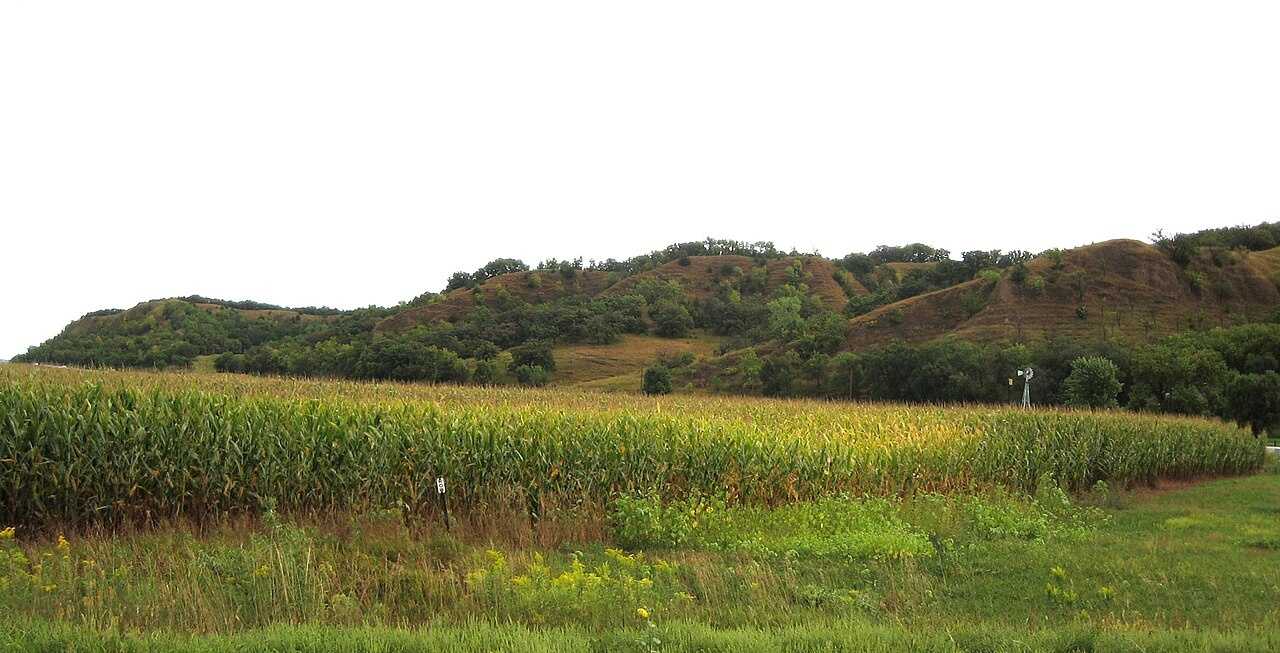
If you’ve ever heard someone describe Iowa as “flat,” this is the article I’d gently slide across the table. Because yes, Iowa has wide-open farmland. But it also has places that feel unexpectedly dramatic—ridgelines that drop away fast, bluff-top views over river valleys, and trails that make you pause (sometimes to admire the view, sometimes to catch your breath).
In a nutshell, the Loess Hills in western Iowa and the Driftless Area in the northeast are two of the best answers to the travel version of “what is Iowa known for?” They’re different landscapes with different personalities, and that contrast is part of the fun. This guide gives you simple, realistic routes, a handful of overlooks, and short hikes that fit into normal trip timelines—weekends, long drives, or a few days tacked onto a bigger Midwest itinerary.
If you want the broader context first, start with the article on what is Iowa known for. Then come back here when you’re ready to plan the outdoors part.
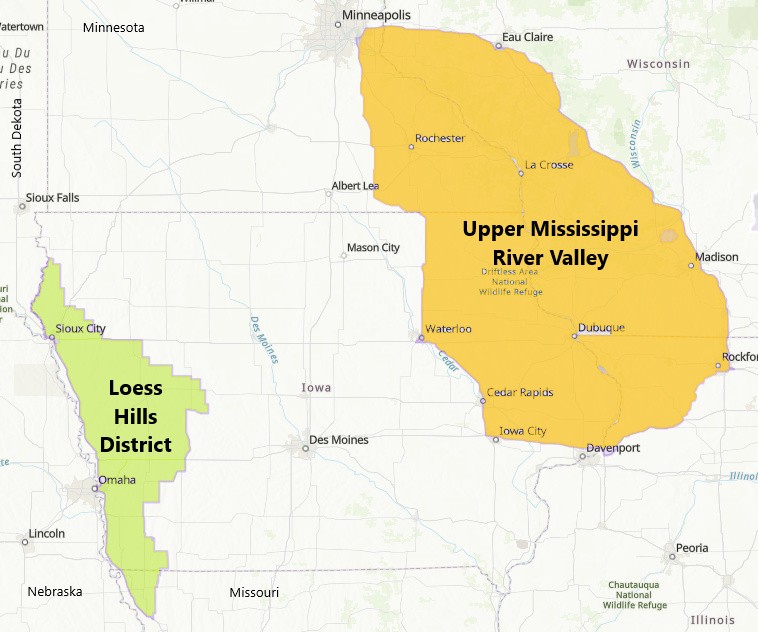
Loess Hills vs Driftless Area: what’s the difference?
The Loess Hills and the Driftless Area are often mentioned together, but they aren’t the same thing. The Loess Hills sit along western Iowa near the Missouri River and are built from loess—wind-blown silt that formed steep, narrow ridges and sharply cut valleys. The Driftless Area sits in the northeast near the Mississippi River, and it’s known for rugged terrain that largely escaped glaciation, leaving bluffs, deep river valleys, and a landscape that feels more carved and layered.
Practically speaking, here’s how the experience tends to differ. The Loess Hills are about ridges and big-sky views, with trails that can be steeper and looser underfoot. The Driftless Area is more woodland-and-bluff, with river scenery, historic towns, and hikes that feel like you’re wandering into a hidden pocket of the Midwest.
Quick planning notes (so the trip stays fun)
These regions reward a little planning, but not the stressful kind. The main things to think about are: driving time between areas, trail conditions after rain, and season. Late spring through fall is the easiest window for most travelers, though winter can be beautiful if you’re prepared and comfortable with icy trails.
One small “wish I’d known” detail: loess soil can be surprisingly slick and crumbly after rain, and some ridge trails feel steeper than their mileage suggests. Good shoes matter. If you’re traveling with kids or anyone who prefers gentle terrain, choose shorter loops and prioritize overlooks you can reach without committing to a long climb.
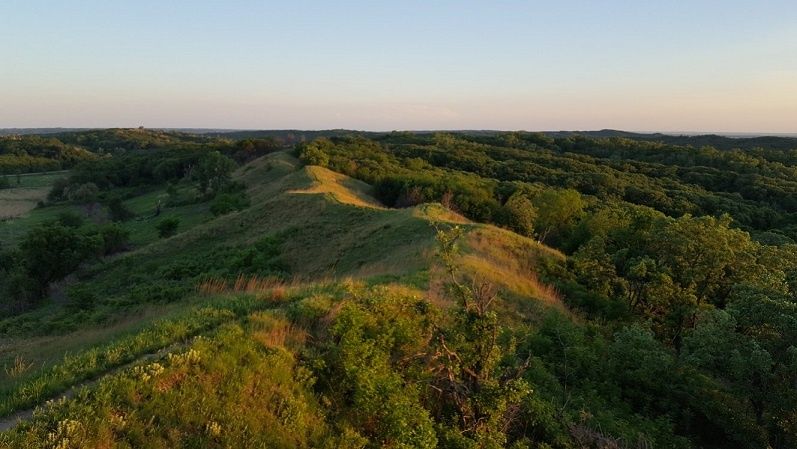
The Loess Hills: where to go first
The Loess Hills are one of those landscapes that don’t photograph quite the way they feel. You notice them through motion: driving up and down ridge roads, watching the horizon open and close, and stepping onto a trail that climbs faster than you expected.
Loess Hills State Forest (a strong “base” for hiking)
If you want one anchor destination, Loess Hills State Forest is a practical starting point. Iowa DNR notes that the forest has more than 60 miles of trails spread across multiple units, and it specifically calls out the steep inclines and loose dirt you should be prepared for. The DNR page is also useful because it references a visitors center near Pisgah and highlights backpacking options connected to Preparation Canyon State Park.
Official details and planning notes are here: Loess Hills State Forest. For a more park-focused overview (including the state’s hike-in campsites), this DNR page is helpful too: Preparation Canyon State Park.
A simple Loess Hills day route (scenic drive + short hike)
If you have one day and you want “Loess Hills in a concentrated dose,” aim for a scenic drive plus one ridge hike or overlook. The idea is to get at least one view where the land drops away into the Missouri River floodplain, and then do one short trail that gives you that narrow-ridge feeling the region is known for.
- Morning: Drive into the Loess Hills and stop at a scenic overlook or visitors center if it’s open.
- Midday: Do one short-to-moderate ridge hike (plan extra time for steep sections).
- Afternoon: Slow scenic drive along ridge roads; stop when a viewpoint catches your eye.
If your trip is summer-heavy and you’re building an “Iowa greatest hits” itinerary, this outdoors day pairs well with a high-energy day in Des Moines or at the fair. For a totally different side of the state, you can jump to this Iowa State Fair guide with food, Butter Cow, and planning tips and plan the contrast on purpose.
The Driftless Area: bluffs, river towns, and trails with a slower rhythm
Northeast Iowa’s Driftless Area feels different from the Loess Hills almost immediately. The terrain is still rugged, but it’s more wooded and water-shaped, with river valleys and bluffs that frame the Mississippi and its tributaries. The vibe is quieter, too—less “ridge drama,” more “keep turning corners and finding views.”
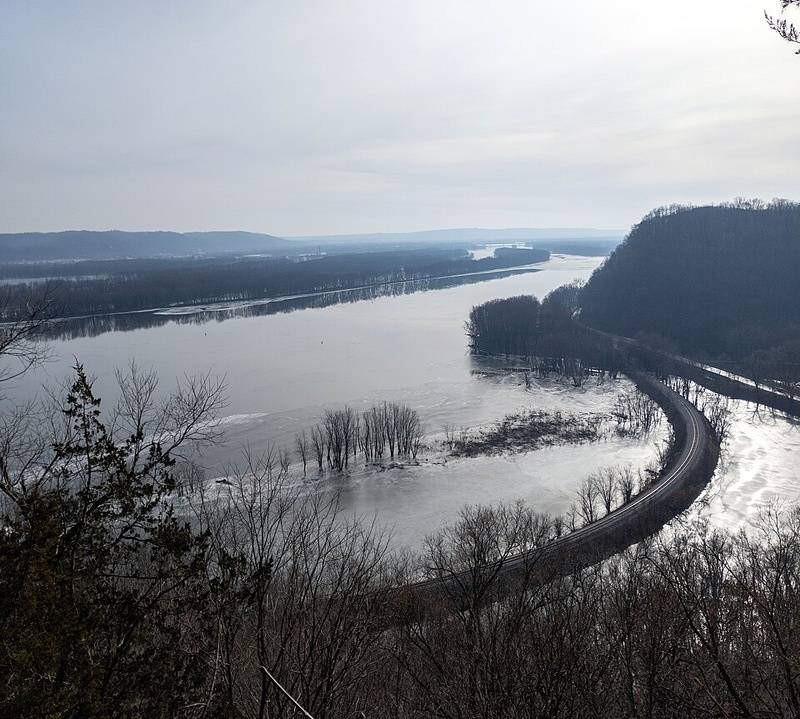
Effigy Mounds National Monument (a standout for views and meaning)
If you want a hike that combines scenery with cultural significance, Effigy Mounds National Monument is one of the best options in Iowa. The National Park Service notes that touring the monument involves anything from short walks on accessible trails to extended walks on steep hiking trails, and it also emphasizes the sacred nature of the site as an American Indian burial and ceremonial ground.
Official trail and visitor information is here: Things To Do – Effigy Mounds National Monument.
A respectful note that’s worth saying out loud: this is not just a pretty place. It’s a sacred landscape. Stay on trails, follow guidance, and treat the site with the kind of care you’d want visitors to show in a place that holds meaning for your own community.
A simple Driftless day route (views without rushing)
A Driftless day works best when it’s not overpacked. Pick one main hike, add one scenic drive segment, and give yourself time to stop in a small town for a meal. It’s the kind of place where “we’ll just grab coffee” can turn into an hour, and that’s not always a bad thing.
- Morning: Start with a bluff-area hike or overlook near the Mississippi.
- Midday: Lunch in a nearby river town; short walk along a riverfront or historic main street.
- Afternoon: Another short trail or scenic drive; end with golden-hour views if you can.
Two-day plan: one day Loess Hills, one day Driftless
If you have two full days, the best plan is simple: don’t try to merge these regions into one day. They’re on opposite sides of the state, and you’ll spend too much time driving if you force it. Instead, do one day fully in the Loess Hills and one day fully in the Driftless Area.
The rhythm I like (and I admit it’s slightly opinionated) is Loess Hills first, Driftless second. The Loess Hills feel more physically demanding for many people, so doing them first can make the Driftless day feel like a scenic reward. But if you’re coming from Illinois or Wisconsin, flipping the order might make more geographic sense.
Short hikes that still feel rewarding
Not every traveler wants a long hike, and that’s fine. Sometimes short hikes are the right choice, especially if you’re road-tripping, traveling with family, or just trying to keep the day flexible. In both regions, a short hike can still deliver the “wow” moment if you choose a route that climbs to a viewpoint rather than staying in lowland woods.
In the Loess Hills, prioritize ridge trails and overlooks. In the Driftless Area, prioritize bluff views near the Mississippi and trails that connect to scenic points rather than long out-and-back forest walks.
Safety and comfort (the unromantic details)
The biggest comfort risks in these regions are heat and footing. Summer can be humid, and steep trails plus loose soil can turn a short hike into a sweaty one. Bring water, start early on hot days, and don’t underestimate how quickly sun exposure adds up on open ridges.
A second detail: ticks can be an issue in tall grass and wooded edges during warm months, so use repellent and do a quick check at the end of the hike. It’s not the most exciting part of the trip, but it’s part of the real outdoors experience in the Midwest.
How to connect this trip to the rest of Iowa
The Loess Hills and Driftless Area are often the “surprise” highlights of a first Iowa visit. They also pair well with Iowa’s more famous attractions, especially if you’re trying to answer “what is Iowa known for?” through a trip rather than a list.
A few natural pairings:
- Outdoor days here + a city weekend using a Des Moines weekend itinerary and modern arts scene.
- Loess Hills hiking + a big, classic Iowa event using this Iowa State Fair guide with food, Butter Cow, and planning tips.
- Driftless scenery + a more reflective stop with an Iowa City and Iowa Writers’ Workshop City of Literature guide.
And if you’re building a bigger “Iowa identity” trip—outdoors plus community energy—you might also like a RAGBRAI cycling guide across Iowa as a summer add-on.
FAQ: Loess Hills and Driftless Area planning
Are the Loess Hills hard to hike?
They can be, especially after rain when loess soil gets slick, or on ridge trails where the climbs are short but steep. Choose shorter loops, start early, and treat the hills with a little respect—they’re not mountains, but they don’t need to be.
Is the Driftless Area worth it if I’m not a serious hiker?
Yes. You can focus on overlooks, short trails, and scenic drives near river towns. A single well-chosen hike at a place like Effigy Mounds can give you the “this doesn’t feel like the Iowa stereotype” moment without needing an all-day trek.
Can I do both regions in one day?
You can, but you probably shouldn’t. You’ll spend too much time driving, and these landscapes are best enjoyed slowly. If you only have one day, pick one region and do it well.
When you’re ready to zoom back out, head back to the pillar article on what is Iowa known for.
It will help you connect these landscapes to Iowa’s fairs, cities, food, and the other experiences that make the state feel more textured than people expect.