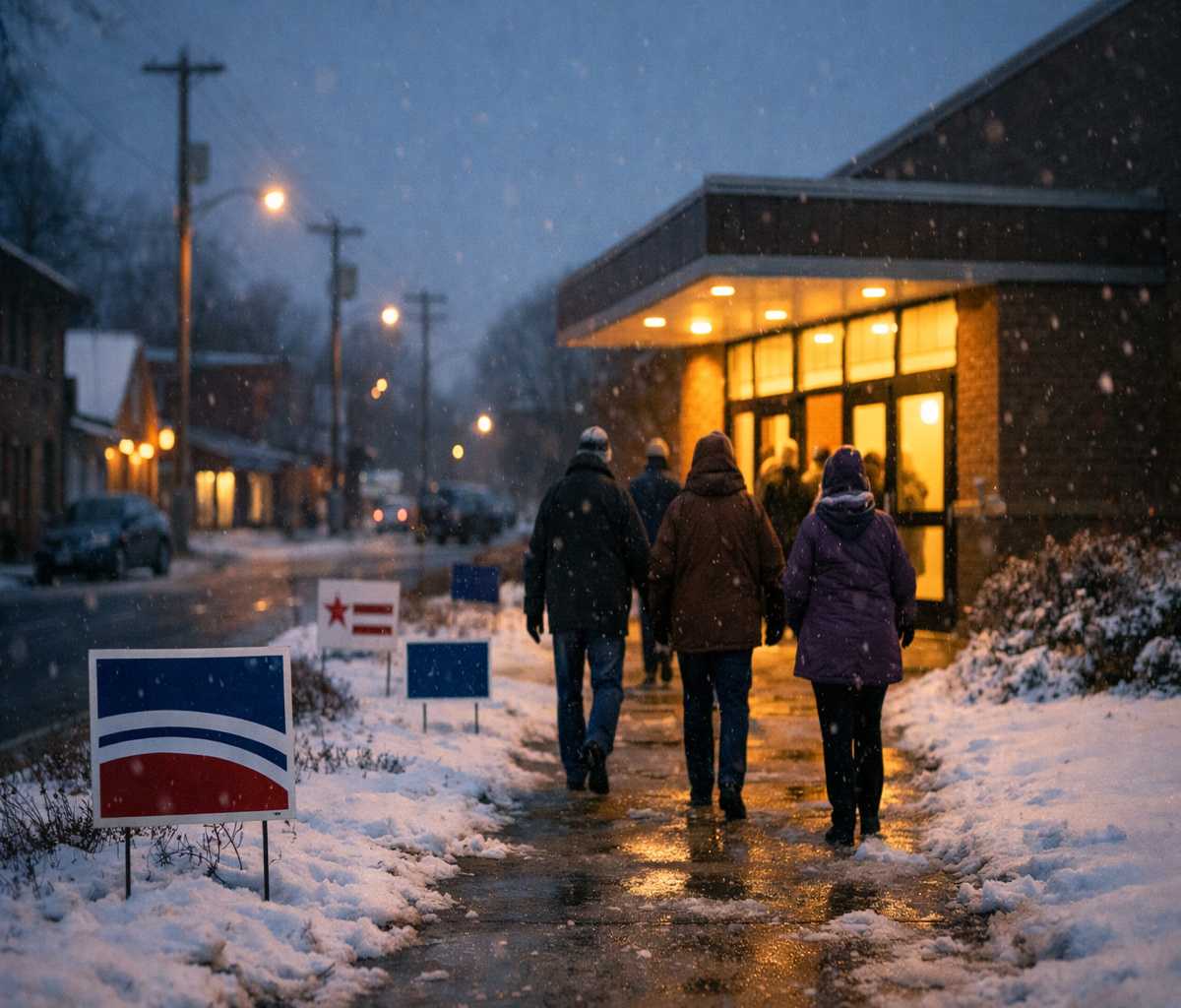
If you’ve ever watched presidential coverage and thought, “Why is everyone in Iowa again?” you’re not alone. The Iowa caucuses have a way of pulling the whole state onto the national stage—sometimes proudly, sometimes awkwardly, and usually in the middle of winter when travel plans feel a little more complicated than they need to be.
This is a practical guide to the caucuses, written with travelers in mind. We’ll cover what a caucus actually is, how the process differs from a primary, how it can differ by party, and what you should expect if you’re visiting Iowa during caucus season. I’ll be honest: it can be fascinating. It can also be tiring. Both experiences are real.
If you want the broader context first, start with the article on what is Iowa known for and then come back here when you’re ready to focus on the politics side.
What the Iowa caucuses are, in plain English
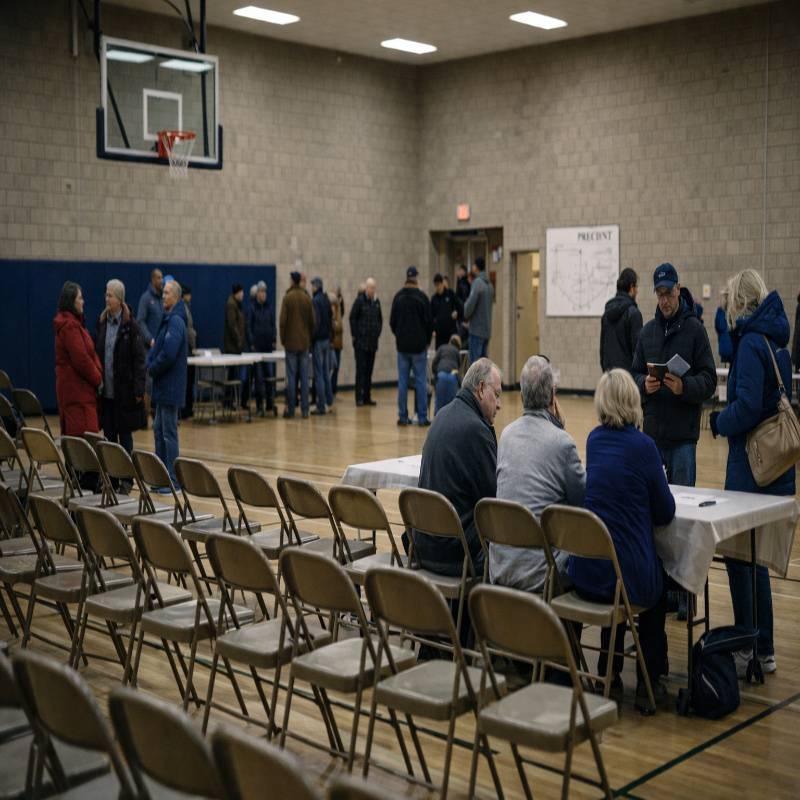
A caucus is a party-run meeting where people gather to do party business and participate in the nomination process. Unlike a standard election where you walk in, vote on a ballot, and walk out, caucuses are more like structured community meetings.
That meeting format is part of what makes the Iowa caucuses memorable—and also part of what makes them complicated. They require time, they require being in a specific place at a specific hour, and they require at least a little patience for procedure. The upside is that it can feel unusually human for politics: neighbors, not just ads.
Why Iowa goes first (and why it still matters)
Iowa’s early position in the presidential nomination calendar is why the caucuses draw national attention. Candidates spend months meeting voters in small towns, holding town halls, and doing what people often call “retail politics”—the up-close, handshake-heavy stuff that’s hard to replicate in larger states.
If you want a helpful overview of how the caucuses fit into the larger U.S. primary season—and why the first contest can shape momentum—this explainer is a solid starting point: How the Iowa caucuses work — and why they matter in 2024.
It’s not travel writing, exactly, but it does a good job of connecting the process to why the country pays attention.
Caucus vs primary: the difference that trips people up
A primary is typically a state-run election where you vote by ballot. A caucus is run by political parties and is structured as a meeting. That’s the short version, but it’s the key to why your caucus experience will likely feel more social and more procedural than what you’re used to.
If you’re traveling, this matters because caucuses happen at set times, in specific local locations, and can last a while. You don’t “pop in” casually the same way you might with an all-day polling window. You commit to it, at least for a chunk of an evening.
How the caucus process works (and how it can vary by party)
The phrase “the Iowa caucuses” makes it sound like one unified event. In reality, caucus rules and formats can differ by party and by year. That’s not a flaw; it’s just how party-run processes work. Still, it’s one reason visitors and even some residents end up confused.
A reliable way to ground yourself is to check the parties’ own guidance. Here are two pages that are useful precisely because they focus on what participants need to know: Caucus – Iowa Democratic Party and Caucus FAQ – – The Republican Party of Iowa.
Broadly speaking, Republican caucuses in Iowa have often functioned with a voting process that looks more like casting a ballot at a meeting, while Democratic caucuses have historically involved an in-person preference format that can include viability thresholds and realignment. That “people standing in groups” image you’ve seen on TV mainly comes from Democratic caucus nights.
If you like a data-and-process perspective, Pew has a clear overview that also notes an important practical reality: caucus participation can take more than an hour, and eligibility depends on party rules, though registration or affiliation changes are sometimes possible on caucus night: What to know about the Iowa caucuses.
A realistic “what happens in the room” timeline
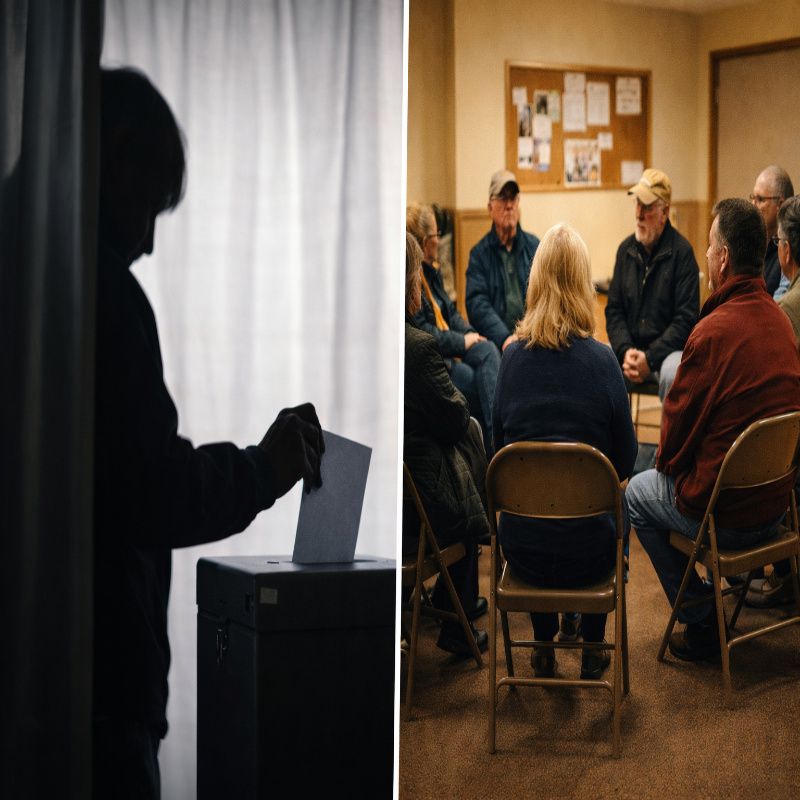
Details change, but a caucus night often feels like a structured community meeting with a clear start time and a series of steps. A simplified version looks like this:
- Arrival and check-in (and sometimes party registration or affiliation changes, depending on rules).
- Basic party business and introductions.
- Candidate speeches, short pitches, or discussion.
- A voting or preference process (party-specific).
- Tallying and reporting results, plus next steps such as delegate selection or later conventions.
If you’re expecting something like an election-night party, you might be surprised by how procedural parts of it can be. But if you’re interested in civic life as something people actually do together, the process can be oddly compelling.
What travelers should expect during caucus season
Visiting Iowa around caucus season is a bit like arriving in a town right before a big parade—except the parade is political, and the weather might be icy. You’ll see a lot of campaign signage, a lot of media presence, and a lot of conversations in ordinary places that suddenly feel important.
The practical side matters, too. Hotels can book up early. Restaurants get busy around event times. Rideshare availability can be spotty after major gatherings. If you like your trips smooth and low-stress, you’ll want to plan earlier than you usually would.
How to be respectful (and not accidentally make yourself the story)
- Don’t treat caucus sites like tourist attractions; they’re local political meetings.
- Ask before filming or photographing inside any venue.
- Be cautious about inserting yourself into conversations; listening is usually the better move.
- Expect emotions. Politics can be personal, especially when people feel nationally scrutinized.
One gentle suggestion: if you’re curious but not participating, consider focusing on public events like town halls rather than trying to “observe” a caucus meeting. Town halls are typically designed for broader audiences, and you’re less likely to be in anyone’s way.
Where to base yourself: Des Moines vs smaller towns
Des Moines is often the easiest home base for caucus-season travel. It has more hotel inventory, more dining options, and a larger city infrastructure that handles visitors better. It also gives you enough to do when events change last minute, which does happen.
If you want a non-political framework for your time in the city, this is where a supporting piece like a Des Moines weekend itinerary and modern arts scene is genuinely useful. It helps you build a trip that includes politics without letting politics swallow the whole trip.
Smaller towns can feel more intimate, and that’s where “retail politics” often looks most real. Candidates show up in community rooms, people ask direct questions, and the whole thing can feel almost disarmingly normal. But it also means visitors should be especially mindful—these are communities, not stages.
Balance the political energy with something quieter
If you’re traveling for the Iowa caucuses, I think it’s smart to plan one calm, non-campaign day on purpose. Not because politics is bad, but because constant political immersion can make you feel like you’ve visited a headline rather than a state.
Two natural “reset” options:
- Take a scenic drive or short hike using
Loess Hills and Driftless Area: routes, overlooks, and short hikes. - Switch to Iowa’s literary identity with
an Iowa City and Iowa Writers’ Workshop City of Literature guide.
If your trip is in summer rather than winter, you could also pivot entirely and build your Iowa visit around the fair instead. It’s a different kind of “Iowa on display,” and sometimes it’s a lot more fun: this Iowa State Fair guide with food, Butter Cow, and planning tips.

Common misconceptions (and what’s closer to the truth)
The caucuses are just a vote
Voting is part of it, but caucuses are meetings first. Party business, organizing, and delegate selection can be part of the night. It’s more participatory than a ballot-based primary, for better and for worse.
Caucus night “chooses the nominee”
Iowa is early, not final. The caucuses can shape narratives and momentum, but the nomination process continues through many more contests. Iowa’s influence is real, but it isn’t a finish line.
You can just show up and watch everything
Not always. Some parts may be open, but caucuses aren’t designed as performances. If you’re unsure, look for official guidance and stick to public campaign events where visitors are clearly welcome.
FAQ: Iowa caucuses explained for travelers
What happens at a caucus?
People gather at a set location and time, check in according to party rules, hear from candidates or representatives, and participate in a party-specific voting or preference process. It’s typically more time-consuming than a standard election-day vote.
Are the Iowa caucuses always first?
Iowa has a long tradition of going early, but national party calendars and rules can shift over time. If you’re traveling specifically for caucus season, it’s worth confirming the timing through official party announcements.
Is it worth visiting Iowa during caucus season?
If you enjoy civic life, don’t mind winter travel, and like the idea of seeing politics up close, it can be fascinating. If you’re looking for a lighter, more festival-like trip, you may prefer building your visit around other Iowa staples described in what is Iowa known for.
When you’re ready to zoom back out to the bigger picture, head back to the article on what is Iowa known for. It will help you connect the caucuses to Iowa’s landscapes, food, cities, and the other experiences travelers tend to remember long after the campaigns move on.